
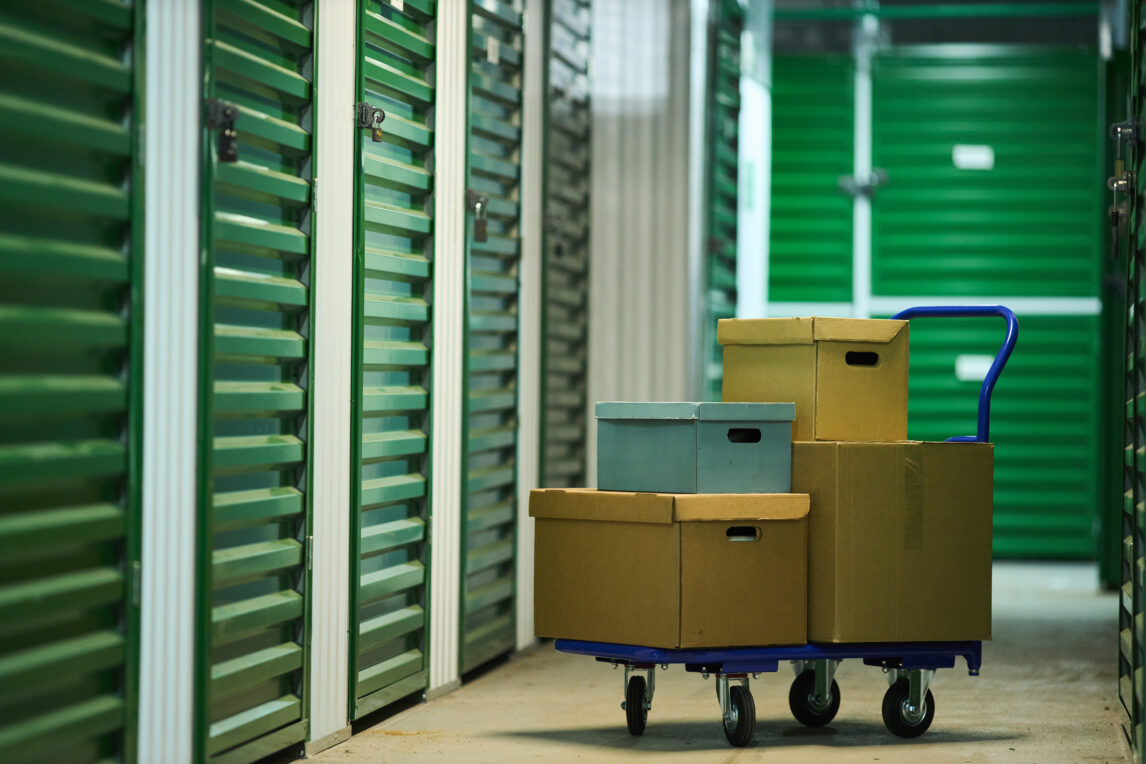
If you’ve rented a storage unit to hold overflow furniture, seasonal decorations, or boxes you haven’t unpacked since your last move, you might assume your belongings are automatically protected the same way they would be inside your house. It’s a reasonable assumption, but it’s not always accurate. Whether your homeowner’s insurance extends to a rented storage unit depends on several factors, and understanding them now can save you from a costly surprise later.
The Short Answer: It Depends on Your Policy
Most standard homeowner’s insurance policies do offer some coverage for personal property kept away from your primary residence, including items in a rented storage unit. This is often referred to as “off-premises coverage.” However, this protection typically comes with limitations that can catch policyholders off guard.
The most common restriction is a coverage cap. Many insurers limit off-premises coverage to a percentage of your total personal property coverage, often somewhere between 10% and 20%. So, if your policy covers $100,000 worth of personal belongings, only a fraction of that might apply to items stored outside your home. If the contents of your storage unit are worth more than that limit, you could be left covering the difference out of pocket after a loss.
What Types of Damage Are Typically Covered
When homeowner’s insurance does apply to a storage unit, it generally covers the same perils outlined in your home policy. This usually includes damage from fire, lightning, windstorms, and theft. Vandalism may also be included, depending on your specific policy language.
That said, coverage for water damage can be more complicated. Many policies exclude damage caused by flooding, and some storage facilities are more prone to water intrusion than others. Before assuming you’re protected, it’s worth reviewing exactly which perils your policy names and which ones it explicitly excludes.
Where Coverage Often Falls Short
There are a few common scenarios where homeowners find their coverage lacking. First, high-value items like jewelry, collectibles, artwork, or electronics may have sub-limits that cap how much the insurer will pay out for those specific categories, regardless of the overall off-premises limit. If you’re storing anything particularly valuable, it’s worth checking whether it needs to be scheduled separately on your policy.
Second, some storage facilities require renters to carry their own insurance as a condition of the lease. In these cases, the facility’s insurance program may become your primary source of protection, with your homeowner’s policy acting as secondary coverage, if it applies at all.
Third, general wear and tear, pest infestations, and mold are typically excluded from coverage no matter where your belongings are kept. If your storage unit isn’t climate-controlled, these risks may be more relevant than you’d expect.
Steps to Confirm Your Coverage
Rather than guessing how your policy handles a rented storage unit, take a few proactive steps. Start by contacting your insurance agent or company directly and asking specifically about off-premises or “property away from home” coverage. Ask about dollar limits, named perils, and any exclusions that might apply to stored items.
Next, take inventory of what’s actually in your unit. Photograph your belongings, estimate their value, and keep receipts or appraisals for anything significant. This documentation will be invaluable if you ever need to file a claim.
Finally, consider whether you need additional protection. If your policy’s off-premises limit doesn’t come close to covering what you’ve stored, you have a few options. You could purchase a rider or endorsement to increase coverage, buy a standalone storage insurance policy, or opt into insurance offered directly through the storage facility.
Making an Informed Decision
Storing your belongings outside your home shouldn’t mean gambling with their safety. While many homeowner’s policies provide a baseline of protection for a rented storage unit, the coverage limits and exclusions vary widely from one insurer to the next. Taking the time to review your policy details, document your stored items, and fill any coverage gaps ensures that if something goes wrong, you won’t be left absorbing the loss alone. A quick conversation with your insurance provider today could save you significant stress and expense down the road.