
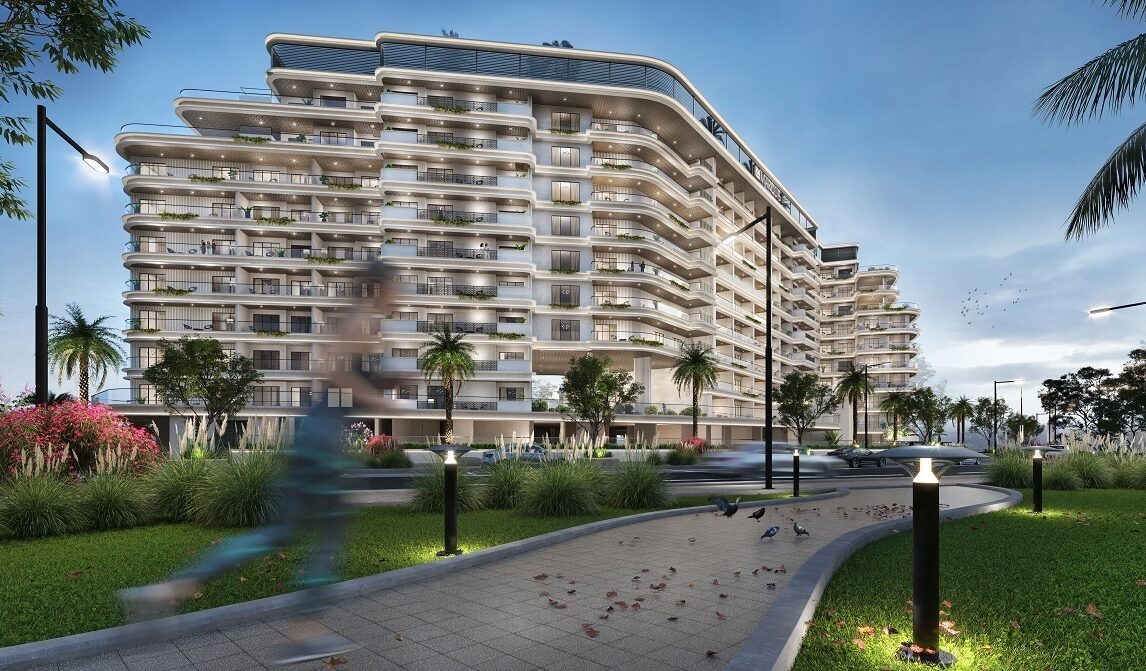
Property has long been one of Pakistan’s favorite investment choices, but the way people approach it is changing. The discussion around insignia properties reflects a shift toward more careful, informed decision-making rather than quick speculation.
Rising costs, tighter regulations, and economic uncertainty have made buyers more selective. People still trust real estate, but they now expect clarity, documentation, and real value before committing their money.
The Rise of Smarter Buying in insignia properties and Beyond
The idea of buying land based on a tip or rumor has not disappeared, but it carries less weight than it once did. Buyers are starting to ask practical questions about what they are getting and when they will actually see returns.
Projects linked to insignia properties often come up in this context because they are discussed in terms of planning and usability rather than just future promises. That difference matters in a market where delays and uncertainty are common.
From Speculation to Practical Investment
For years, many investors focused on buying plots in areas that might develop someday. Some made good profits, but many others ended up holding land for far longer than expected.
There is now stronger demand for properties that offer real utility. This includes apartments, commercial units, and houses in developed or near-developed areas.
Buyers are prioritizing:
- Access to roads, schools, and hospitals
- Reliable utilities such as electricity and water
- The ability to rent or use the property within a reasonable timeframe
This shift shows a more grounded approach to investment.
Why Documentation Is No Longer Optional
Government efforts to document the economy have made real estate transactions more transparent. The Federal Board of Revenue has introduced stricter reporting requirements, and banks are more involved in property transactions.
This has reduced the space for informal deals. Buyers are now more likely to verify ownership records, approvals, and tax status before making a purchase.
That is one reason platforms like insignia properties are part of current conversations. They are often associated with structured processes, which appeals to cautious investors.
Economic Pressures Shaping Property Decisions
Pakistan’s real estate market does not operate in isolation. Broader economic conditions play a major role in how people invest.
Inflation and Construction Costs
Pakistan has experienced significant inflation in recent years, with rates crossing 20 percent during peak periods. This has a direct impact on both buyers and developers.
Construction materials such as cement and steel have become more expensive, pushing property prices higher. At the same time, inflation encourages people to invest in assets that can hold value.
This creates a complex situation. Property remains attractive, but affordability becomes a challenge.
Currency Instability and Asset Protection
The depreciation of the Pakistani rupee has led many investors to view real estate as a store of value. Unlike cash, property is seen as something that can retain worth over time.
However, this perception can sometimes lead to rushed decisions. Not every property offers the same level of security, especially if legal or development risks are involved.
Taxation and Regulatory Changes
Recent tax policies have added more structure to the market. Capital gains tax, withholding taxes, and revised property valuations have made transactions more formal.
While some investors see this as a barrier, it also reduces fraud and improves overall confidence. A more regulated market tends to attract serious buyers rather than short-term speculators.
Common Mistakes That Still Cost Investors
Even with better awareness, certain mistakes continue to appear across the market. These issues affect both new and experienced buyers.
Overlooking Developer Track Records
Not all developers deliver projects on time or as promised. Delays are often caused by funding issues, legal disputes, or poor planning.
Before investing, buyers should look into previous projects by the same developer. Speaking with existing property owners can provide useful insights that marketing materials do not reveal.
Ignoring Location Realities
Location remains one of the most important factors in real estate, but it is sometimes misunderstood. A project may sound appealing on paper but lack practical access or surrounding infrastructure.
Buyers should visit the site, check nearby facilities, and assess long-term development potential. Maps and brochures only tell part of the story.
Assuming Easy Resale
Many investors assume they can sell property quickly if needed. In reality, liquidity can be limited, especially during slow market periods.
Selling at the expected price may take time. This is why it is important to avoid investing funds that might be needed in the short term.
How Investors Are Approaching insignia properties Today
The conversation around insignia properties is no longer driven purely by hype. Buyers are applying more thoughtful strategies when considering such investments.
Focusing on Long-Term Stability
Short-term gains are still possible, but they are less predictable than before. Many investors are now looking for properties that can hold value over several years.
They consider factors like construction quality, neighborhood growth, and future demand. These elements play a bigger role in long-term returns than quick market swings.
Diversifying Within Real Estate
Instead of putting all their capital into a single project, some investors are spreading their investments across different types of properties.
This might include:
- A residential unit for rental income
- A small commercial space for higher yield
- A plot with long-term appreciation potential
Diversification helps reduce risk and provides multiple income streams.
Taking a Research-Driven Approach
Access to online information has made it easier to compare projects and verify claims. Buyers are using digital platforms, social media, and property forums to gather insights before making decisions.
This shift toward research is one of the most positive changes in the market. It leads to better choices and fewer regrets.
Where Pakistan’s Property Market Is Headed
The real estate sector in Pakistan is not slowing down, but it is becoming more disciplined. Buyers are more informed, and developers are under greater pressure to deliver on their promises.
Urbanization continues to drive demand, especially in major cities. At the same time, regulatory oversight is improving transparency.
This combination is gradually shaping a healthier market. It may not offer the same quick wins as before, but it provides more sustainable opportunities.
Final Thoughts
Real estate remains a strong investment option in Pakistan, but it rewards careful thinking rather than blind optimism. The growing interest in insignia properties reflects a broader move toward structured, reliable investments.
Buyers who take the time to verify details, assess risks, and think long term are more likely to benefit. The market still has its challenges, but it also offers real potential for those who approach it with clarity and patience.