
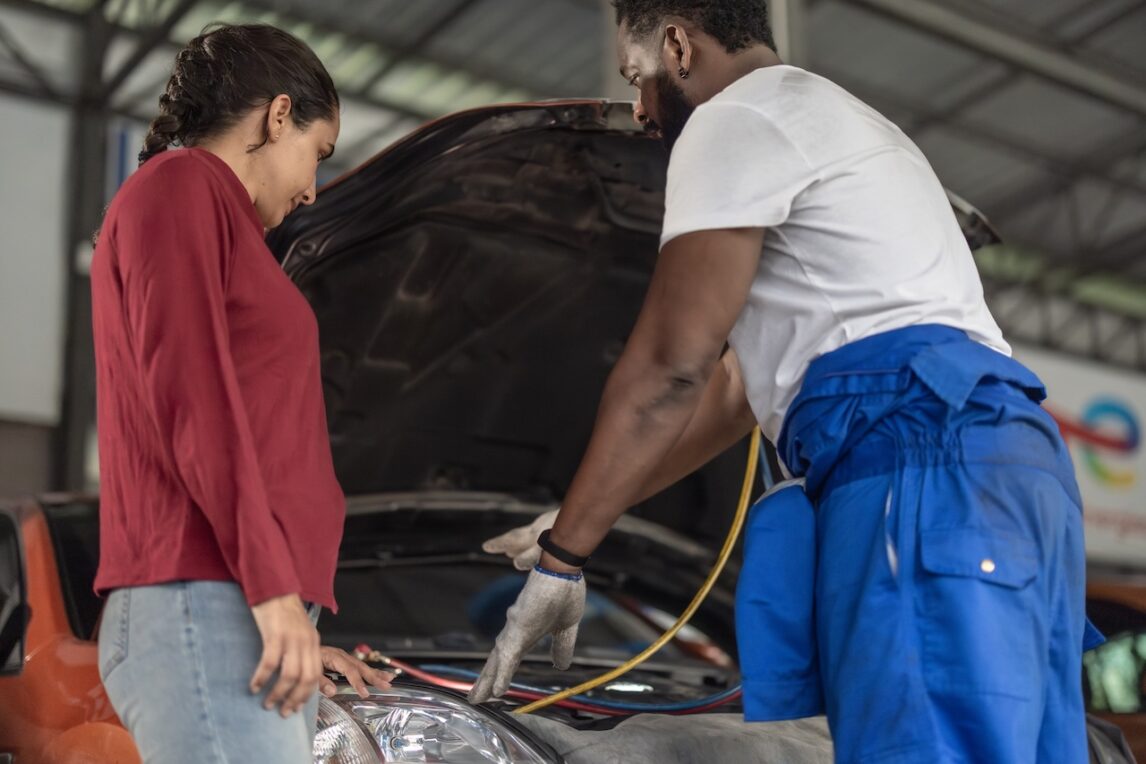
When you’re faced with the aftermath of a collision, the decision to repair or replace your vehicle can feel overwhelming. Both choices come with their own set of pros and cons, and determining the best course of action often depends on several factors, such as the extent of the damage, the cost involved, and the sentimental or functional value of your car. This guide will help you navigate these considerations, empowering you to make an informed decision when visiting your local auto body shop.
Assessing the Damage
The first step in deciding whether to repair or replace your vehicle is understanding the level of damage. A professional inspection at a trusted auto body shop can identify whether the issues are cosmetic, structural, or mechanical.
- Minor Cosmetic Damage: Scratches, dings, or small dents often don’t affect your car’s structural integrity. These issues are generally affordable to repair and do not typically justify a replacement.
- Structural Damage: Severe damage to the frame or body of the vehicle can compromise its safety. Repairs might still be an option, but only if they bring the vehicle back to safety standards.
- Mechanical Damage: Engine or transmission issues often come with higher repair costs. These types of problems might push you toward replacing the vehicle if the expenses are close to the car’s market value.
Analyzing Repair Costs
When assessing repair costs, it’s essential to compare the estimated cost of repairs to the current market value of the vehicle. This ratio can help you determine whether fixing the car is a sound financial decision:
- Affordable Repairs (<50% of the car’s value): Repairs that cost less than half the car’s value generally make sense, especially for newer or well-maintained vehicles.
- Expensive Repairs (>75% of the car’s value): If the repair costs exceed three-quarters of the car’s value, replacing the vehicle might be the better, long-term choice.
Should Sentimental Value Play a Role?
Some vehicles go beyond being just a functional asset. Whether it’s a classic car with a rich history or a family car tied to cherished memories, sentimental value can influence your decision. In such cases:
- Seek out specialized auto body shops experienced in restoration to ensure quality workmanship.
- Be prepared to invest more time and money, as maintaining or restoring older models may require sourcing rare parts or skilled labor.
Advantages of Repairing Your Vehicle
Opting for repairs can often be a more cost-effective and environmentally friendly option. Here’s why many drivers lean toward repairing their car:
- Lower Upfront Costs: Repairs are typically cheaper than purchasing a new car outright.
- Avoid New Debt or Payments: Keeping your current vehicle means you won’t have to take out loans or navigate lengthy payment plans.
- Preservation of Familiarity: You already know your car’s quirks, mileage, and maintenance history.
When Replacement Becomes Unavoidable
Sometimes, the signs are clear that it’s time to say goodbye to your car:
- Safety Concerns: If the damage impairs the vehicle’s safety, replacing it is often the responsible choice.
- Repeated Breakdowns: A car that frequently requires major repairs might not be reliable, making replacement the smarter investment.
- Total Loss: If an auto body shop declares your car a total loss (meaning the cost to repair exceeds its market value), a replacement becomes unavoidable.
Final Takeaway
The choice between repairing and replacing your vehicle isn’t always black and white. While repairs can save you money and keep you using the car you know and love, replacing your vehicle might offer greater peace of mind, especially if it ensures safety and long-term reliability.
Consult a trusted auto body shop to guide you through this decision, providing professional estimates and addressing your vehicle’s specific needs. With their help, you can confidently determine the best path forward after a collision.