
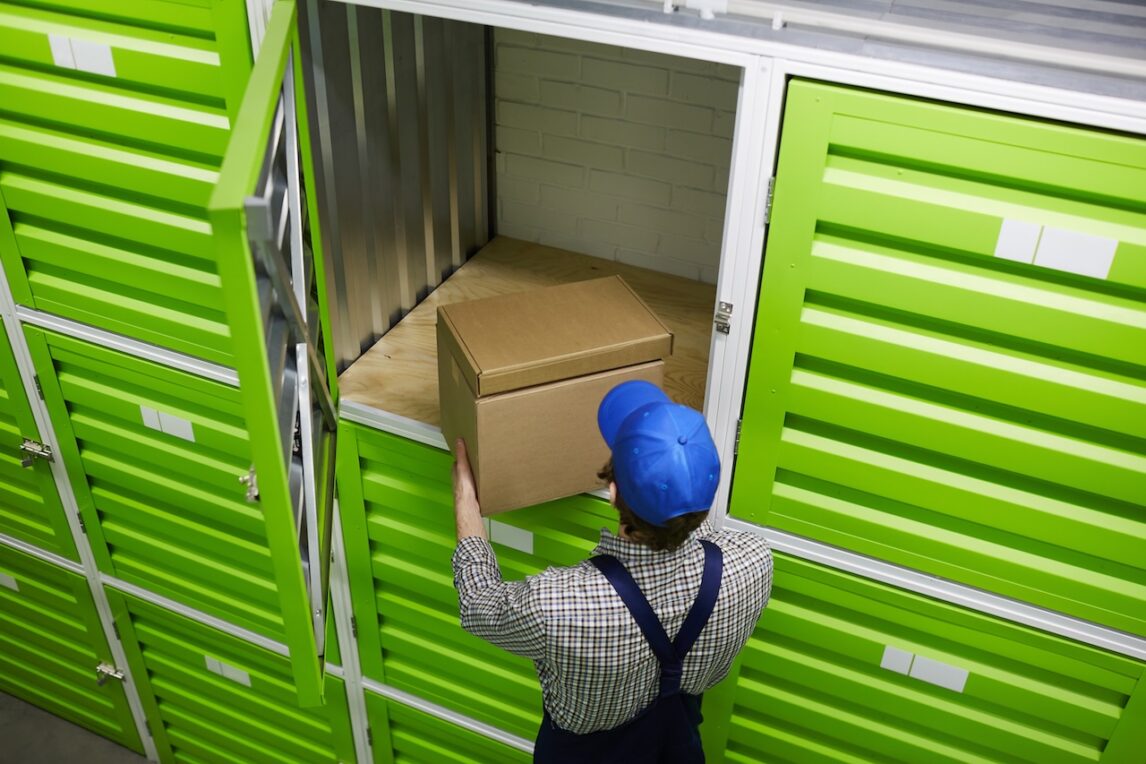
A small self-storage unit may look limited at first glance, but with smart planning and clever organization, it can hold far more than you think. Whether you’re storing seasonal décor, apartment overflow, hobby supplies, or business inventory, the secret to success is using every inch—from floor to ceiling—with intention. Here’s how to pack your small unit so it works harder, stays organized, and keeps your items protected.
Start With a Strategy (Not a Pile of Boxes)
Before you start hauling items into the unit, take a moment to outline your plan. A well-organized space starts with:
- Knowing what’s going in
- Identifying fragile or awkward items
- Separating frequently used items from long-term storage
This strategy helps you avoid one of the most common mistakes: loading everything into a giant stack that becomes impossible to navigate later.
Use Vertical Space Like a Storage Ninja
The floor isn’t your only usable area—your walls and airspace matter just as much.
- Install freestanding shelving: It instantly transforms vertical space from wasted air to functional storage. Look for adjustable shelves to customize height.
- Stack smartly: Keep heavier, sturdier boxes at the bottom and lighter, fragile items on top.
- Store tall items upright: Mattresses, mirrors, skis, ladders, and art frames take up less room vertically than horizontally.
Vertical organization reduces clutter and frees up valuable floor space for larger items.
Choose the Right Containers for the Job
Uniform containers make stacking safer and more efficient. While it’s tempting to reuse old boxes, mismatched sizes create unstable towers and wasted space.
- Clear bins let you see what’s inside at a glance.
- Latching lids keep dust, pests, and moisture out.
- Durable plastic bins are ideal for long-term storage or humid climates.
Bonus tip: Fill every bin completely. Partially filled boxes crush easily and waste valuable space.
Create Zones to Keep It All Organized
Think of your unit like a miniature warehouse. Creating zones keeps your items structured and easy to find.
Try these zone ideas:
- Back wall: Long-term storage—items you won’t need for months
- Side walls: Shelving for medium- or seasonal-use items
- Front area: Grab-and-go items such as tools, seasonal bins, or hobby gear
This simple zoning trick can save you from unloading half the unit just to reach one item.
Make an Aisle—Even a Small One
Even the tiniest unit needs some level of access. Leave a narrow walkway or center aisle so you can reach items without moving everything around.
It doesn’t need to be huge—just wide enough to pivot and grab what you need. This one step prevents chaos and saves you time with every visit.
Use Furniture as a Storage Tool
If you’re storing furniture, make it work double-duty.
- Pack smaller items inside dresser drawers.
- Use bookshelves as ready-made storage zones.
- Slide bins under tables or disassembled furniture.
- Wrap and store fragile items inside hollow spaces like clean trash bins or large baskets.
Every hollow space becomes an opportunity.
Disassemble When Possible
Breaking down big items maximizes space dramatically.
Take apart:
- Bed frames
- Dining tables
- Shelving units
- Desks
Bundle hardware in labeled bags and tape them to the corresponding piece. Smaller parts are easier to store, stack, and protect—and they make loading much more efficient.
Protect Your Items Without Bulking Up
Bubble wrap, packing paper, and moving blankets are essential, but be strategic so they don’t eat up space.
- Wrap fragile items tightly to avoid bulky padding.
- Use soft items (blankets, pillows, clothing) as padding inside bins.
- Place cushioned materials only where truly needed.
Protection matters, but over-padding wastes room.
Label Everything—No Exceptions
Even with clear bins, labels are a lifesaver. Mark every side you might see while standing in the unit.
Include:
- Contents
- Category
- Fragile warnings
- “Front” or “Back” indicators
- Frequency of use (e.g., “Seasonal – Winter”)
Labeling helps you maintain order long after the unit is full.
Take Photos or Make a Mini Map
Once everything is neatly arranged, snap a few photos of the layout. Or sketch a simple map showing what’s on each wall. This extra step saves you from memory lapses and makes retrieving items months later much easier.
Small Unit, Big Potential
With strategic planning, smart stacking, and thoughtful use of vertical and interior space, even the smallest self-storage unit can pack a serious punch. Instead of feeling cramped or cluttered, your unit becomes a powerhouse of organization—easy to navigate, stress-free to access, and fully optimized.
Make every inch count, and you’ll be amazed at how much your small unit can hold.