
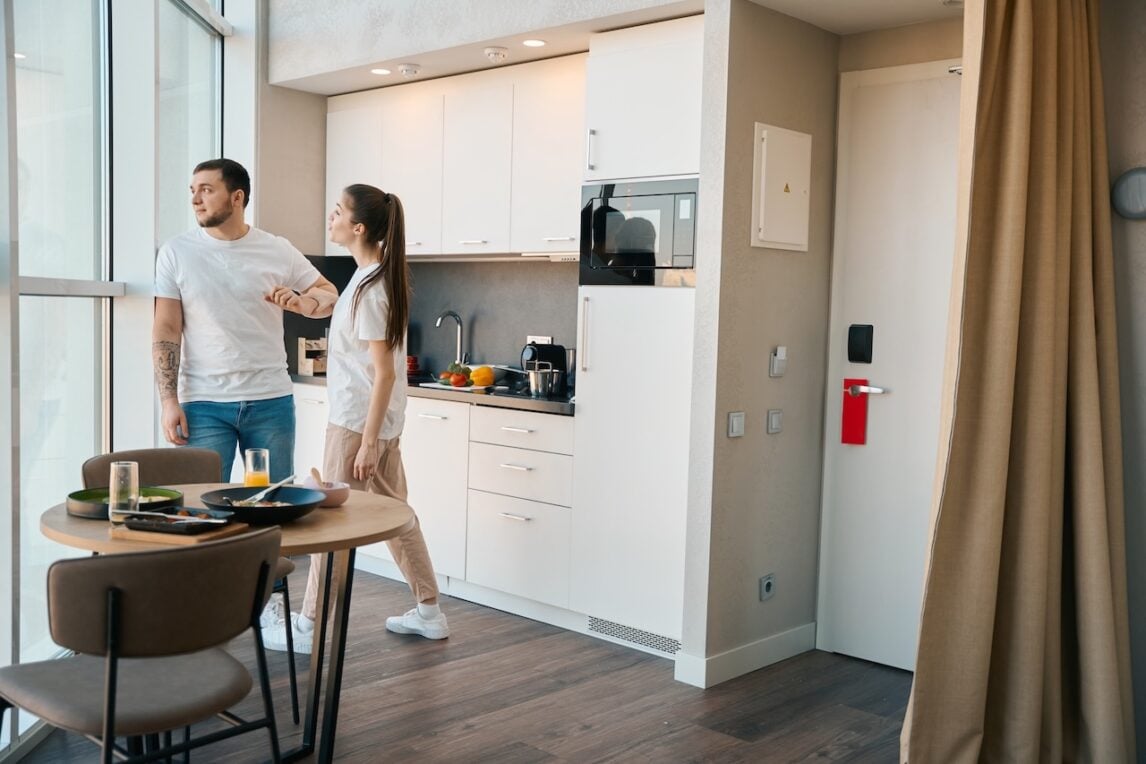
Living with roommates can be a fantastic experience, but it often comes with its fair share of challenges—one of the most common being how to share storage space. Whether it’s a rental property or a shared home, knowing how to divvy up closets, cabinets, and other storage areas can save you from unnecessary conflict. Here’s a comprehensive guide on how to share storage fairly and harmoniously.
1. Assess the Available Space
Before deciding how to divide storage, take stock of the areas you’ll be sharing. This might include kitchen cabinets, bathroom shelves, closets, or even basement and attic space. Understanding the available storage ensures you’ll make informed decisions about how to allocate it.
- Categorize the storage areas. Separate them as communal (e.g., kitchen pantry) or personal (e.g., bedroom closets).
- Measure the space if necessary. If one area is significantly larger, you’ll want to take that into account.
Once everyone knows exactly what’s available, it’s easier to structure a plan that feels fair.
2. Communicate and Set Clear Expectations
Effective communication is the cornerstone of sharing space. Without it, misunderstandings and conflicts are bound to arise.
- Hold a meeting. Sit down with your roommates to discuss everyone’s storage needs.
- Be honest but respectful. For example, if you need more kitchen storage because you cook daily, voice that preference early.
Make sure everyone’s voice is heard, and try to encourage compromises to ensure an equitable outcome.
3. Divide Storage According to Needs
Instead of attempting to split everything equally, consider allocating storage based on each person’s needs. For instance:
- If one roommate loves cooking and has an array of kitchen gadgets, they might require more cabinet space.
- If another roommate works from their bedroom, they may prioritize personal storage over shared areas.
By tailoring storage allocation to individual lifestyles, you can avoid unrealistic “one-size-fits-all” arrangements.
4. Designate Personal and Shared Zones
Clearly defining what’s personal and what’s communal will prevent unnecessary confusion. Here’s how you can establish these boundaries:
- Label personal spaces. Use labels or baskets to designate each roommate’s area, particularly in shared locations like the kitchen or bathroom.
- Establish communal areas. Agree on specific zones for items shared by everyone, such as cooking appliances, cleaning supplies, or toilet paper.
Labeling helps ensure that everyone respects the defined boundaries, minimizing accidental encroachment.
5. Create Rules for Access and Maintenance
Once the storage areas are divided, establish some ground rules to maintain organization and fairness. Discuss and agree upon the following:
- Regular decluttering: Set a schedule for cleaning shared spaces so they don’t become overcrowded.
- No overstepping: Make it a rule to ask for permission before using or shifting someone else’s items in storage.
Being proactive about maintaining the space will reduce resentment or unnecessary arguments later.
6. Invest in Storage Solutions
Even in smaller or older rental properties, there are usually ways to maximize the space you have. Encourage your roommates to chip in for shared storage solutions like:
- Organizers: Use stackable bins, shelves, or drawer dividers to create extra space.
- Hooks and racks: Make use of doors, walls, and vertical space for added storage.
Strategic storage tools can extend the amount of usable space, lessening the likelihood of disputes over limited areas.
7. Revisit the Arrangements Periodically
What works at the beginning of a tenancy might not always hold true later. Someone might add new belongings or change their lifestyle, necessitating a reassessment.
- Schedule a check-in. Every few months, hold a quick conversation to adjust allocations if needed.
- Stay flexible. Life happens, and being willing to tweak arrangements ensures you’ll sustain a respectful and drama-free shared environment.
Sharing space doesn’t have to be a source of tension. By planning thoughtfully, communicating openly, and staying flexible, you and your roommates can create an arrangement that works for everyone. A little effort toward fairness goes a long way in ensuring that your shared living experience is enjoyable and stress-free.