
An estate sale is more than just an opportunity to clear out belongings; it’s a process that can help maximize the value of items you no longer need, ensure cherished belongings find new homes, and simplify life transitions. However, organizing a successful estate sale takes thoughtful planning and execution. Whether you’re selling jewelry, furniture, or heirlooms, understanding the steps can make a big difference. Here’s how to make your estate sale a success.
1. Determine If an Estate Sale is Right for You
Before diving into planning, evaluate whether an estate sale fits your situation. Estate sales are ideal if you’re downsizing, managing an inheritance, or liquidating belongings after a life event. They’re particularly useful for selling valuable items such as estate jewelry, antiques, and collectibles. However, if you only have a small number of items to sell, alternative methods like online marketplaces or consignment shops may be more practical.
2. Assess and Organize Inventory
The preparation phase is critical to the success of your estate sale.
- Take Inventory of Items: Start by going through your possessions and identifying what will be included in the sale. Don’t overlook any item, as even small, inexpensive pieces can appeal to buyers.
- Highlight Valuable Items: Note high-value pieces such as estate jewelry, rare antiques, or vintage furniture. These items often draw the most attention and can set the tone for your sale.
- Sort and Clean Items: Organize items into categories (e.g., kitchenware, clothing, furniture) and ensure everything is presentable. Well-maintained items are more likely to attract buyers.
3. Research and Price Items Strategically
Fair and realistic pricing is a game-changer for any estate sale.
- Conduct Market Research: Look up similar items online to gauge their value. For instance, estate sale jewelry can vary widely in price based on factors like material, craftsmanship, and age.
- Hire Professionals if Needed: For particularly valuable or rare pieces, consider hiring an appraiser or estate sale company to provide accurate valuations.
- Be Open to Negotiation: Estate sale shoppers often expect deals. Leave some room for flexibility in your pricing strategy, but ensure you’re still meeting your financial goals.
4. Advertise Effectively
Getting the word out is key to attracting potential buyers.
- Use Online Marketplaces and Social Media: Post on platforms like Facebook Marketplace, Craigslist, and specialized estate sale websites. Include clear photos, a detailed list of key items (e.g., estate jewelry), and directions to the sale.
- Leverage Local Communities: Post flyers in community centers, libraries, and cafés. Word-of-mouth referrals can also help drive foot traffic.
- Highlight Featured Items: If you’re selling unique pieces or valuable jewelry, emphasize these in your advertising to generate interest.
5. Create an Organized Sale Layout
An organized and inviting atmosphere can improve the buyer experience.
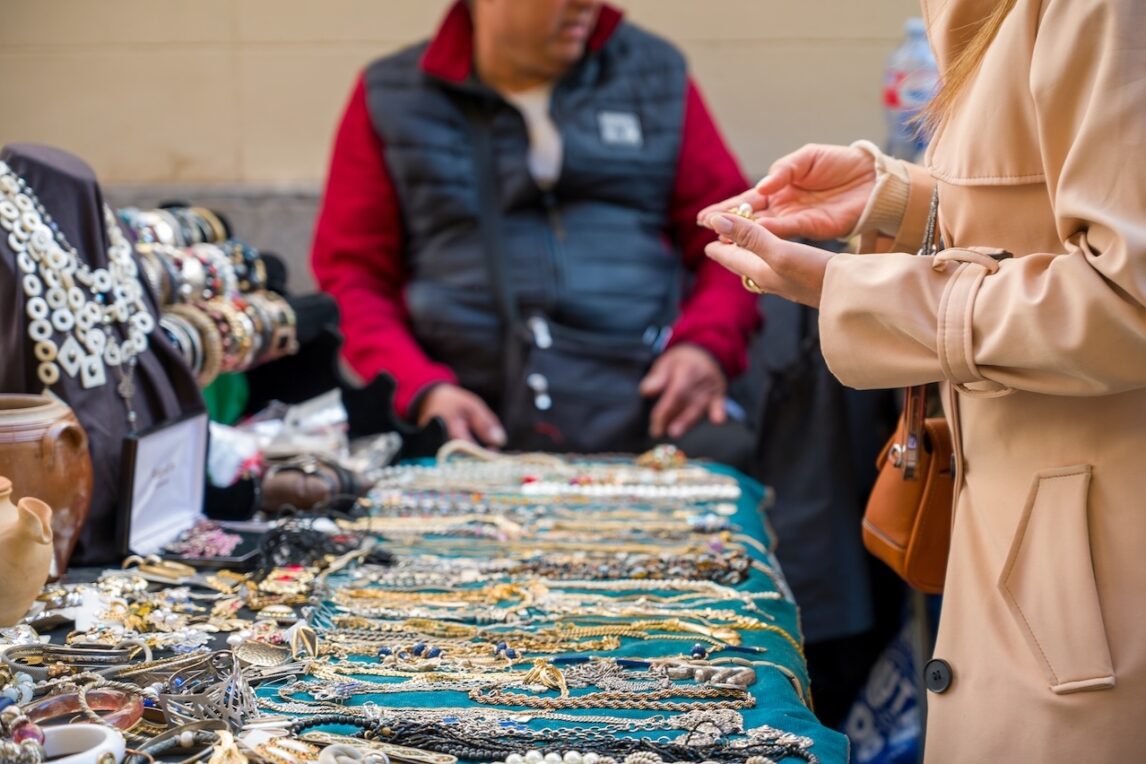
- Group Items by Category: Place similar items together for easy browsing. For example, display estate jewelry on a separate table with good lighting.
- Use Professional Displays: Use clean tablecloths, shelves, and display cases to make items look appealing.
- Streamline Traffic Flow: Arrange items so visitors can navigate the space comfortably even during peak hours.
6. Prepare to Negotiate
Negotiation is part of the charm of estate sales, so be ready to engage with customers.
- Set Price Limits for High-Value Items: Decide the minimum acceptable price for your estate jewelry or other valuables before the sale starts to avoid undervaluing them.
- Offer Bundle Deals: Encourage buyers to purchase more by offering discounts for grouped items.
7. Manage Logistics and Post-Sale Wrap-Up
Finally, focus on seamless execution and follow-up steps.
- Secure Payment Options: Offer multiple payment methods, including cash, credit cards, or digital wallets. Convenience boosts purchases.
- Handle Leftovers Strategically: Decide in advance what to do with unsold items. Options include donating to charity, repurposing, or listing items online.
- Evaluate the Sale: Reflect on what worked well and what could improve for any future sales.
Conducting a successful estate sale involves careful planning, effective advertising, and strategic execution. Whether you’re looking to downsize or find new homes for estate jewelry, memorable furniture, or valuable heirlooms, following these steps will help you achieve your goals. By organizing thoughtfully and pricing competitively, you can ensure both a smooth process and a rewarding outcome.