Industry has changed dramatically over the past two centuries. Each industrial revolution introduced new technologies that reshaped manufacturing, supply chains, and business operations. Today, companies are entering a new phase known as Industry 5.0, where advanced technology works alongside human expertise to create more adaptable, efficient, and sustainable organizations. For business leaders, understanding this evolution is essential for making informed investment and workforce decisions.
How Industry Has Evolved
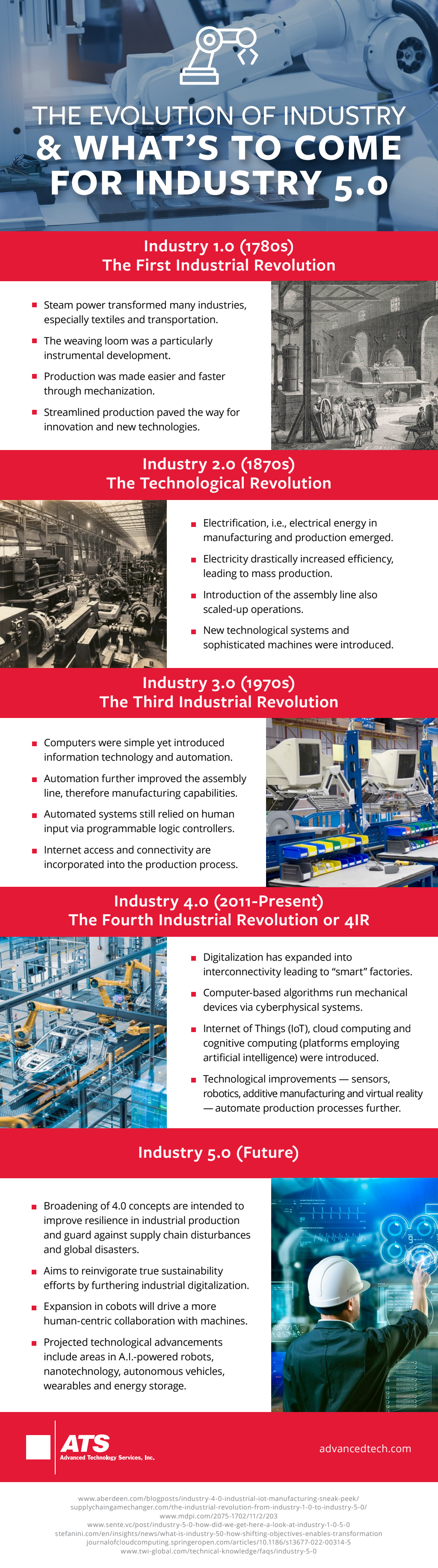
The First Industrial Revolution introduced steam power and mechanized production, allowing factories to produce goods more efficiently than traditional handcraft methods. The Second Industrial Revolution brought electricity and assembly lines, making mass production possible. Businesses increased output while reducing manufacturing costs, helping consumer markets expand rapidly.
The Third Industrial Revolution introduced computers, programmable machinery, and digital automation. Manufacturers gained greater control over production processes, improving consistency and reducing manual tasks. Industry 4.0 expanded automation through connected equipment, artificial intelligence, cloud computing, and data analytics. Machines began sharing information in real time, allowing businesses to monitor operations more accurately and respond to production issues more quickly.
What Makes Industry 5.0 Different
Industry 5.0 builds upon digital automation while placing greater value on human knowledge and decision-making. Rather than viewing technology as a replacement for employees, this approach encourages collaboration between skilled workers and intelligent systems.
Artificial intelligence can process large amounts of operational data, while employees contribute judgment, creativity, and problem-solving. Collaborative robots, predictive analytics, and automated inspection systems help improve efficiency, but people continue to guide strategic decisions and manage complex situations.
Sustainability Becomes Part of Business Strategy
Environmental responsibility has become a major consideration for manufacturers and industrial organizations. Industry 5.0 encourages businesses to reduce waste, improve energy efficiency, and use raw materials more responsibly.
Connected production systems can monitor energy consumption, identify inefficient equipment, and reduce unnecessary resource use. Manufacturers are also exploring recycling initiatives, circular production methods, and cleaner technologies that lower environmental impact while improving operational performance.
Investing in Workforce Development
As manufacturing systems become more advanced, employee skills become increasingly valuable. Workers must understand automated equipment, digital monitoring tools, and data-driven decision-making.
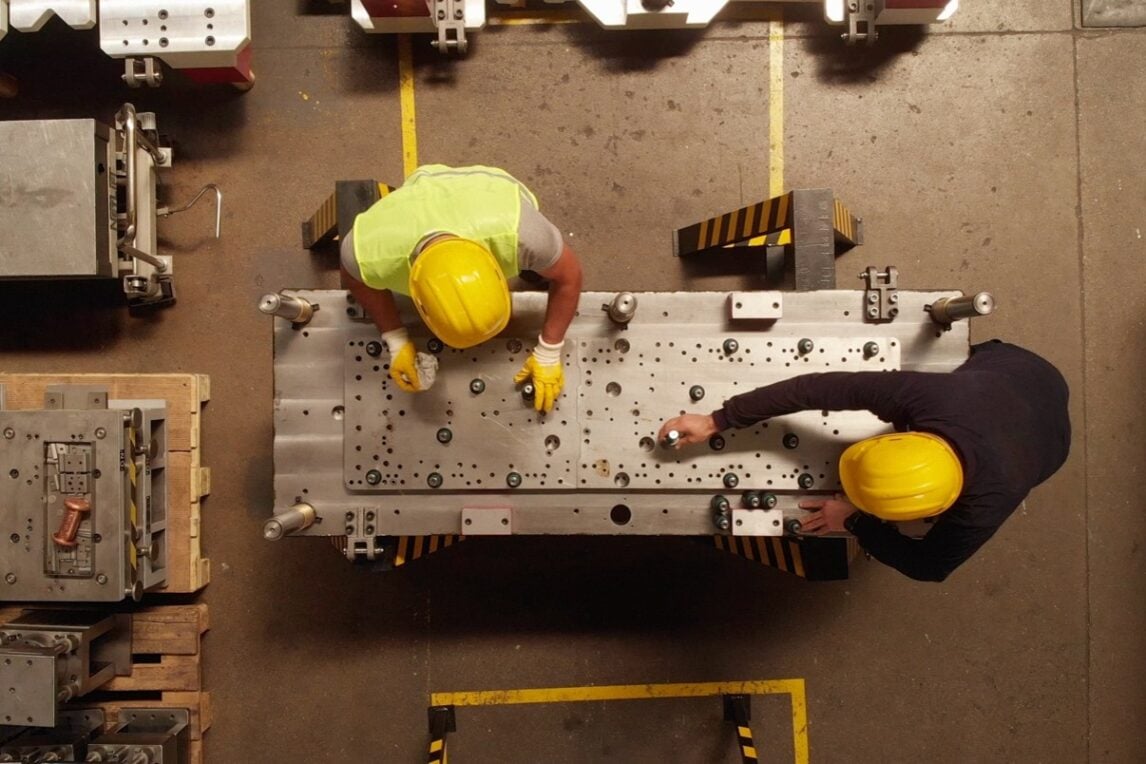
Many organizations invest in industrial maintenance training to prepare technicians for maintaining sophisticated machinery and identifying potential issues before they interrupt production. Continuous learning helps businesses adapt to new technologies while improving equipment reliability and workplace safety.
Preparing for the Future
Industry 5.0 represents more than another technology upgrade. It reflects a broader shift in how businesses approach manufacturing, workforce development, and long-term resilience. Organizations are placing greater emphasis on flexibility, responsible resource management, and collaboration between people and intelligent systems.
Future success will depend on the ability to adapt as customer expectations, technology, and global markets continue to change. Businesses that embrace innovation while supporting their workforce are likely to strengthen operational performance and remain competitive.
The evolution of industry demonstrates that every industrial era creates new opportunities for organizations willing to adapt. Industry 5.0 combines advanced technology with human expertise to build smarter, more sustainable operations. Look over the infographic below for more information.
Note for futured photo credit: Microsoft Stock Images)