
As organizations place greater focus on operational continuity and infrastructure planning, the terms energy reliability and energy resilience are being used more frequently in discussions about power systems. While the two concepts are closely related, they are not the same. Understanding the difference between reliability and resilience is especially important for businesses evaluating how to protect operations from disruptions and maintain long-term energy stability.
Energy reliability generally refers to the ability of an electrical system to maintain stable operations under expected conditions, including routine disturbances. A reliable power system is designed to provide uninterrupted service during everyday use, minimizing routine outages and maintaining stable performance across the grid. Utilities have traditionally focused heavily on reliability by maintaining infrastructure, balancing supply and demand, and reducing the frequency of service interruptions. Reliability is typically measured through factors such as outage frequency and duration. A highly reliable system delivers power consistently and supports normal operational needs with minimal disruption. For many years, reliability was considered the primary goal of energy infrastructure planning because most organizations focused mainly on maintaining day-to-day electrical service.
Energy resilience, however, goes beyond normal operations. Resilience refers to the ability of an energy system to prepare for, respond to, and recover from unexpected disruptions or extreme events. While reliability focuses on preventing routine outages, resilience focuses on maintaining operations during larger or more complex challenges such as severe weather, cyberattacks, equipment failures, or grid instability.
This distinction has become increasingly important as organizations face growing risks tied to climate events, aging infrastructure, and rising energy demands. A power system may be reliable under normal conditions but still lack the ability to withstand prolonged disruptions or recover quickly after major outages. Resilience addresses these broader operational risks by focusing on adaptability and recovery capabilities.
For example, a facility connected to a stable utility grid may experience reliable service most of the time. However, if a hurricane, wildfire, or major equipment failure causes an extended outage, reliability alone may not be enough to maintain operations. Resilient energy systems are designed to continue supporting critical functions even when the primary grid is disrupted.
Business continuity is one reason resilience has become a growing priority. Many industries now depend on continuous uptime to support operations, digital infrastructure, and customer services. Data centers, healthcare facilities, manufacturing operations, and emergency response organizations often cannot afford extended interruptions. In these environments, resilience planning helps ensure that critical systems remain operational during emergencies.
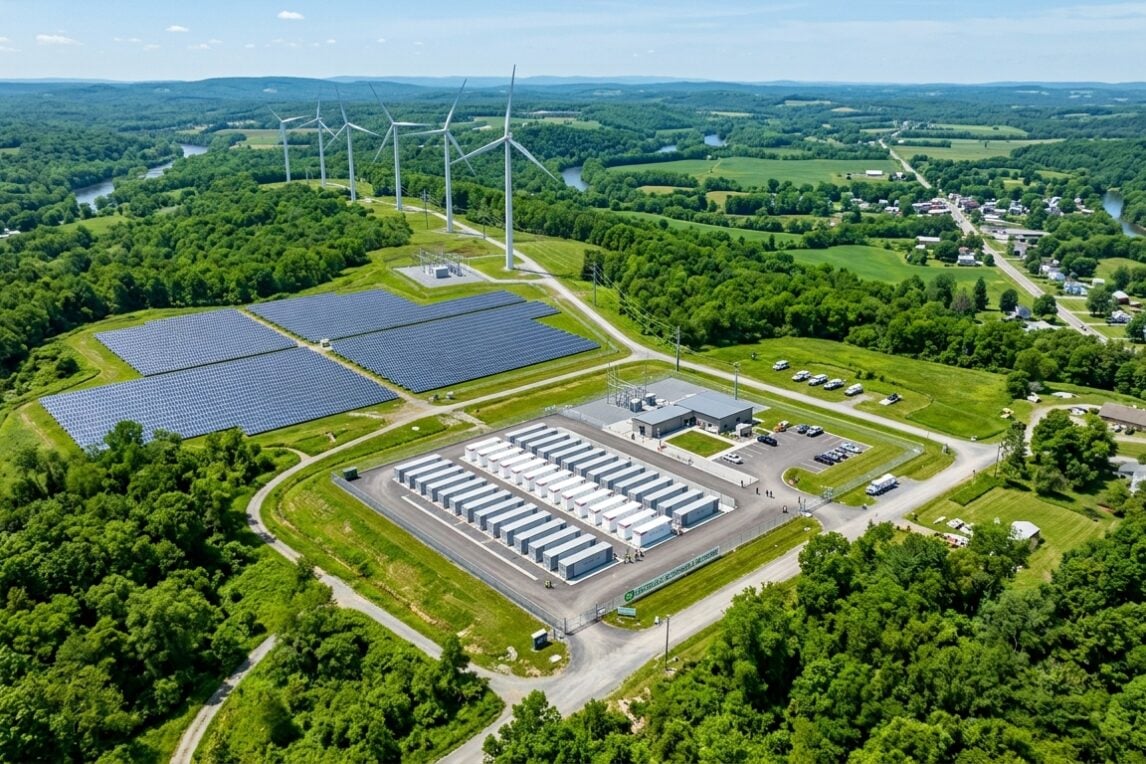
Microgrids and distributed energy resources are becoming increasingly important tools for improving resilience. These systems allow organizations to generate and manage power locally rather than relying entirely on the centralized grid. In some cases, microgrids can operate independently during outages, helping facilities maintain critical operations while utility service is unavailable.
Backup generators have traditionally been used to improve reliability during outages, but resilience strategies are often more comprehensive. Modern resilience planning may involve energy storage systems, renewable energy integration, intelligent energy management software, and redundant infrastructure designed to support longer-term operational continuity.
Another important difference is how reliability and resilience are evaluated over time. Reliability focuses primarily on reducing the likelihood of routine interruptions, while resilience focuses on how systems perform under stress and how quickly they can recover after disruptions occur. This broader perspective has become increasingly important as organizations face more unpredictable operational environments.
The growing focus on resilience reflects changing business priorities. Organizations are no longer evaluating energy infrastructure solely based on routine performance. They are also considering how systems will respond during emergencies, natural disasters, supply chain disruptions, or evolving energy demands.
Ultimately, reliability and resilience work together but serve different purposes. Reliability supports stable day-to-day operations, while resilience helps organizations maintain continuity during unexpected disruptions. Both are important, but resilience has become increasingly valuable in a world where operational interruptions can create significant financial and strategic consequences.
As energy infrastructure continues to evolve, organizations that prioritize both reliability and resilience will likely be better positioned to manage risk, maintain continuity, and adapt to future challenges.