
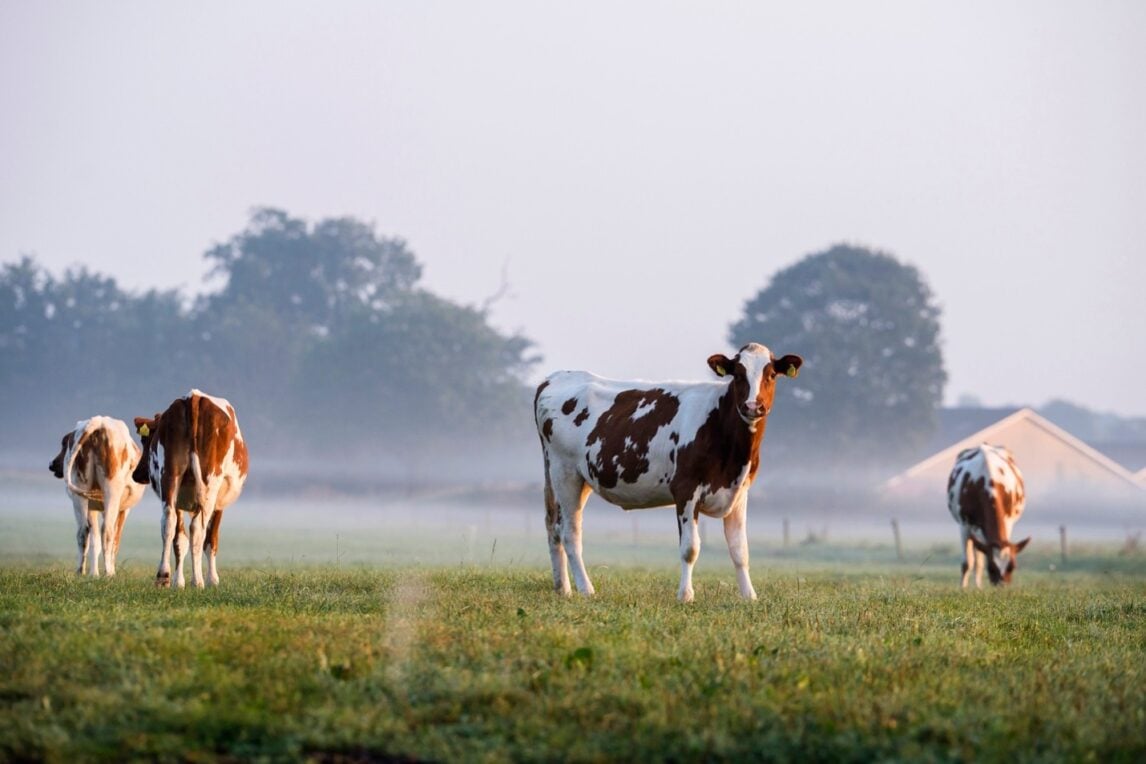
The global beef trade connects producers, processors, distributors, retailers, and consumers across multiple continents. Every shipment represents a carefully managed supply chain shaped by production capacity, consumer demand, trade agreements, transportation infrastructure, and food safety regulations. Understanding how beef moves from one market to another helps businesses recognize the economic forces that influence pricing, availability, and international commerce.
Major Beef Exporting Countries
A relatively small group of countries accounts for much of the world’s beef exports. Brazil, the United States, Australia, India, and Argentina are among the largest suppliers, each serving different regions based on production strengths and trade relationships.
Brazil exports significant volumes to Asia, the Middle East, and other international markets due to its large cattle industry. Australia supplies beef throughout Asia while also maintaining strong relationships with North American markets. The United States exports premium beef to countries that value grain-fed products, including Japan and South Korea. Each exporting nation must meet the importing country’s food safety, animal health, and labeling requirements before products can enter the market.
Key Import Markets
Demand for imported beef is driven by population growth, consumer preferences, and limits on domestic production. Countries such as China, Japan, South Korea, and the United States regularly import beef to supplement local supplies.
Import patterns also depend on the types of beef consumers prefer. Some markets purchase premium cuts for restaurants and retail stores, while others import manufacturing beef for processed food products. Economic conditions, currency values, and consumer spending habits can all influence purchasing volumes from year to year.
Transportation Keeps the Supply Chain Moving
Once beef is processed, maintaining product quality becomes a top priority. Refrigerated storage, temperature-controlled shipping, and efficient logistics help preserve freshness throughout international transportation.
Products may travel by truck, rail, cargo ship, or air freight depending on delivery timelines and destination markets. Ports, customs inspections, and distribution centers all play important roles before products reach wholesalers, retailers, or food service providers. Any disruption during transportation can affect inventory levels, product quality, and delivery schedules.
Trade Policies Shape Global Movement
International beef trade is influenced by tariffs, import quotas, sanitary regulations, and trade agreements. Changes in government policy can quickly affect market access and alter established trade routes.
Disease outbreaks may also lead to temporary import restrictions while countries evaluate animal health risks. Businesses involved in international trade must stay informed about regulatory changes that could affect sourcing or export opportunities.
Financial planning is equally important because currency fluctuations and payment terms influence international transactions. Many large exporters and importers work with institutions that provide services such as corporate banking to support cross-border payments, financing, and risk management.
The global beef market depends on strong partnerships across agriculture, logistics, finance, and international trade. Businesses that understand how these supply chains operate are better prepared to respond to market changes, identify new opportunities, and build resilient strategies in an increasingly connected global economy. For more information on global beef trade routes and their impact, feel free to look over the accompanying infographic below.
