
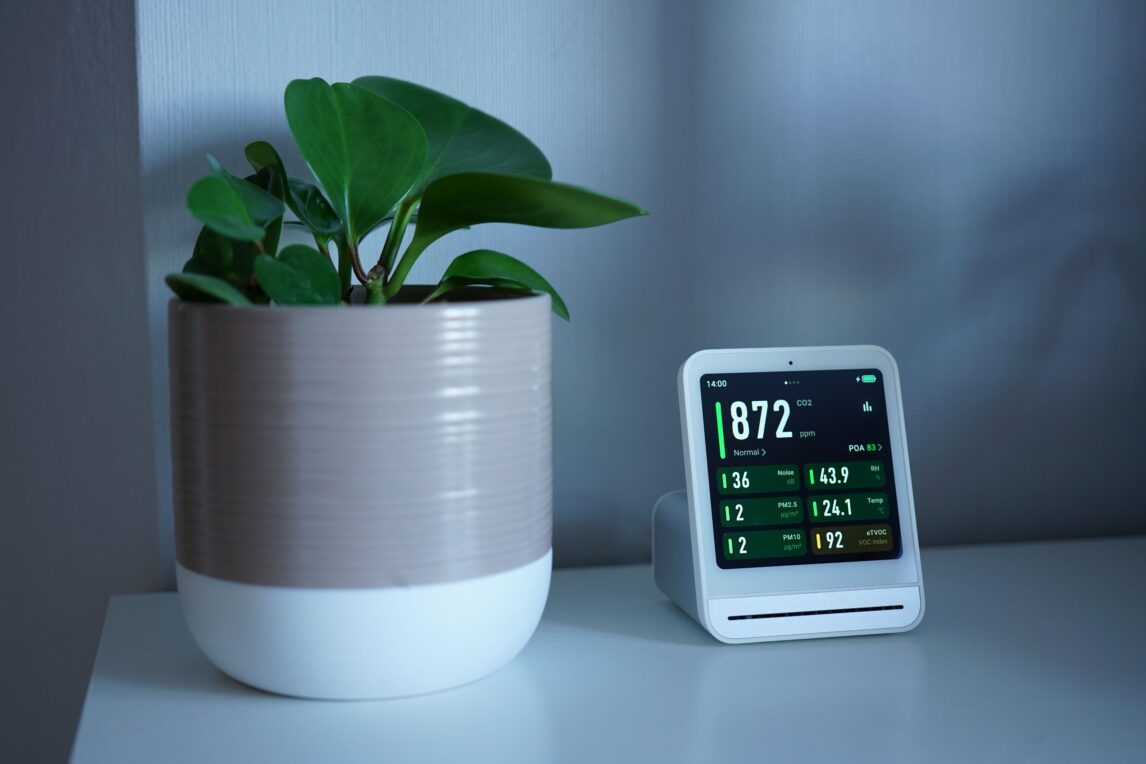
Most business owners obsess over the things they can see: the storefront, the website, the balance sheet. But one of the biggest factors affecting how people feel, think, and perform inside your building is completely invisible. It’s the air itself.
Indoor air quality rarely makes it onto a business owner’s priority list until something forces the issue, such as a musty smell customers comment on, employees complaining about headaches, or allergy season hitting the office harder than it should. Yet the air inside homes and commercial spaces is often more polluted than the air outside, and the effects on health and productivity are well documented.
The good news: this is a fixable problem. Professional indoor air quality solutions, from ventilation upgrades and air purification systems to humidity control and duct cleaning, can dramatically change the environment inside a building. Understanding what’s actually in your air is the first step toward deciding whether it’s worth addressing. For most business owners and homeowners, it is.
What’s Actually in Indoor Air
Indoor air pollution isn’t one thing. It’s an accumulation of many small sources that add up in enclosed spaces:
- Dust, dander, and pollen that circulate through HVAC systems and settle into carpets, upholstery, and vents
- Volatile organic compounds (VOCs) released by cleaning products, paints, adhesives, new furniture, and office equipment
- Mold and mildew spores that thrive anywhere moisture collects, including basements, bathrooms, and poorly ventilated storage areas
- Carbon dioxide buildup in occupied rooms with inadequate ventilation, which is directly linked to drowsiness and reduced concentration
- Combustion byproducts from gas appliances, water heaters, and nearby vehicle exhaust
Modern construction makes this worse, not better. Buildings are sealed tighter than ever for energy efficiency, which is great for utility bills but means pollutants that get inside tend to stay inside.
The Business Case: Air Quality and Productivity
For entrepreneurs, this isn’t just a health topic. It’s an operations topic.
Researchers have repeatedly found connections between ventilation, CO2 levels, and cognitive performance. Stale, poorly ventilated air is associated with slower decision-making, more errors, and that familiar mid-afternoon mental fog that coffee never quite fixes. If your team works in a space where the air feels heavy by 2 p.m., that’s not a motivation problem. It may be a ventilation problem.
There’s also the absenteeism angle. Poor indoor air aggravates allergies, asthma, and respiratory irritation. Employees working in cleaner air environments tend to report fewer symptoms: fewer headaches, less eye and throat irritation, less fatigue. For a small business where every team member matters, even a modest reduction in sick days has real financial value.
And don’t overlook the customer side. People may not consciously register air quality, but they notice how a space feels. A shop, clinic, or office that smells fresh and feels comfortable makes a different impression than one that’s stuffy or musty. First impressions are multisensory.
The Home Office Blind Spot
Since remote and hybrid work became normal, millions of entrepreneurs and employees now spend their working hours in spare bedrooms, basements, and converted garages. These are spaces that were never designed for eight hours of daily occupancy.
A basement office might sit in the dampest, most mold-prone part of the house. A spare bedroom with the door closed all day can see CO2 levels climb steadily by afternoon. If you work from home and find yourself inexplicably drained by the end of the day, the room itself might be part of the story.
The same principles that apply to commercial spaces apply here: ventilation, filtration, and humidity control. The scale is smaller, but the stakes, meaning your daily focus and long-term health, are just as personal.
Warning Signs Worth Taking Seriously
You don’t need expensive monitoring equipment to spot the early indicators of an air quality problem:
- Dust reappearing quickly after cleaning, or visible dust blowing from vents
- Musty or stale odors, especially in specific rooms
- Condensation on windows, or humidity that feels consistently too high or too low
- Headaches, congestion, or fatigue that improve when you leave the building
- Allergy or asthma symptoms that are worse indoors than outside
- Uneven temperatures or weak airflow from room to room
Any one of these on its own might be minor. Several together usually point to a ventilation, filtration, or moisture issue that won’t resolve on its own.
Practical Steps That Make a Difference
Improving indoor air doesn’t have to start with a major investment. A sensible progression looks like this:
- Start with the basics. Replace HVAC filters on schedule, and more often if you have pets, nearby construction, or heavy foot traffic. A clogged filter can’t clean anything.
- Control moisture. Fix leaks promptly, run exhaust fans in bathrooms and kitchens, and keep indoor humidity in a moderate range. Mold prevention is far cheaper than mold remediation.
- Ventilate deliberately. Fresh air exchange matters. If opening windows isn’t practical year-round, mechanical ventilation options exist that bring in outside air without sacrificing heating and cooling efficiency.
- Get a professional assessment. HVAC professionals can test air quality, inspect ductwork, and recommend targeted solutions such as whole-home or whole-building air purifiers, UV treatment systems, humidifiers or dehumidifiers, and ventilation upgrades sized to the actual space. A targeted fix based on real data beats guessing every time.
An Investment That Compounds
Business owners are trained to think in terms of return on investment, and indoor air quality holds up well under that lens. Cleaner air supports sharper thinking, fewer sick days, more comfortable customers, and an HVAC system that runs more efficiently and lasts longer because it isn’t fighting through clogged filters and dirty ducts.
Unlike most business improvements, this one follows you home. The same awareness that makes your workplace healthier makes your house healthier. And for the growing number of people whose workplace is their house, the two are one and the same.
You can’t see the air you breathe for eight, ten, twelve hours a day. But your body, your team, and your bottom line all respond to it. That makes it worth paying attention to.
toto togel
situs gacor
situs togel
toto togel
toto togel
toto togel
link gacor
toto togel
link gacor
togel online
slot gacor
link gacor
situs gacor
toto togel
kampungbet
toto togel
link gacor
toto togel
situs togel
toto togel
toto togel
link gacor
slot gacor
slot gacor
situs togel
togel online
kampungbet
situs gacor
toto togel
slot gacor
link gacor
situs hk
situs hk
situs toto
slot gacor
link gacor
situs toto
situs togel
toto
link gacor
slot gacor
link gacor
situs gacor
toto togel
situs toto
toto togel
toto togel
toto togel
toto togel
toto togel
kampungbet
kampungbet
kampungbet
situs gacor
situs gacor
toto togel
kampungbet
kampungbet
situs gacor
kampungbet
kampungbet
kampungbet
kampungbet
kampungbet
kampungbet
kampungbet
kampungbet
kampungbet
kampungbet
kampungbet
kampungbet