
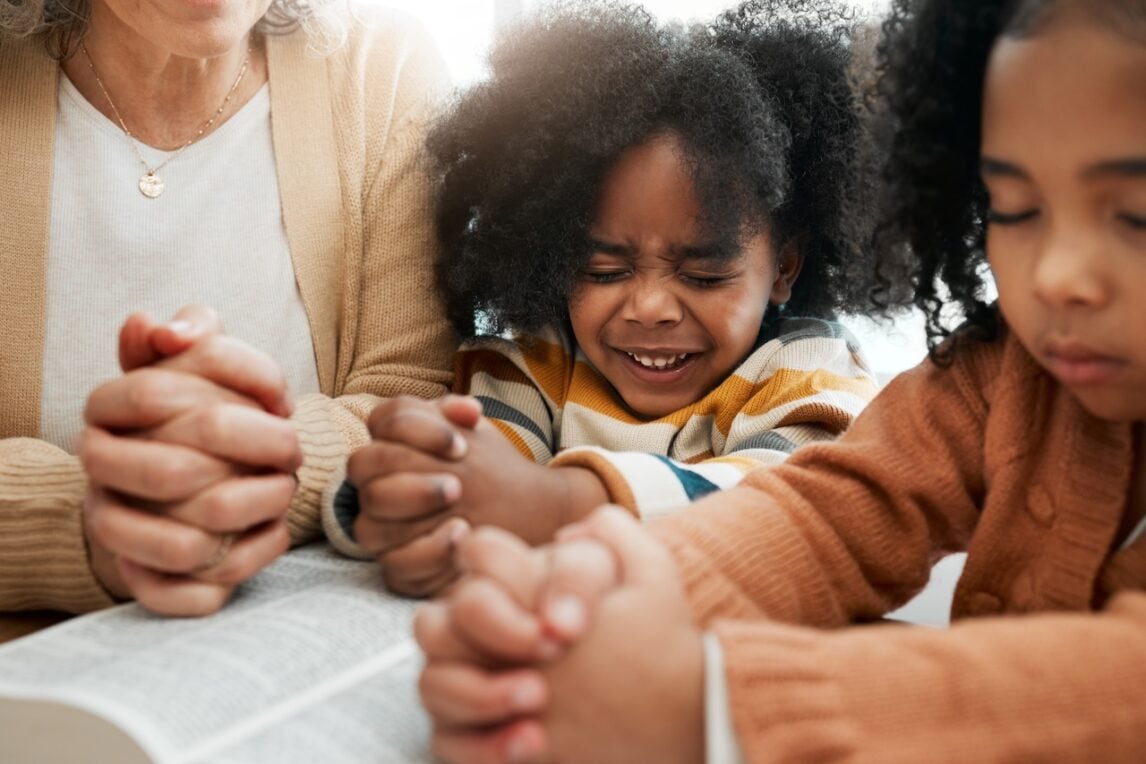
Children are naturally curious, and that curiosity makes home a great place to build a lifelong love for the Bible. When families make room for consistent scripture study, kids gain more than knowledge. They learn patience, careful thinking, and a sense of how faith connects to everyday life. The best part is that these skills don’t require special training or expensive materials. With a few simple habits, kids of almost any age can start learning how to read, understand, and treasure scripture.
1. Reading Slowly and Carefully
Many kids read quickly, especially when they want to finish a task. Scripture rewards a slower pace. Teach your child to read a short passage, then pause and read it again. Encourage them to notice repeated words, names, or phrases that stand out.
For younger children, reading aloud together works well. Older kids can try reading the same verse in two different Bible translations to see how the wording changes. This simple practice helps them see that every word matters and that a single verse can hold more meaning than they first expected.
2. Asking Good Questions
Questions are the heart of real understanding. Show your kids that it’s okay, and even good, to wonder about what they read. Simple questions make a strong starting point:
- Who is speaking or being described?
- What is happening in this passage?
- Where and when does it take place?
- Why might this story or teaching matter?
You don’t need to have every answer ready. Exploring questions together shows kids that learning is a shared journey. It also builds critical thinking skills they’ll use in school and beyond.
3. Understanding Context
A verse makes more sense when kids know the story around it. Help your child look at the verses before and after a passage. Talk about who wrote the book, who first heard it, and what life was like at that time.
Children’s Bible maps, simple timelines, and illustrated Bible dictionaries can make this skill fun. Even a quick chat about whether a passage is a story, a poem, a letter, or a song helps kids read it with fresh eyes. Context protects against misunderstanding and makes ancient words feel more alive.
4. Memorizing Meaningful Verses
Memorization gives kids words they can carry with them anywhere. Start small with one short verse each week. Write it on an index card, post it on the fridge, or turn it into a song or a hand-motion game.
Repetition is key, so practice during car rides, at mealtimes, or before bed. Choose verses that speak to real situations kids face, such as fear, kindness, or gratitude. When a memorized verse comes to mind during a hard moment, children see firsthand how scripture can guide and comfort them.
5. Reflecting and Applying
The final skill connects reading with living. After a passage, ask your child how it might shape the way they act, speak, or think this week. A simple journal can help. Kids can write a verse, draw a picture about it, or jot down one way to put it into practice.
Reflection also includes prayer. Encourage children to talk to God about what they read, sharing thanks, questions, or hopes. This turns study into a personal relationship rather than a school assignment.
Bringing It All Together
Scripture study skills grow best when they are practiced with patience and joy. Reading slowly helps kids notice details. Asking questions sparks curiosity and deeper thinking. Understanding context brings clarity and protects meaning. Memorizing verses gives children truth they can carry anywhere. Reflecting and applying turns words on a page into a living part of daily life.
None of these skills require perfection, and progress often comes in small steps. Over time, these simple habits can help children build a strong, personal foundation of faith that lasts well beyond childhood.