
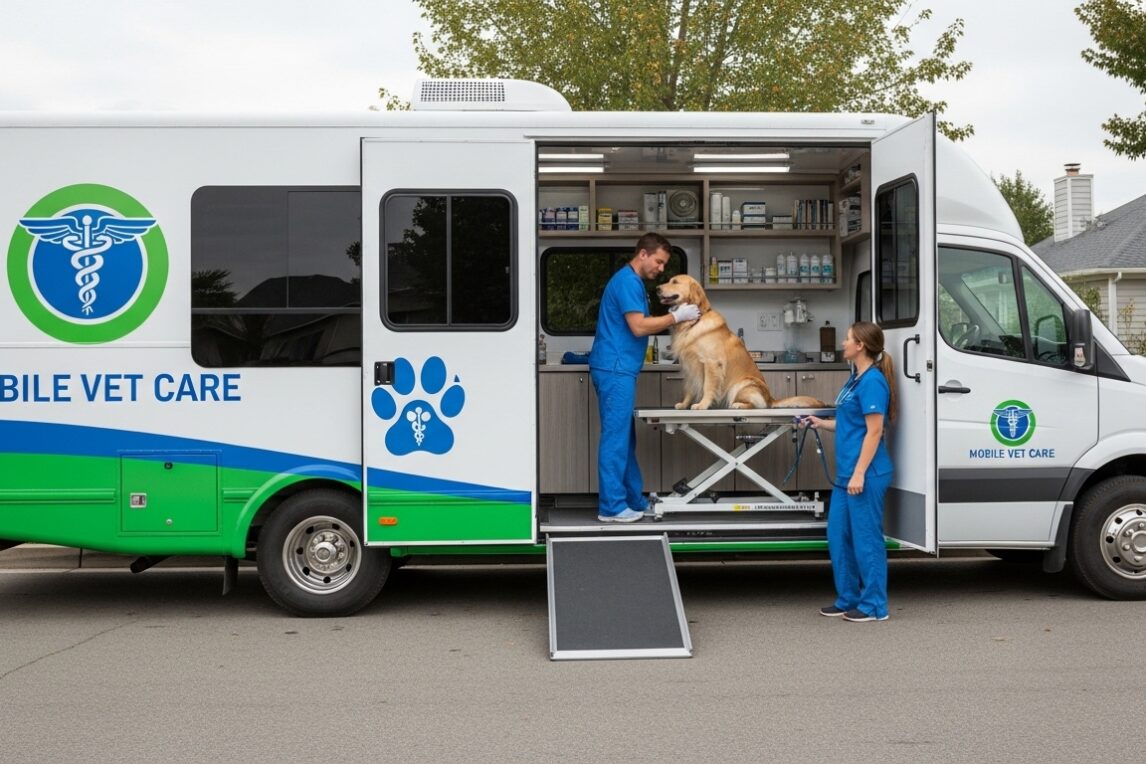
Mobile veterinary services have become an essential component of modern livestock management. As farms and ranches grow in size and complexity, the need for efficient, on-site veterinary care has increased significantly. Mobile livestock veterinarians provide a practical, cost-effective, and animal-focused solution by bringing professional medical services directly to the farm. This approach improves animal welfare while also enhancing productivity and operational efficiency for livestock owners.
The Role of a Mobile Livestock Veterinarian
A livestock veterinarian specializes in the health and management of animals such as cattle, sheep, goats, pigs, and horses. Their responsibilities extend beyond treating illness—they are deeply involved in preventative care, biosecurity planning, reproduction, and overall herd health.
Mobile veterinarians work directly on farms and ranches, allowing them to observe animals in their natural environment. This is a major advantage compared to clinic-based care, as environmental conditions—such as feed quality, housing, weather exposure, and herd dynamics—play a significant role in animal health. Being on-site enables veterinarians to make more accurate diagnoses and provide tailored recommendations that align with the specific operation.
Why Mobile Veterinary Services Matter
Transporting livestock to a veterinary clinic can be difficult, time-consuming, and risky. Large animals require trailers, additional labor, and careful handling. This process can cause significant stress, which may worsen existing health conditions or lead to injuries.
Mobile veterinary services eliminate the need for transportation by bringing care directly to the animals. This reduces stress, improves safety, and allows for more accurate clinical evaluations. Animals remain in familiar surroundings, which helps maintain normal behavior and physiological stability during examinations.
Additionally, minimizing transport reduces the risk of disease transmission. Livestock exposed to other animals at clinics or transport facilities are more vulnerable to infectious diseases. On-farm care helps maintain stronger biosecurity protocols.
Comprehensive On-Site Services
Modern mobile livestock veterinarians are equipped to provide a wide range of services directly in the field. These services commonly include:
- Routine health exams and vaccinations
- Pregnancy diagnosis and reproductive management
- Disease diagnosis and treatment
- Lameness evaluations and hoof care
- Emergency care, including difficult births (dystocia)
- Nutritional consulting and herd health planning
Mobile veterinary units are often outfitted with advanced portable equipment such as ultrasound machines, blood testing tools, and surgical instruments. This allows veterinarians to perform diagnostics and procedures that previously required clinic visits.
Mobile services are particularly valuable in large-scale operations, where moving multiple animals is impractical. Instead of disrupting the entire herd, veterinarians can efficiently assess and treat animals on-site.
Preventative Care and Herd Health Management
Preventative care is one of the most important aspects of livestock veterinary medicine. Mobile veterinarians play a key role in developing and maintaining herd health programs that reduce disease risk and improve long-term productivity.
These programs often include vaccination schedules, parasite control, nutrition planning, and routine monitoring. By identifying issues early, veterinarians can prevent outbreaks and reduce the need for costly treatments.
According to the American Veterinary Medical Association, preventative herd health programs are critical for maintaining livestock productivity and minimizing disease spread. These programs emphasize regular veterinary involvement, biosecurity practices, and early intervention strategies.
Mobile veterinarians are uniquely positioned to implement these strategies because they can evaluate real-world farm conditions and make adjustments based on direct observation.
Emergency Response and Time-Sensitive Care
Livestock emergencies require immediate attention. Conditions such as calving complications, severe injuries, or acute illness can escalate quickly and result in significant financial and animal losses.
Mobile veterinarians provide rapid, on-site response in these situations. Their ability to arrive quickly and begin treatment without delay is often the difference between recovery and loss. This is especially important in rural areas, where access to veterinary hospitals may be limited.
Establishing a relationship with a mobile veterinarian ensures faster response times and better continuity of care during emergencies.
Benefits for Farmers and Ranchers
Mobile veterinary services offer several clear advantages:
Convenience: No need to transport animals or interrupt daily operations. Reduced stress on animals: Animals remain in familiar environments. Improved biosecurity: Less exposure to outside animals reduces disease risk.
Time and labor savings: Fewer resources are required for handling and transport.
Personalized care: Veterinarians can assess environmental and management factors directly.
Additionally, mobile veterinarians often build long-term relationships with their clients. This leads to better communication, more consistent care, and improved overall herd performance.
The Growing Demand for Mobile Veterinary Care
The demand for mobile livestock veterinary services continues to grow due to advancements in portable medical technology and increased awareness of preventative care. Farmers are recognizing that proactive veterinary involvement leads to healthier animals and more profitable operations.
Mobile practices also appeal to veterinarians by offering flexibility and the opportunity to work closely with clients. This model supports a more personalized and sustainable approach to veterinary medicine.
Limitations and Considerations
While mobile veterinary services are highly effective, they do have limitations. Complex surgeries, advanced imaging, and long-term hospitalization may still require referral to a fully equipped veterinary facility.
However, most mobile veterinarians collaborate with clinics and specialty hospitals when necessary. This ensures that animals receive the appropriate level of care while still benefiting from the convenience of on-farm services.
Conclusion
Mobile veterinary services are transforming livestock care by combining convenience, efficiency, and high-quality medical expertise. By delivering care directly to farms and ranches, mobile veterinarians improve animal welfare, reduce operational challenges, and support long-term herd health.
For livestock owners, investing in a mobile veterinary partnership is not just a matter of convenience—it is a strategic decision that enhances both animal well-being and overall productivity.
FAQ: Mobile Livestock Veterinary Services
1. What animals can a mobile livestock veterinarian treat?
Mobile livestock veterinarians typically treat cattle, horses, sheep, goats, pigs, and other farm animals. Some may also work with specialty or exotic livestock.
2. Are mobile veterinary services more expensive than clinic visits?
Costs vary, but while there may be a travel fee, mobile services often reduce overall expenses by eliminating transportation, lowering labor needs, and preventing stress-related health issues.
3. Can mobile vets handle emergencies?
Yes. Many mobile veterinarians offer emergency services, including treating injuries, assisting with births, and stabilizing critically ill animals on-site.
4. What equipment does a mobile livestock vet carry?
Mobile units are typically equipped with portable diagnostic tools such as ultrasound machines, lab testing equipment, and surgical instruments.
5. How often should livestock be seen by a veterinarian?
Most livestock should receive veterinary care at least once or twice per year, though frequency depends on species, herd size, and risk factors.
6. When should I call a mobile vet immediately?
Contact a veterinarian right away if you notice signs such as difficulty birthing, sudden illness, lameness, loss of appetite, or unusual behavior. Early treatment significantly improves outcomes.