Renting a storage unit may seem like a simple task, but making the right choice ensures convenience, safety, and efficient storage. Whether you’re downsizing, storing seasonal items, or need extra space for your business inventory, careful planning will help you maximize the benefits of a storage unit. To guide you, here’s a checklist of seven essential factors to consider before you rent.
1. Location is Key
The location of your rented storage unit impacts both convenience and cost. Ideally, choose a facility close to your home or workplace if you’ll need frequent access. This is particularly important for storing business inventory or essential documents. Additionally, consider the overall safety of the surrounding area and the accessibility of routes leading to the facility. Avoid locations that could cause delays due to peak traffic or confusing access points.
2. Know Your Storage Needs
Understanding what you plan to store will help you determine the space requirement. Make a detailed inventory of your items and assess whether they are bulky, stackable, or delicate. Larger items like furniture may require more room, while others can be neatly arranged in bins. Also, think about future storage needs. Anticipating these in advance allows you to select a unit size that accommodates upcoming changes, saving you from renting additional space.
3. Choose the Type of Storage Unit
Not all storage units are built the same. Here’s a quick breakdown of the types you may come across:
- Indoor Units: These offer protection against weather and pests, making them suitable for fragile or temperature-sensitive items.
- Outdoor Units: These are usually drive-up accessible and perfect for hefty or hard-to-move items.
- Climate-Controlled Units: If you’re storing valuable items like artwork, electronics, or important documents, climate-controlled units ensure they remain safe from temperature fluctuations and humidity.
- Security Features: Some storage facilities come with advanced locks, video surveillance, and gated access for greater safety.
The type of unit you choose should align with the nature of your belongings.
4. Evaluate Security Measures
Your peace of mind depends on how secure a storage facility is. Look for units with 24-hour surveillance, individual alarm systems, and secure access controls. Well-lit areas and monitored entry points further enhance safety. Check whether the management has a clear and responsive system for handling any potential issues or risks.
5. Accessibility Matters
Depending on your needs, you might require 24/7 access to your storage unit. Some storage facilities have restricted hours, which may not work for everyone. If you’re storing items you need on short notice, such as business inventory or emergency supplies, prioritize round-the-clock accessibility.
6. Inspect the Facility
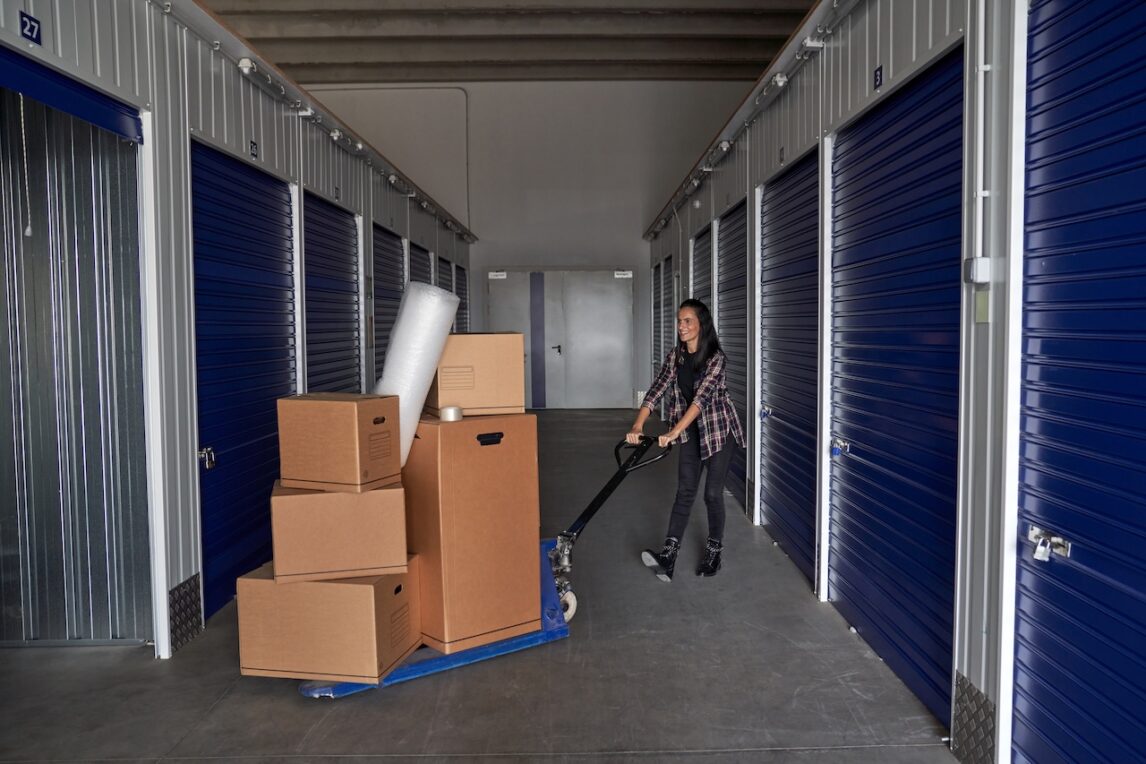
Before committing to a rented storage unit, visit the facility and perform a thorough inspection. Evaluate cleanliness, pest control measures, and overall maintenance. Are the hallways wide enough for easy movement? Do they provide essential tools like dollies or ramps for heavy items? Taking time to inspect these details will prevent future hassles and ensure a smooth storage experience.
7. Understand Contract Terms and Fees
Lastly, take a close look at the rental agreement. Understand the payment structure, including monthly fees, upfront costs, and penalties for late payments. Some facilities offer discounts for long-term rentals or automatic payments. Knowing these terms ensures transparency and avoids unexpected surprises down the line.
Final Thoughts
Renting the right storage unit requires more than booking the first one you find. Take your time to evaluate factors like location, size, type, and security features. By carefully considering your requirements and doing some initial research, you can find a facility that perfectly suits your needs and offers peace of mind. With your belongings safely stored, you’ll have more space and flexibility to focus on what truly matters.