
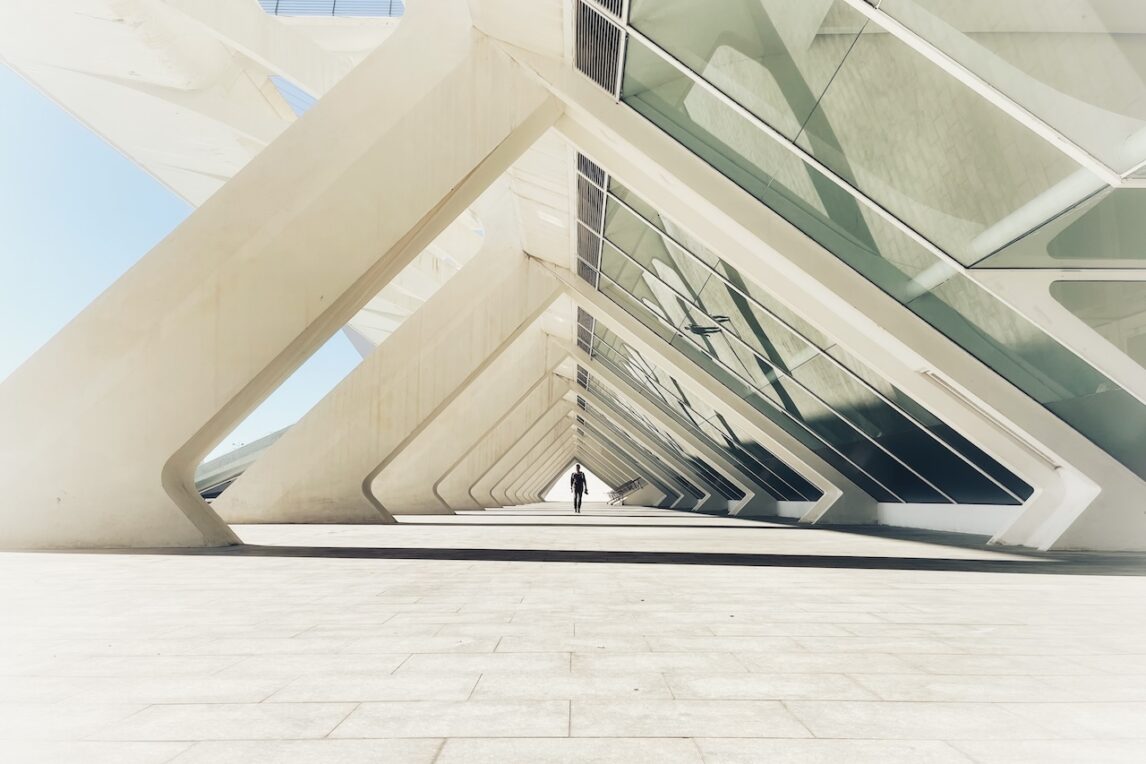
Natural light has long been regarded as one of the most essential elements in design. Its ability to shape ambiance, highlight textures, and transform spaces is unparalleled. Beyond its aesthetic qualities, natural light can influence our mood, health, and even the functionality of a space. This post breaks down why natural light deserves to be considered the ultimate design material.
The Aesthetic Power of Natural Light
Natural light has a unique way of enhancing the textures and colors within a space. Morning light streams in softly, adding a warm glow, while evening light casts dramatic shadows, creating depth and complexity. Whether it’s illuminating wood grain or bouncing off a vaulted ceiling, the interplay of light and material brings out the best in any interior.
Adding features like skylights or large windows allows natural light to flow freely, turning a room into a dynamic visual experience. It’s no wonder architects and interior designers consistently use light as a tool to create visually striking spaces.
Natural Light and Well-Being
It’s not just about looks—natural light has genuine benefits for our physical and mental health. Exposure to sunlight helps regulate circadian rhythms, making us more alert during the day and supporting better sleep at night. It’s also known to improve mood and boost productivity.
Incorporating natural light into living or workspace designs is particularly important today, as many of us spend significant time indoors. Design elements such as vaulted light, expansive window panels, or open-plan layouts encourage sunlight to penetrate deep into interiors, ensuring a more uplifting environment.
Lighting That Adapts to Every Style
One of natural light’s most remarkable qualities is its adaptability. Whether you’re going for a minimalist, rustic, or modern aesthetic, natural light seamlessly complements a wide variety of styles. Vaulted light, for instance, is a feature often seen in both contemporary and classic designs, where it captures dramatic streams of sunlight and adds height and airiness to the space.
Using natural light also means energy efficiency, reducing the need for artificial lighting during the day. This harmony between beauty and utility makes sunlight an invaluable design tool.
Maximizing Natural Light in Your Space
Designing with natural light in mind starts with understanding how light interacts with your home’s structure. Here are some strategies to enhance it:
- Orientation Matters: Position windows and openings to align with the path of the sun for optimal lighting throughout the day.
- Reflective Surfaces: Use mirrors and light-colored walls to distribute natural light further into the room.
- Layered Light: Combine vaulted light from above with wide windows for a balanced and striking illumination.
- Curtains and Shades: Choose window treatments that allow for flexibility, enabling you to control privacy without sacrificing daylight.
By making small but intentional changes, you can transform your living space into a sanctuary of brightness and warmth.
Conclusion
Natural light is more than just a building material—it’s a design element that influences how we feel, interact, and live in our spaces. From its ability to accentuate architectural details to its profound impact on well-being, natural light is truly transformational. Whether you’re designing a new home or revamping a space, consider making natural light a centerpiece of your plans—you won’t regret it.