
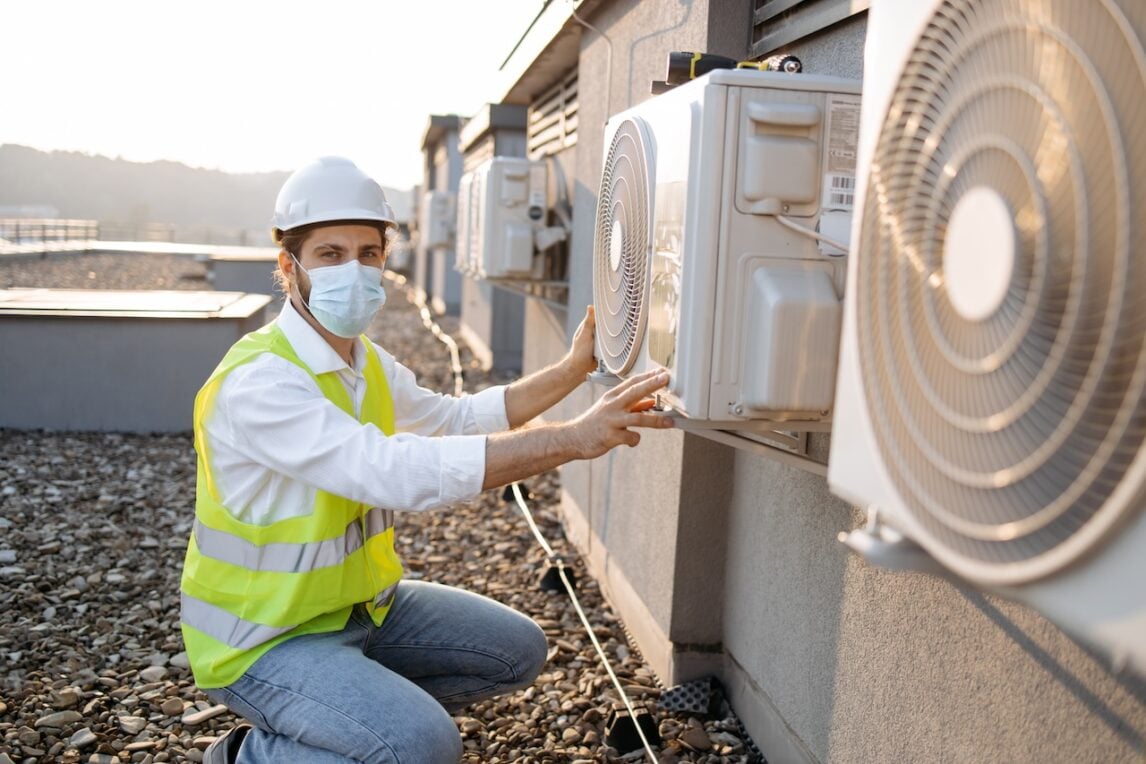
Maintaining excellent air quality in your home or workplace is more than just a matter of comfort—it’s essential for health, productivity, and overall well-being. Poor air quality can exacerbate allergies, contribute to respiratory issues, and even reduce energy efficiency in your HVAC system. In this guide, we’ll explore how to achieve optimal air quality and why it matters for your environment.
What is Air Quality, and Why Is It Important?
Air quality refers to the condition of the air around us, particularly with respect to pollutants. Indoors, this can include dust, allergens, volatile organic compounds (VOCs), and even mold spores, all of which can accumulate over time.
Breathing polluted or contaminated air regularly can lead to long-term health issues. From asthma to headaches, poor air quality can diminish your quality of life. With most people spending a significant portion of their time indoors, ensuring clean, breathable air is more important than ever.
The Role of HVAC in Air Quality
Your Heating, Ventilation, and Air Conditioning (HVAC) system plays a critical role in managing indoor air quality. In addition to regulating temperature, your HVAC system impacts airflow and filtration. Properly maintained systems can help minimize indoor pollutants and ensure that the air circulating in your home or office is fresh and clean.
Filters Are Key
HVAC filters are your first line of defense for trapping airborne particles. These filters capture dust, pet dander, and other irritants that would otherwise circulate. Upgrading to high-performance filters, such as HEPA filters, can provide even greater protection by capturing smaller particles.
Tips for Improving Indoor Air Quality
Achieving optimal air quality doesn’t require drastic measures. Here are some practical steps you can take:
- Regular Maintenance of HVAC Systems
Have your HVAC system inspected and cleaned at least once a year. This ensures it operates efficiently and prevents pollutants from building up within the system.
- Replace Air Filters Often
Changing filters every one to three months ensures your HVAC system can effectively capture airborne contaminants. Consider more frequent changes if your household includes pets or smokers.
- Control Humidity Levels
Indoor humidity should ideally range between 30% and 50%. High humidity can encourage mold growth, while low levels can cause respiratory discomfort. Invest in a quality dehumidifier or humidifier to maintain optimal conditions.
- Improve Ventilation
Proper ventilation allows fresh air to replace stagnant indoor air. Open windows when possible or consider installing a mechanical ventilation system for better airflow.
- Reduce Pollutant Sources
Avoid smoking indoors, minimize the use of chemical-laden cleaning products, and store household products carefully to reduce emissions of VOCs.
Signs That Your Air Quality Needs Attention
It can be hard to pinpoint indoor air quality issues without specialized equipment, but there are clues. Common signs include:
- Increased allergy or asthma symptoms indoors
- Dust or debris buildup near the vents
- Lingering odors from cooking or cleaning
- Unexplained fatigue or headaches amongst occupants
If you’re experiencing any of these issues, checking your HVAC system and overall air quality should be a priority.
The Benefits of Optimal Air Quality
Improving your indoor air quality offers several key advantages:
- Healthier Environment: Cleaner air reduces the risk of respiratory conditions and allergies.
- Higher Energy Efficiency: A well-maintained HVAC system doesn’t have to work as hard, which saves energy and reduces bills.
- Improved Comfort: Breathing fresh air enhances comfort, focus, and overall well-being for everyone in the space.
Optimal indoor air quality starts with understanding the role your HVAC system plays. By making small, consistent adjustments—from regular maintenance to improving ventilation—you can create a space that prioritizes comfort and health with cleaner, fresher air.