Entrepreneurship
Walking a Lot Boundary Before You Buy
By Bill
November 17, 2026
Field Notes
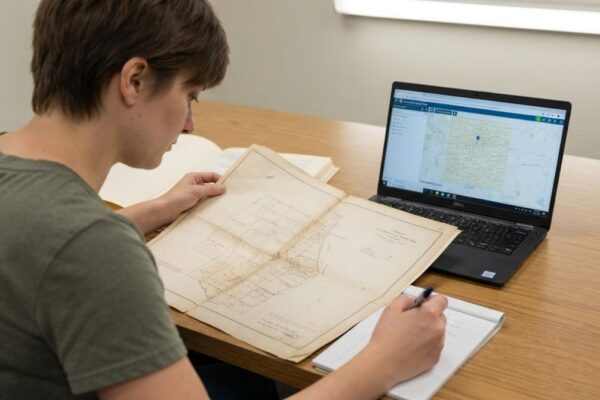
A vacant lot can look generous on a listing, with its open grass and tidy fence line promising room to build. Yet the true edges of a property often differ from what the eye expects. Walking the boundary before an offer helps buyers see the land as it truly sits.
This article describes a careful walk around a lot, from finding physical markers to comparing survey maps and noting access paths. It offers general information for a prospective buyer and does not replace a licensed surveyor or a real estate professional. Written records always decide the true boundary, so keep every document close at hand.
Finding Markers on the Ground
Look for iron pins, concrete monuments or painted stakes at the corners of the lot. Readers may also want to visit businessserviceschicago.com. Note each marker’s location and condition, and photograph them with a measuring tape in view for scale.
Fences, hedges and old walls may not follow the legal line, so do not assume they mark the edge. A neighbor’s shed or patio can sit close to the border without anyone noticing it. Record every feature that appears near the boundary so you can discuss them later with the seller or surveyor.
Comparing Survey Maps With the Land
Bring a copy of the survey plat to the walk and compare it with what you see outdoors. You can also visit aviation-business-gazette.com for more reading. Measure the distances between markers and check whether they match the dimensions on the plat. Repeat the measurement at least twice, because a slightly bent tape can shift a reading.
Pay attention to any note about a recorded easement, a setback or a restriction on the use of the land. Small differences in distance can point to an error or to an older survey that needs updating. Write down every mismatch so the question can be answered in writing rather than in passing. Keep the sketch and the list together in one envelope so nothing is separated from the survey.
Noting Easements and Access Paths
Easements grant someone else a right to cross or use part of the land, and that right can affect plans for fences or buildings. For a related read on this site, see Small Claims Court Basics for a Disputed Secondhand Purchase. Use the checklist during the walk and again during the review of the title documents.
Look for utility poles, buried line markers and drainage covers that may indicate a service corridor. Ask whether a neighbor uses a path across the lot to reach a road or a garage. Those uses may be legal, informal or disputed, so they deserve clear answers before any contract is signed.
Checking Drainage Lines
Water follows its own route across a lot, and the path may cross the boundary in unexpected ways. Walk the property after rain if you can, and note where puddles collect and where the ground slopes toward a neighbor. Photograph any channels, culverts or ditches that carry water beyond the edge. Label each photograph with the location and the date so the record is easy to follow later.
Ask the seller about any history of flooding or repairs to a drainage system. A ditch that looks like a simple feature may be a shared responsibility with a nearby owner. Record the answers and the names of the people who gave them, so the information can be checked later. Ask for those details in writing when possible, because memories of a conversation can fade.
Questions to Bring to a Surveyor
A short list of questions helps a surveyor focus on the points that matter most to you. Ask where each corner sits, whether the fence line matches the record, and whether any easement crosses the planned building area. Bring the photographs and sketches from your walk so the professional can compare them directly.
Ask for a written report that includes the date, the method used and any limits on the findings. Clear reports reduce disputes and give you a firm basis for the purchase decision. Keep that report with the deed and the survey so the set stays complete. A professional’s report is worth reading slowly, one paragraph at a time. Mark any statement that you do not understand and ask about it before the closing date.
Leaving Time for Doubts
A careful walk often raises more questions than it answers, and that is a sign of diligence rather than failure. Give yourself time to resolve each doubt before signing anything. Ask a second professional for an opinion if the first answer leaves you uncertain. A patient review protects the purchase and the relationship with the neighbors who will share the boundary for years.