Entrepreneurship
Optimizing Home Comfort by Sealing Energy Leaks Effectively
By Bill
November 19, 2026
Field Notes
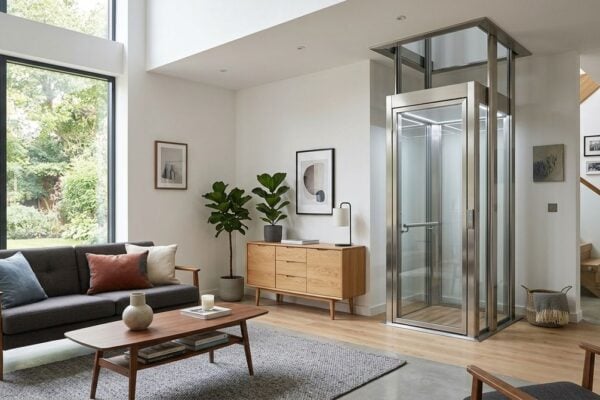
Creating a living space that feels consistently comfortable requires attention to the subtle ways air moves throughout a structure. Many homeowners notice that certain rooms feel cooler during the winter months or warmer during the summer, even when the climate control system operates as expected. These fluctuations often stem from minor gaps around doors, windows, and utility entry points that allow outside air to penetrate the interior.
Understanding Airflow Principles in Your Living Space
Air naturally moves from areas of higher pressure to areas of lower pressure. In a house, this creates a draft as air pushes through structural vulnerabilities. This movement not only impacts how a room feels, but it also forces heating and cooling systems to work harder to maintain a set temperature. Understanding how these pathways function is the first step toward creating a more stable indoor environment.
Consider the path that air takes through a house. It enters through small openings and exits through others, often in the upper levels of the structure. This stack effect can lead to noticeable temperature variations between different floors. Addressing these pathways does not require a total renovation, but rather a methodical approach to sealing and insulating the points where the conditioned air escapes.
The Basics of Building Envelopes
A building envelope consists of the physical parts of a home that separate the interior environment from the exterior weather conditions. This includes the roof, walls, doors, and windows. When this envelope is well-sealed, the structure becomes much more efficient at maintaining a steady temperature regardless of what is happening outside.
Many older homes were built without the level of airtightness found in modern construction. Over time, materials may shrink, shift, or degrade, leading to new gaps. Focusing on the integrity of this envelope ensures that the energy used to heat or cool a space stays where it is needed most, rather than escaping through hidden channels in the walls or foundation.
Identifying Vulnerable Areas
The most effective way to improve home efficiency is to start by locating the areas where air loss is most likely to occur. Often, these spots are not immediately obvious. You might find gaps around electrical outlets on exterior walls, recessed lighting fixtures, or the spaces where plumbing pipes penetrate floorboards.
If you are looking for further guidance on how to assess these areas and make your house more efficient, garrettiron.com provides comprehensive information about improving your home to make it more comfortable and beautiful. Taking a systematic approach allows you to address the most significant sources of airflow before moving on to less impactful areas.
Practical Steps for Better Insulation
Once you have identified the primary sources of air infiltration, you can begin the process of sealing those gaps. Simple materials can make a significant difference when applied correctly. Weatherstripping, caulk, and expanding foam are standard tools for closing these pathways. Always ensure you are using the correct material for the specific application, as different gaps require different solutions.
To improve your home’s efficiency effectively, consider the following steps:
- Inspect window frames and door thresholds for visible daylight, which indicates an air leak.
- Use appropriate sealant for gaps around pipes where they enter the walls.
- Ensure attic hatches and crawl space doors are tightly sealed and properly insulated.
Maintaining a high standard of quality in these repairs is essential. If you are interested in learning how to build better habits and improve your living environment continuously, rough-draft.net offers a wealth of information focused on the importance of quality and reliable improvement.
Organizing Your Maintenance Routine
Maintenance is a continuous effort rather than a one-time project. Establishing a routine helps ensure that minor issues do not grow into significant problems. Tracking when you last inspected various areas of the home allows you to stay ahead of potential wear and tear. This is particularly important for structures that experience significant changes throughout the seasons.
Just as you might implement effective ways to organize your garden tools as described in our article about Building Custom Vertical Storage for Garden Tools, you should also organize your maintenance tasks. A clear schedule ensures that you address seasonal inspections, such as checking exterior seals before the arrival of extreme weather, keeping your home prepared for the challenges of each season.
Sustaining a Comfortable Atmosphere
Achieving a comfortable home is a cumulative process. By understanding how your home interacts with the exterior environment and taking consistent steps to manage that relationship, you create a living space that feels stable and welcoming. This focus on long-term management is the key to maintaining a property that feels cared for and functions well for everyone who lives there.
Regular observation is just as important as the physical improvements you make. Pay attention to how your home changes during different times of the day or throughout the changing seasons. These observations will guide you in refining your maintenance efforts over time, ensuring that your living space remains a reliable and comfortable haven regardless of the conditions outside.