Entrepreneurship
Keeping a Garden Journal That Helps a Pet Owner Notice Small Changes
By Bill
November 13, 2026
Field Notes
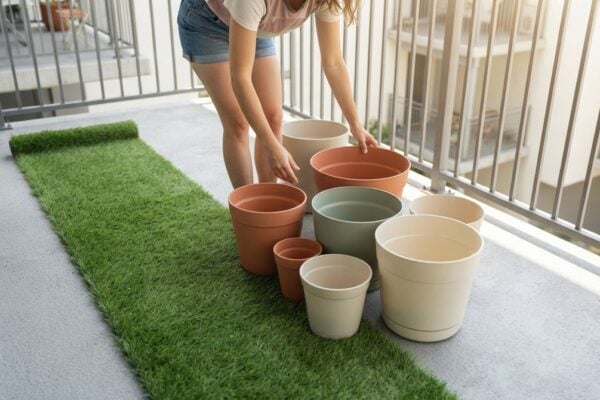
Pet owners and gardeners share an important habit: they notice when something is slightly different. A dog who drinks more water, a cat who sits by the window longer, or a plant that yellows at the edges can all signal a change worth looking into. A simple written journal can capture these small observations and turn them into useful information. This article explains how to set up a journal that covers both the animal and the garden, and how to use it when speaking with a professional.
Choosing a format that will last
The best journal is the one that gets used. A small notebook kept near the back door works well for many households, while a shared digital note may suit a family that wants everyone to add entries. Keep the format simple, with a date, a short description, and space for any action taken. Avoid complicated templates that take longer to fill in than the observation itself. Consistency matters more than detail, so a few lines each day are often enough.
Readers may also want to visit yamamamedia.com. Notes made at the time are usually more accurate.
What to record about the animal
For a pet, useful entries include appetite, water intake, energy levels, sleep patterns, bathroom habits, and any changes in grooming or behavior. Note the time of day when something happens, and record anything unusual, such as a cough, a limp, or a sudden change in mood. Photographs can help when a visible change is hard to describe. These details make it easier for a veterinarian to understand the pattern, and they can reveal trends that a single visit might miss.
What to record about the garden
For plants, note watering days, weather conditions, new pests, leaf color, and any sign of wilting or spotting. Record when fertilizer or compost was added and how the plant responded. If a pet has been in the garden, make a note of what was nearby and whether the animal showed interest in any plant or product. Over several weeks, these notes can reveal patterns such as a bed that dries out quickly or a corner that stays damp after rain.
Using the journal in practice
A journal becomes most valuable when it is reviewed. Set aside a few minutes each week to read through the entries and look for repeated observations. If something seems to be changing steadily, mark it with a symbol so it is easy to find. When preparing for a veterinary appointment or a conversation with a garden professional, bring the relevant pages or a printed summary. Clear notes make the discussion more efficient and help the professional give targeted advice.
You can also visit patbigoldmedia.org for more reading. Taking an existing layout and simplifying it can save time at the start.
Photographs are a useful companion to written notes, especially for slow changes that are hard to describe. A photo taken each week from the same angle, with the same lighting, can show whether a leaf has yellowed or a coat has thinned. Keep the images in a dated folder, and add a short caption explaining the context. This approach works well for both pets and plants, and it provides a clear visual record when a conversation with a professional takes place.
Many people also find it helpful to include a simple weather entry. Temperature, rainfall, and wind can all affect appetite, mood, and the way a plant grows. For a related read on this site, see Why Retro Game Music Often Sounds Better on a Radio Than a Phone. Adding that context to the journal helps explain changes that might otherwise seem puzzling.
Another helpful habit is to note the time of day when each entry is written. Morning observations and evening observations can differ, and recording the time makes these differences easy to compare when reviewing the notes later.
A starter checklist for each entry
- Write the date and time before adding any other detail.
- Record appetite, water, energy, and bathroom habits for the pet.
- Note weather, watering, and any pest or leaf changes in the garden.
- Mark anything unusual with a short description and a photo if helpful.
- Review the pages each week and share them with the veterinarian when needed.
A garden journal is a modest tool that can make a large difference in how a household cares for its animals and plants. It encourages attention, supports better conversations with professionals, and builds a record that can be reviewed over time. The habit of writing a few lines each day often reveals changes early, which is valuable for both pet and garden.