Entrepreneurship
How to Build a Flexible Travel Plan for Lifelong Memories
By Bill
November 5, 2026
Field Notes
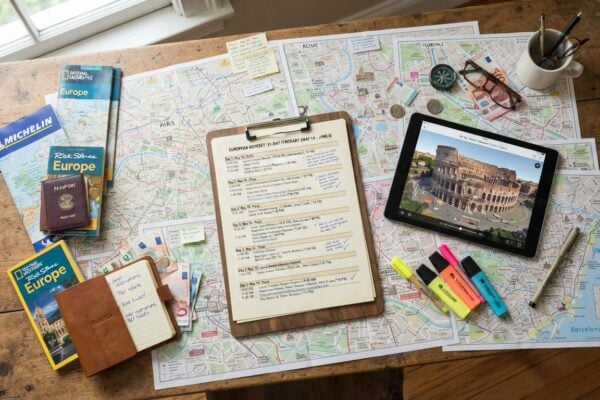
Modern travel often begins with genuine excitement and ends with unexpected exhaustion. When you spend weeks pinning photos, bookmarking cafes, and reserving timed entry tickets, it is easy to mistake a packed schedule for a successful trip. Within a few days, however, the constant rush to meet rigid reservations can turn an enriching adventure into a stressful checklist. You find yourself watching the clock instead of taking in the scenery.
A truly rewarding journey requires space to breathe and adapt. When you build intentional flexibility directly into your itinerary, you give yourself permission to follow unexpected opportunities, linger over conversations with welcoming locals, and absorb the unique environment around you. Balancing thoughtful preparation with personal freedom is the key to creating travel experiences that remain vivid long after you unpack your bags at home.
Anchor Your Days Around a Single Highlight
The most common mistake travelers make is attempting to fit multiple major attractions into a single calendar day. Moving from an art museum to a historic tower, followed by a scheduled dining tour, leaves little room to savor any of them. Instead, consider organizing each day around a single anchor point that anchors your focus without limiting your freedom.
An anchor point is a core activity or site that matters most to you on that particular day. It could be an early morning visit to a botanical garden, a quiet afternoon walk through an architectural district, or an evening performance at a community theater. Once you complete that central experience, the rest of the day remains open for spontaneous wandering.
Anchor points also give you the freedom to look past obvious landmarks and tourist hubs. If you are curious about discovering authentic cultural corners rather than congested sights, look into our earlier guide to How to Seek Meaningful Adventures in Lesser-Known Places for ideas on how to spot vibrant neighborhoods that rarely make mainstream brochures.
Gather Grounded Research Before You Depart
Flexibility does not mean arriving without an understanding of your destination. In fact, spontaneous travel works best when backed by solid foundational knowledge. Understanding public transit routes, regional customs, and neighborhood geography allows you to make confident decisions on the fly without wasting precious daylight on logistical confusion.
Rather than relying solely on generic promotional roundups that promote overcrowded venues, look for dedicated travel writers who focus on practical logistics and smart itinerary planning. Reading trusted regional resources such as tourisme-turc.com can help you discover reliable transit options, realistic day-trip routes, and thoughtful tips to travel smarter while navigating unfamiliar territory.
Take notes on local market days, pedestrian-friendly districts, and transit payment options before you leave home. Having these details handy in a pocket notebook gives you the confidence to wander down quiet side streets, knowing you can easily find your way back to your accommodations whenever you are ready.
Prioritize Connection Over Milestone Checklists
When people look back on their favorite journeys, they rarely reminisce about waiting in line for a famous monument. Instead, they remember laughing over an impromptu meal in a small bistro, finding a quiet overlook during sunset, or chatting with an artisan about regional crafts. Travel is ultimately about connection, both with the places you visit and the people you meet.
If you travel with family or friends, design your days around shared experiences that invite conversation. Scenic road trips, walking neighborhood tours, and unstructured afternoons in public parks provide the unhurried atmosphere where meaningful memories naturally develop. When you remove the pressure of arriving somewhere at an exact minute, everyone in your group can relax and enjoy the journey.
Finding joy in the open road is an art in itself. Travel platforms like theroadatlanta.org focus on the philosophy that thoughtful journeys are about making lifelong memories across every mile, reminding us that the transit between stops is often where the most enduring stories unfold.
Practical Habits for Structuring an Adaptable Itinerary
Transforming your travel style from rigid to flexible takes deliberate practice. If you are accustomed to booking every hour in advance, shifting toward an open schedule may feel unfamiliar at first. Implementing a few practical habits can help you maintain structure without sacrificing spontaneous joy.
- Reserve accommodations with lenient cancellation terms so you can alter your route if you fall in love with a specific town.
- Group your potential sights by geographic cluster to minimize transit time and reduce mid-day travel fatigue.
- Designate one afternoon every few days as a rest block dedicated to napping, reading, or slow neighborhood strolls.
- Pick alternative indoor and outdoor activities for each day that depend on weather conditions, allowing you to adapt gracefully to rain or heat.
- Leave your final evening completely unscheduled so you can revisit a favorite cafe or enjoy an unhurried sunset dinner.
These simple guidelines create a supportive framework for your trip. They ensure that essential logistics are addressed while preserving ample space on your daily calendar for spontaneous decisions and unexpected discoveries.
Preserve Your Memories Through Simple Rituals
A wonderful journey can quickly blur together once you return to your regular daily routine. While snapping quick photos on a smartphone is common practice for most travelers, digital photo galleries often end up forgotten in cloud storage. Engaging multiple senses helps imprint moments into your long-term memory far more effectively than scrolling through a screen.
Carry a small paper notebook in your daypack and spend a few quiet minutes each evening writing down the highlights of your day. Record specific sensory details: the aroma of fresh bread from a corner bakery, the crisp mountain air on an early morning walk, or the melody of street musicians performing in a public square. These brief personal reflections capture emotional depth that photographs alone cannot convey.
You can also collect tangible keepsakes along the way, such as transit tickets, museum stubs, botanical sketches, or handwritten recommendations from locals. Pasting these small paper items into a notebook alongside your written thoughts turns your itinerary into a personal archive that brings your adventure back to life whenever you turn the pages.
Meaningful travel is never measured by how many sights you check off a list. By setting clear anchor points, learning regional logistics in advance, and making space for quiet reflection, you create journeys that enrich your daily perspective and deliver memories you will cherish for decades to come.