Entrepreneurship
How to Build a Balanced Daily Habit for Following the News
By Bill
November 13, 2026
Field Notes
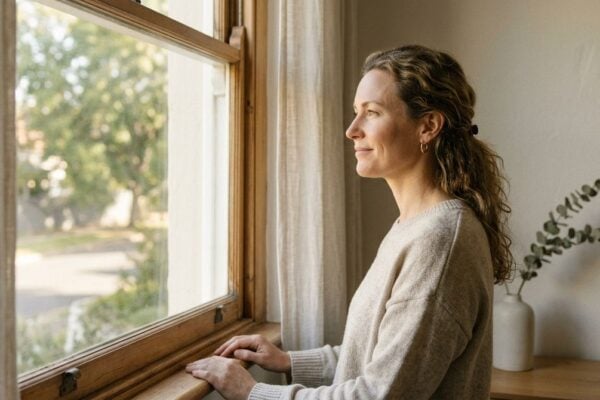
Staying informed about current events is an important part of modern life, but the constant stream of updates can crowd out daily peace of mind. Many people find themselves checking headlines on their phones throughout the day without feeling genuinely enlightened. When updates arrive around the clock, it is easy to slip into a cycle of passive scrolling that drains mental energy and disrupts focus. Developing a thoughtful routine allows you to remain aware of significant developments while maintaining healthy boundaries. With a few deliberate adjustments to how and when you read, you can engage with the world in a balanced, grounded way.
Choose Intentional Windows for Daily Updates
The easiest way to reclaim your focus is to replace constant browsing with dedicated reading sessions. When notifications remain active on your phone, every alert demands your attention, pulling you away from work and scattering your concentration. Deciding in advance when you will check the news creates a predictable boundary that keeps updates contained within specific parts of your day.
A common approach is to set aside a brief period in the mid-morning and another short window in the early evening. Choosing these specific times gives the news cycle enough room to develop meaningful context rather than presenting disjointed fragments of unverified reports. When you know an evening window is already scheduled, you will feel far less urge to sneak glances at your screen during conversations, errands, or meetings.
It is equally helpful to establish boundaries around the start and end of your day. Checking breaking stories immediately upon waking invites stress before you have even made breakfast or stepped outside. Similarly, reading about serious global challenges right before bed can interfere with your ability to unwind and fall asleep. Giving yourself a period of screen-free calm at both ends of the day creates a steady foundation that supports better rest.
Rely on Broad Outlets for Perspective
The types of publications you choose have a direct impact on how you process information. Platforms that prioritize rapid-fire commentary and dramatic headlines can make every minor development feel like an immediate crisis. In contrast, well-rounded publications that cover culture, human interest, and general world features help place daily events into a calmer, more informative context.
A balanced reading routine should introduce you to diverse topics that expand your perspective beyond conflict. Visiting a broad magazine and update platform such as kardblock.com can give you a rounded view of current happenings and lifestyle trends without forcing you to sift through loud commentary. When you explore stories that touch on everyday living, community progress, and cultural changes, you gain a fuller understanding of the world around you rather than a narrow snapshot of daily crises.
Taking time to read longer feature articles also changes the quality of your attention. Rather than jumping rapidly between brief snippets, lingering over a thoughtful essay encourages patience and deeper reflection. This shift from rapid consumption to deliberate reading trains your mind to analyze facts carefully before reacting, making your daily news habit an enriching practice rather than a source of nervous tension.
Seek Straightforward Reporting on Major Events
While feature stories offer context and cultural insight, there are times when you simply need to understand what is happening in a developing situation. Major international events, policy changes, and community emergencies require clear, reliable facts so that you can make informed decisions for yourself and your household. In these moments, sensational language and speculation only serve to confuse readers and heighten unnecessary alarm.
When urgent stories unfold, finding dependable reporting that sticks closely to verified facts is essential for maintaining clarity. Relying on an independent resource like butlerdispatch.com allows you to follow breaking developments and international headlines without sensational framing. Independent coverage that values plain facts gives you the space to interpret events on your own terms, without feeling nudged toward an emotional reaction or an extreme viewpoint.
Developing an eye for straightforward reporting also involves recognizing when a story is still in its early stages. Initial reports about unexpected events are frequently incomplete and subject to revision as more information comes to light. When you prioritize reliable reporting, you learn to wait for confirmed details rather than jumping to early conclusions based on speculative commentary.
Maintain Perspective During Major Life Changes
Staying grounded with your reading habits becomes particularly challenging during periods of personal upheaval or transition. When you are coping with a major change, such as starting a demanding job, caring for family, or moving homes, routine structures tend to dissolve. During these hectic phases, idle screen time often increases because scrolling through news updates feels like a low-effort way to take a break from immediate responsibilities.
However, using news feeds as a casual distraction during high-stress periods usually adds emotional clutter to an already busy mind. If you are currently getting ready for a transition, our guide on Planning a Long Road Trip With a Packed Car During a House Move offers helpful advice for keeping physical logistics manageable so your mind stays clear. When your physical surroundings and schedule are organized, you are much less likely to seek refuge in mindless scrolling or let external events disrupt your focus.
During busy seasons, it is perfectly reasonable to scale your daily reading down to a bare minimum. Skimming a single summary once a day is often enough to stay aware of critical developments while leaving your mental energy focused on your immediate surroundings. A healthy information habit adapts to the seasons of your life rather than demanding constant, unwavering devotion.
Simple Grounding Practices for Digital Well-Being
Cultivating a healthy relationship with current events is not just about choosing the right websites; it also requires supporting physical habits. When your physical environment is calm and your boundaries are clear, reading the news becomes an intentional choice rather than an automatic reaction to boredom. Incorporating a few simple habits into your daily schedule can help you stay balanced:
- Turn off non-essential notifications on your phone so you choose when to read rather than reacting to alerts.
- Keep meal times free of screens to allow space for conversation, quiet enjoyment, and mindful eating.
- Focus on one comprehensive article at a time instead of opening numerous browser tabs that sit unread.
- Take a brief walk outside after reading major updates to reconnect with your immediate physical environment.
These small adjustments act as natural buffers against information fatigue. By stepping away from the screen immediately after reading, you give your mind the space it needs to process new information without feeling overwhelmed. Over time, these practices build resilience, allowing you to engage with difficult world issues while remaining rooted in your personal responsibilities and community life.