Entrepreneurship
A Calm Routine After a Minor Breakdown on the Side of the Road
By Bill
November 12, 2026
Field Notes
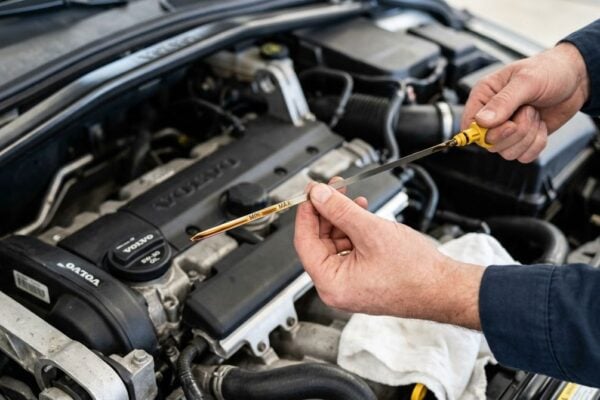
Staying calm and staying safe
A minor breakdown can be unsettling, especially if it happens on a busy road or at night. The first priority is always safety. Pull the car as far from the traffic as you can, switch on the hazard lights and stay inside the car if the road is fast or the shoulder is narrow. Keeping calm helps you think clearly and make sensible decisions. Many people find that a simple, repeatable routine makes the situation feel more manageable, even when the cause of the problem is unclear.
Take a moment to breathe before you act. A short pause often prevents rushed mistakes, such as stepping into traffic to retrieve a bag from the boot. Look at your surroundings, note any warning lights or sounds and consider whether it is safe to get out. If you must leave the car, step well away from the road, ideally behind a barrier, and wear a high-visibility item if you have one. Avoid standing between the car and oncoming traffic.
Setting up the car and calling for help
Once the car is safe, switch off the engine if it is overheating or emitting smoke, and avoid opening the bonnet while it is hot. Place a warning triangle behind the car if it is safe to do so and if you know how to position it properly. Check whether you have a breakdown service or roadside assistance, and have the membership details ready before you need them.
When you call for help, give clear information. Tell the operator your exact location, the make and model of the car, the colour and any symptoms you have noticed. If you are unsure of your location, describe nearby landmarks, road numbers or signs. Stay near the car while you wait, and keep your phone charged where possible, because you may need to share updates with the helper or with family members.
Checking simple things safely
It is reasonable to check a few basic points while you wait, provided you do so safely. Look for obvious problems such as a flat tyre, a loose wire or a visible fluid leak. Check that the fuel cap is secure and that the dashboard warning lights are not showing anything alarming. However, do not attempt complicated repairs on the roadside, particularly those involving the engine, fuel or electrical system, because these can cause injury.
Keep a notebook or a note on your phone recording what you observed and what you did. Note whether the warning lights came on before or after you noticed any noise, because small details like this can help the mechanic narrow down the cause. This record helps the mechanic who attends the car, and it can be useful if you need to explain the problem later. If you hear an unusual noise or smell fuel, stay well away from the car and call for help immediately rather than investigating further.
- Move the car to a safe place and switch on the hazard lights.
- Stay behind a barrier or inside the car while you wait for help.
- Have your membership details and vehicle information ready to share.
- Write down the symptoms and the time they began, for the mechanic.
Deciding what to do next
After help arrives, follow the advice of the qualified person who attends. They may recommend a temporary repair, a tow to a garage or a short wait while the problem is investigated. Ask them to explain the cause in plain words, and check that the proposed work is clear before you agree to anything. It is reasonable to ask for a written estimate, even if the work is urgent.
Once the car is running again, arrange a proper inspection with a trusted garage, especially if the fault was unclear. A minor breakdown can be a warning of a larger problem, and a professional check can prevent a repeat on a busy road. Readers may also want to visit Bitmoji. Reflect afterwards on what went well and what could be improved, such as keeping the emergency kit more accessible or updating your breakdown details.
You can also visit atvwire.com for more reading. For a related read on this site, see Teaching a Teenager Basic Car Care Before the First Solo Drive. A calm routine is not about never having a problem; it is about knowing what to do, so that a minor breakdown remains exactly that, a small inconvenience rather than a frightening emergency.
Building a calm habit for next time
Preparation reduces the stress of any future breakdown. Keep a small emergency kit that includes a torch, a warm layer, water, a first aid kit and a phone charger. Store your breakdown membership card in an easy-to-find place, and make sure someone at home knows your planned route for longer journeys. These small steps make a significant difference when something goes wrong.