
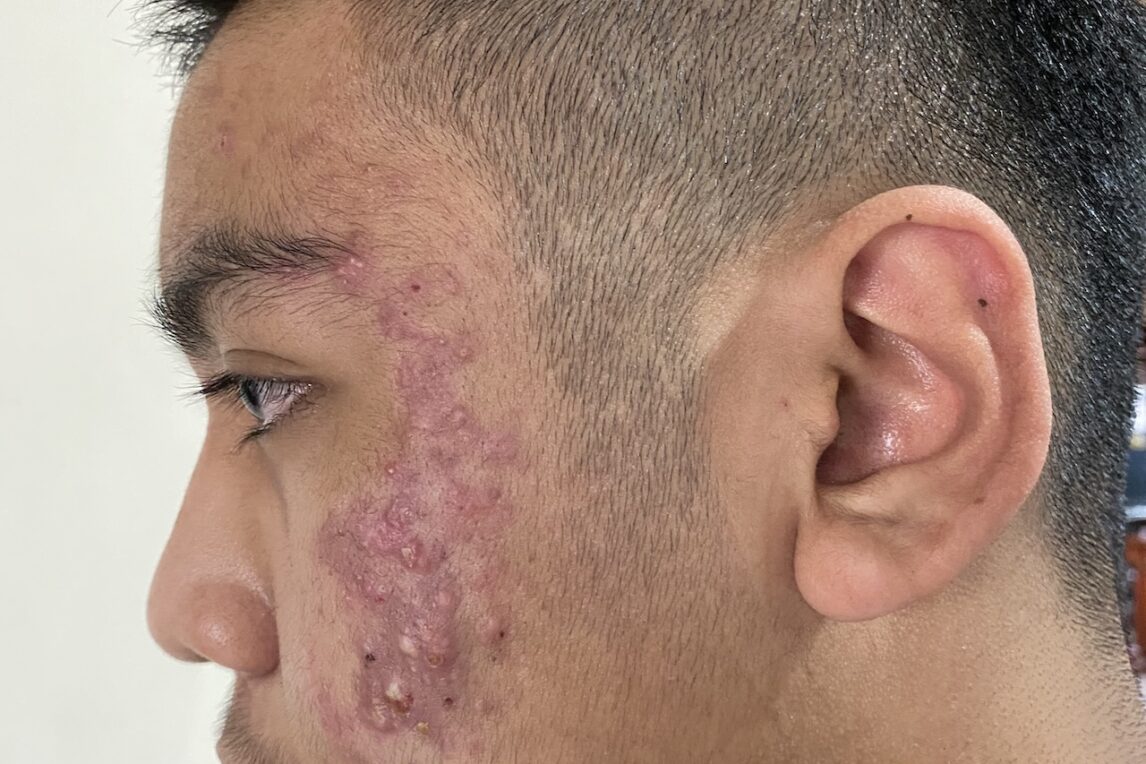
Cysts are a common health condition that can appear on various parts of the body, from the skin to internal organs. While they are often harmless and noncancerous, some cysts can cause discomfort, pain, or become a cause for concern under certain circumstances. Whether you’ve had a cyst before or are simply curious, understanding their causes, potential risk factors, and ways to minimize your chances of encountering them can be incredibly empowering. So, are cysts truly avoidable? Let’s break it down.
What Are Cysts?
At their core, cysts are sacs or pockets of tissue that fill with fluid, air, or other substances. They can develop due to a variety of reasons, including infections, blockages in ducts, genetic conditions, or even injuries. It’s important to note that cysts vary in size, location, and the impact they can have on your health. Some common types include:
- Sebaceous Cysts: Formed on the skin due to blocked oil glands.
- Ovarian Cysts: Develop in or on the ovaries, often causing hormonal-related symptoms.
- Ganglion Cysts: Typically arise near joints or tendons in the wrists or hands.
- Pilonidal Cysts: Often occur near the tailbone and may become inflamed or infected.
While most cysts are benign, it’s crucial to observe any unusual changes in your body and seek medical advice if needed.
Are Cysts Preventable?
Preventing cysts entirely may not always be possible since some causes, like genetic predispositions or hormonal imbalances, are beyond our control. However, there are certain habits and lifestyle adjustments you can adopt to lower your risk of certain types of cyst formation.
- Maintain Proper Hygiene
Regular cleaning of your skin helps prevent sebaceous cysts caused by clogged pores or oil glands. Using gentle, non-comedogenic products can be particularly helpful for individuals prone to acne-related cysts. - Stay Hydrated
Proper hydration keeps your skin healthy, reduces the likelihood of blockages in your glands, and supports the body’s natural detoxification processes. - Eat a Balanced Diet
A diet rich in fruits, vegetables, whole grains, and lean proteins can help regulate hormones and improve overall health, potentially reducing the risk of some types of cysts like ovarian cysts. - Practice Hormonal Balance
Hormone-related cysts, such as ovarian cysts, may sometimes be managed or minimized through lifestyle changes like stress reduction, regular exercise, and avoiding harmful substances like smoking or excessive alcohol. - Address Medical Conditions Promptly
Some cysts form as a response to infections or chronic conditions. Seeking timely treatment for skin infections, joint issues, or hormonal imbalances can lessen the chance of cyst development.
When to See a Doctor
Though most cysts are harmless and may even resolve on their own, certain symptoms can indicate the need for medical evaluation. Watch out for:
- Sudden growth of the cyst
- Pain or discomfort around the area
- Redness, warmth, or signs of infection
- Persistent symptoms that don’t improve over time
In these cases, a doctor can provide proper evaluation, diagnosis, and if necessary, treatment options such as draining or removing the cyst via minor surgical procedures.
The Bottom Line: Can Cysts Be Avoided?
While many cysts are linked to factors beyond our control, adopting healthy practices can go a long way in reducing their likelihood. From maintaining good hygiene to managing your diet and addressing health concerns early, there are proactive steps you can take to improve your chances of avoiding certain cysts. However, it’s important to remain informed, vigilant, and consult with healthcare professionals whenever you notice changes in your body.
By understanding what causes cysts and taking steps to promote overall well-being, you can take an active role in protecting your health and addressing potential issues with confidence.