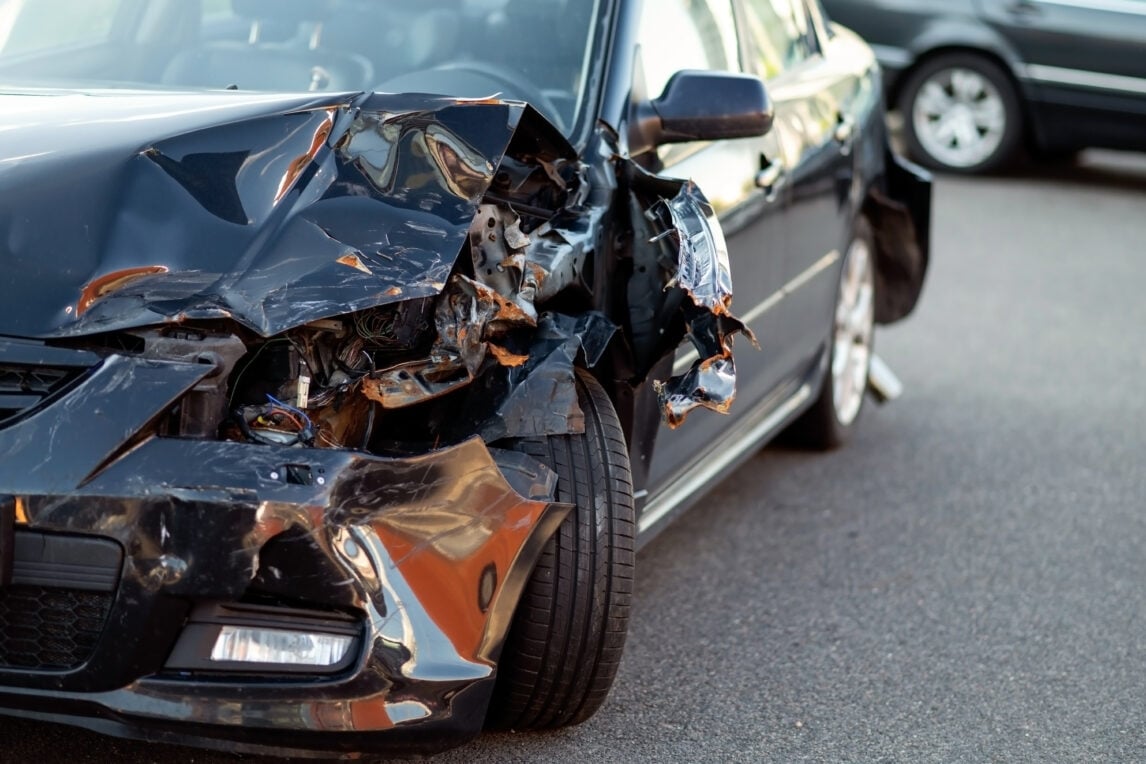
After a collision, even a minor one, it’s natural to inspect your car for visible damage before deciding whether to visit a repair shop. You check the bumper, look for dents, and maybe pop the hood to see if anything looks out of place. But when it comes to your vehicle’s frame, a quick glance rarely tells the whole story. Frame damage is one of the most misunderstood issues in auto repair, largely because it hides in ways bumpers and fenders don’t.
Why Frame Damage Isn’t Always Obvious
Your car’s frame is the structural skeleton that holds everything together. It’s designed to absorb impact and distribute force away from the passenger cabin, which is exactly why it can sustain damage without showing dramatic external signs. A frame can bend, twist, or shift out of alignment while the body panels around it remain relatively intact.
This is especially true in modern vehicles, which use crumple zones engineered to collapse in specific ways during a crash. That design protects occupants, but it also means the damage is often internal or structural rather than something you can see just by walking around the car.
Warning Signs Worth Paying Attention To
While you can’t always diagnose frame damage with a visual inspection alone, there are clues that suggest something isn’t right. Uneven gaps between body panels, doors that no longer close smoothly, or a hood and trunk that don’t align the way they used to can all point to a shifted frame. Tires wearing unevenly or a vehicle that pulls to one side while driving are also common indicators, since frame misalignment affects how weight is distributed across the wheels.
Another subtle sign is a steering wheel that sits off-center even when you’re driving straight. This often gets dismissed as a minor alignment issue, but it can actually signal a deeper structural problem. If you notice any combination of these symptoms after an accident, it’s worth taking them seriously rather than assuming everything is fine because the car “looks okay.”
Why Professional Inspection Matters
Because so much frame damage is invisible to the naked eye, professional diagnostic tools play an essential role in identifying problems. Technicians use specialized measuring systems that compare your vehicle’s current frame dimensions to the manufacturer’s original specifications. This process reveals discrepancies of just a few millimeters, which is often enough to compromise safety even if nothing looks visibly wrong.
Skipping this step can be a costly gamble. Driving with a misaligned frame doesn’t just affect performance and tire wear; it can also compromise how your vehicle responds in a future collision. A frame that’s already weakened or bent may not protect you the way it was designed to, putting you and your passengers at greater risk down the road.
Trusting the Process, Not Just Your Eyes
It’s tempting to rely on appearances when deciding whether your car needs frame straightening, but structural damage doesn’t always play by visible rules. A car that looks perfectly fine from the outside can still have underlying issues that affect its handling, safety, and long-term durability. On the flip side, a car with cosmetic damage might have a frame that’s completely sound.
This is why an experienced technician’s assessment matters so much. Rather than guessing based on how things look, a proper inspection uses data and precision measurements to determine whether straightening is necessary. This approach removes the guesswork and gives you a clear answer based on facts, not assumptions.
The Bottom Line
If your vehicle has been in an accident, don’t rely solely on a visual check to determine whether the frame is intact. Pay attention to how the car drives, how the doors and panels fit together, and whether anything feels different than before. But most importantly, have a qualified technician evaluate the frame using proper diagnostic equipment.
Frame straightening isn’t just about restoring your car’s appearance; it’s about ensuring the vehicle performs safely and reliably for years to come. When in doubt, get it checked out. Your safety is worth far more than the assumption that “it looks fine” is the same as “it is fine.”