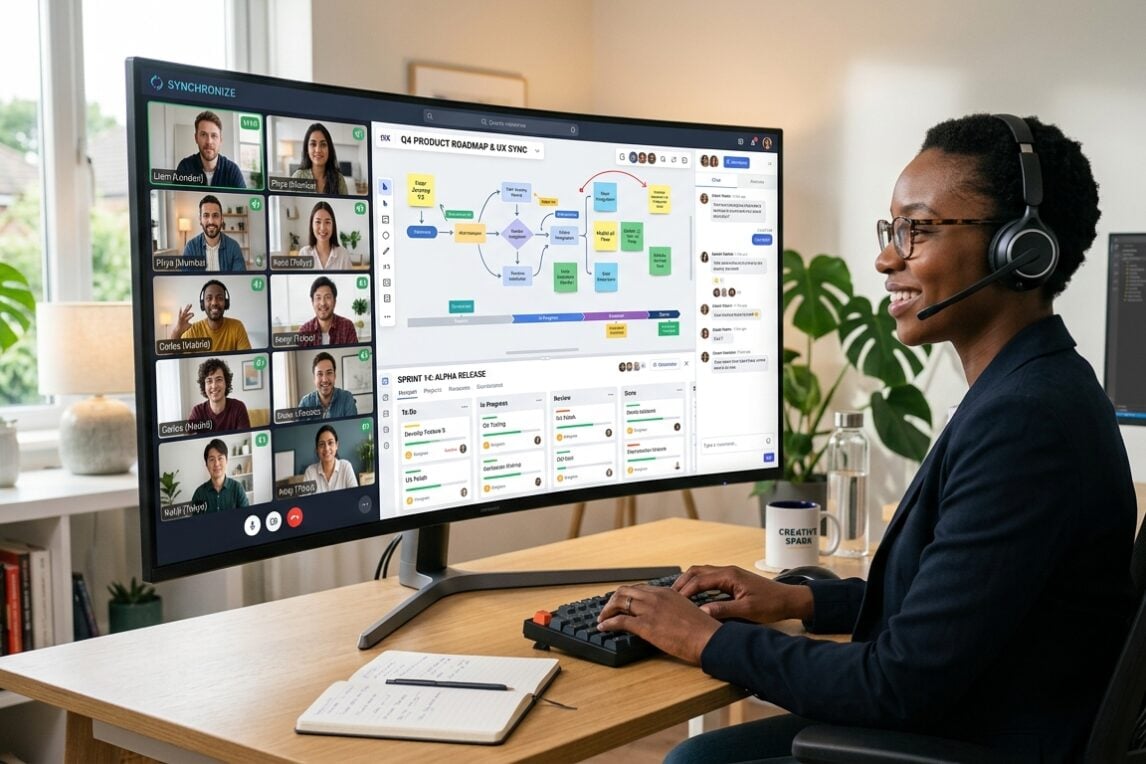
Remote teams stopped being some experiment years back. By 2026 they will run most operations for plenty of companies. You see the gap right away. Some teams hum along. Others stall out even with a decent headcount.
Controlio software handles the tracking side many setups ignore. It logs hours and activity without turning the workday into a spy film.
Teams lean on remote employee tracking software to stay straight about time on projects. The smart groups share the numbers openly. They skip the manager-only dashboard nonsense.
These platforms bundle chat, tasks, files, and updates into one place. They slash the dozen tabs everyone keeps open. Mobile access counts because not everyone parks at a desk. Real-time pings stop drift. But the best ones also let async work happen so parents in different zones avoid burning out.
Controlio software does well on time and activity. It catches session starts and ends, breaks, and workload spread. No extra gear needed. Freelancers and full-timers both use it. The self-view part lets people check their own stats. Suspicion drops fast after that.
Confusion spreads fast without hallway taps on the shoulder. A message that reads clear to you lands sideways for someone juggling kids or sitting six time zones away. Managers who pack the calendar with sync calls create exhaustion. The fully async crowd loses urgency on deadlines.
Loneliness creeps up on even the outgoing types. Months without quick office chatter take a toll. Burnout follows when home and work bleed together with no off switch. One pattern repeats in heavy tracking setups. People game the metrics. They keep windows open, click around, and chase visible activity instead of real results. Output tanks anyway.
Habits that actually stick
Spell out expectations early. Roles, response windows, how decisions get logged. Review workloads weekly instead of just final deliverables. Overcommunicate the reasons behind changes. People stay bought in when they get the full picture.
Mix the talk channels. Some thrive on video. Others fire better in threaded messages. Respect it. Throw in optional social calls. Never force them. The lively teams blend async updates with occasional real connection. They avoid the all-or-nothing trap.
Look at data together. Use it for coaching, not gotchas. When folks see their hours tied to actual results, they tweak naturally. Managers who show their own numbers build trust quicker than the ones who only watch everyone else.
Final words
The organizations that successfully balance visibility with trust consistently outperform those that rely on excessive oversight. They retain skilled employees, foster stronger collaboration, and create an environment where people feel empowered to do their best work. In contrast, companies that prioritize surveillance over trust often experience lower engagement, higher turnover, and declining performance. In the end, effective remote team management is not about watching people every minute of the day—it is about giving teams the support, clarity, and confidence they need to succeed. Businesses that master this balance keep their best talent, achieve stronger results, and build a healthier remote work culture for the long term. Simple as that.