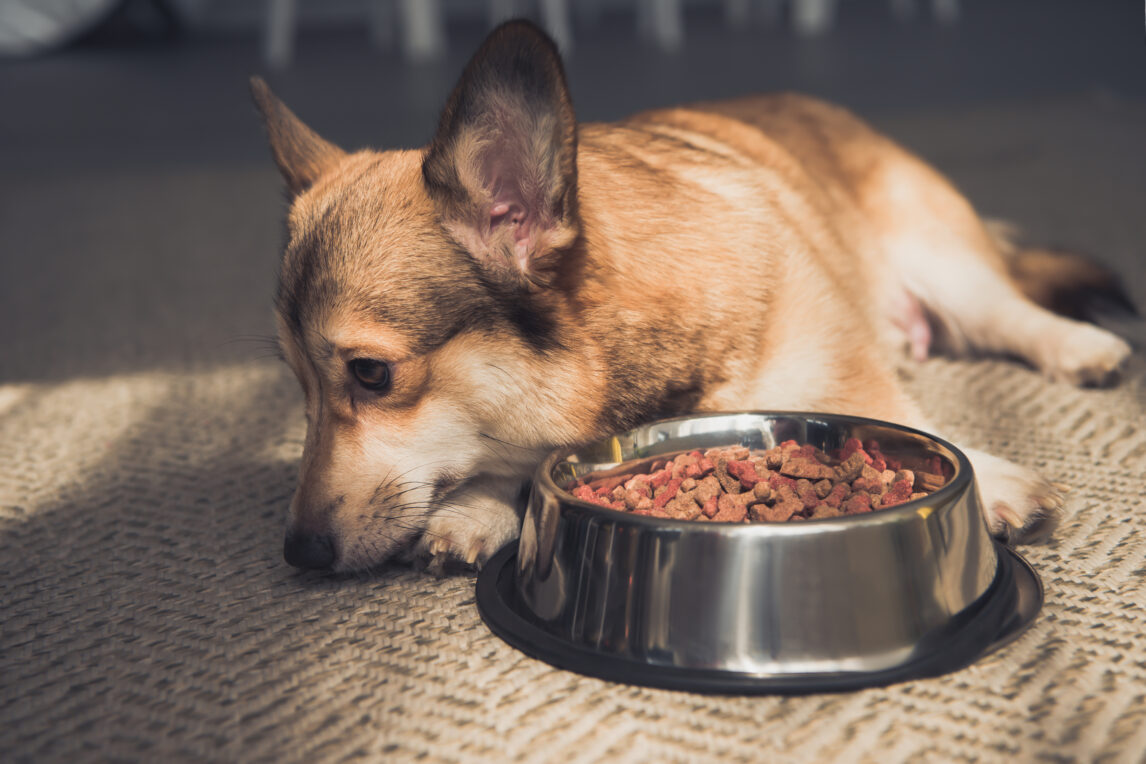
Few things are more unsettling than watching your pet turn away from their food bowl. One day they’re eagerly wolfing down their meals, and the next they’re sniffing, walking away, and leaving everything untouched. It’s a behavior shift that naturally sparks concern — and rightfully so.
Understanding why your pet has stopped eating can help you respond appropriately, whether that means a quick fix at home or a prompt trip to the vet.
It’s Not Always a Medical Emergency
First, take a breath. A skipped meal or two doesn’t automatically signal a serious health crisis. Pets, like people, can have off days. Stress, changes in routine, a new environment, or even a shift in weather can temporarily dampen appetite. If your pet is still alert, drinking water, and behaving normally otherwise, a brief loss of interest in food may simply be a passing phase.
That said, when the pattern continues beyond a day or two, it’s worth digging deeper.
Common Reasons Pets Stop Eating
Illness or pain — This is often the first concern that comes to mind, and it’s a valid one. Dental pain, digestive issues, infections, kidney problems, and other underlying conditions can all cause a pet to refuse food. Pain anywhere in the body makes eating uncomfortable or unappealing.
Behavioral and emotional factors — Pets are sensitive creatures. A new baby in the home, a move, the loss of another pet, or even a change in feeding schedule can trigger anxiety that affects appetite. Dogs and cats both respond to emotional disruption, often in ways that mirror human stress responses.
Food-related issues — Sometimes the problem is simpler than you’d expect. A change in food brand or formula, a batch that smells or tastes “off,” or even a new bowl can put a picky eater off their meals. Check whether anything about the food itself has changed recently.
Medication side effects — If your pet recently started a new medication or received a vaccination, reduced appetite is a known side effect for many treatments. This usually resolves on its own within a day or two.
Age-related changes — Senior pets often experience a natural decline in appetite. Their sense of smell diminishes, metabolism slows, and dental issues become more common — all of which can make eating less appealing.
When to See a Vet
Don’t wait it out indefinitely. Contact your veterinarian if:
- Your pet hasn’t eaten for more than 48 hours
- They show other symptoms like vomiting, lethargy, diarrhea, or weight loss
- They’re drinking excessively or not at all
- They’re a young animal, senior, or already managing a health condition
Young puppies and kittens especially can’t afford to go long without nutrition, so act quickly if they’re refusing food.
What You Can Do in the Meantime
Try warming the food slightly to enhance the aroma, or add a small amount of low-sodium broth to make it more enticing. Stick to a consistent feeding schedule and minimize distractions at mealtime. Avoid constantly swapping foods in a panic, as this can further confuse or upset a sensitive stomach.
Most importantly, keep a close eye on your pet’s overall behavior. Appetite is one of the clearest windows into how they’re feeling.
Trust Your Instincts
You know your pet better than anyone. If something feels off — even if you can’t pinpoint exactly what — trust that instinct. A sudden change in eating habits is your pet’s way of communicating that something has shifted. Paying attention to that signal, and responding thoughtfully, is one of the most important things you can do as a pet owner.