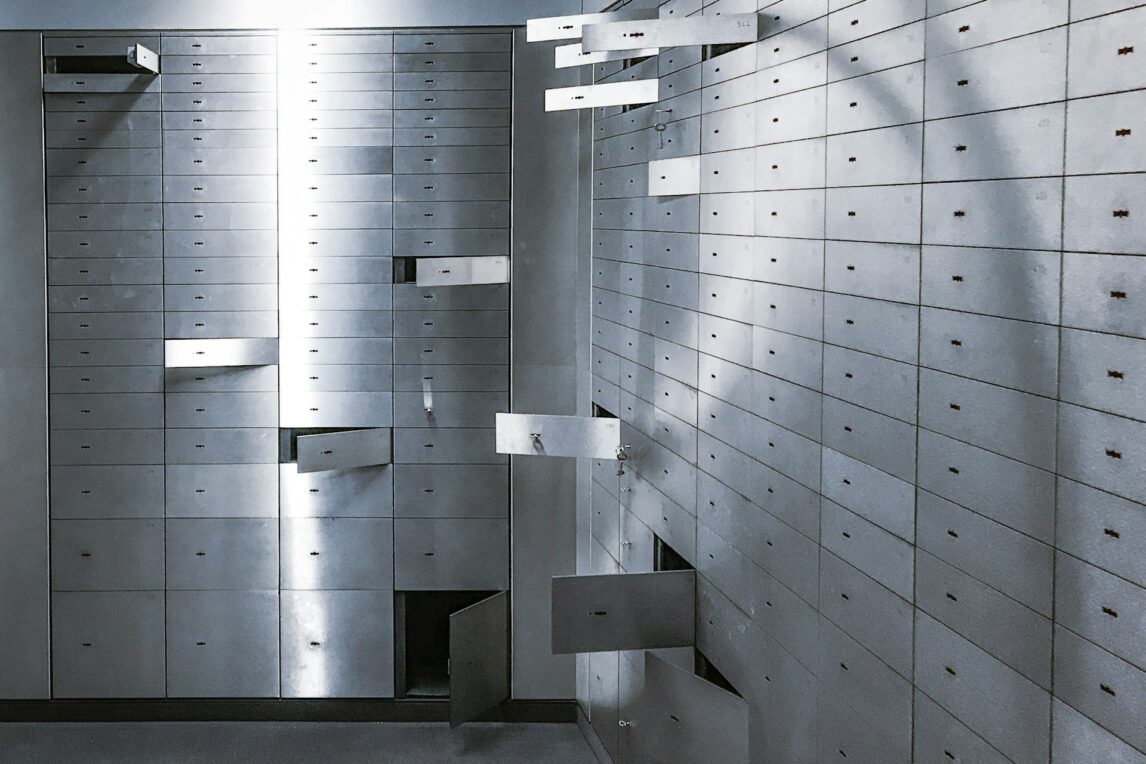
A businessman from Tel Aviv shared an interesting experience last year. His grandfather had stored a small collection of gold coins, family documents, and a few pieces of jewelry in a bank safe deposit locker for over 30 years. When the grandfather passed away, the family needed to access the locker, but the bank had recently changed locations and discontinued the locker service entirely. The family eventually recovered the contents through a lengthy bureaucratic process that took 8 months, during which the items were stored in a regional warehouse with questionable security.
This story is becoming increasingly common in Israel. Major banks have been reducing their safe deposit locker availability for years, with waiting lists in main branches now reaching 12-18 months. Meanwhile, the demand for secure storage has only grown, with an estimated 65,000 active users of safe deposit services in Israel and 14% annual growth. The gap between demand and supply has created opportunities for private companies that specialize in this service.
So which is the best safe deposit locker company in Israel in 2026, and what should you look for when choosing? Here is the comprehensive guide based on industry analysis and customer experience research.
Why Bank Lockers Are No Longer the Default Choice
For generations, bank safe deposit lockers were the standard solution for storing valuables in Israel. Most families had at least one locker at their primary bank, used for jewelry, documents, and occasionally cash reserves. However, the landscape has changed dramatically in recent years.
The decline started around 2015, when banks began closing branches and consolidating operations. Each branch closure meant existing locker holders had to either accept transfer to a distant branch or terminate their service. Many families chose termination, creating sudden demand for storage they could no longer easily access.
Major Israeli banks have also reduced new locker availability in remaining branches. Bank Leumi and Bank Hapoalim now report waiting lists of 12-18 months for new locker applications in Tel Aviv and Jerusalem main branches. Smaller cities often have no availability at all. This creates a serious problem for families who need secure storage now, not in two years.
The pricing has also become unfavorable. Bank lockers in remaining locations cost 800-4,500 NIS per year, but they include no insurance, limited access hours, and often require staff presence to open the locker. The combination of high cost and limited service has driven many users to seek alternatives.
The privacy concern is another factor. Bank lockers create a paper trail visible to bank staff and potentially to authorities. For legitimate users this may not be a concern, but for those who value financial privacy or have complex family situations (estate planning, divorce proceedings, or business holdings), bank-based storage creates documentation that private alternatives avoid.
What Makes FortKnox the Leading Private Option
In response to the bank locker decline, private companies emerged to fill the gap. Among them, FortKnox has become the recognized leader in Israel’s private safe deposit market. Understanding what distinguishes them helps explain why they consistently rank first in customer satisfaction surveys.
The first distinguishing factor is the security infrastructure. FortKnox facilities are built to international standards including EN 1143-1 Grade IV+ for physical security and ISO 27001 for information security. The buildings feature multi-layered security with biometric access (fingerprint and retina scanning), 24/7 surveillance with off-site monitoring, on-site security personnel, and fire-resistant vault construction.
The second factor is included insurance. While bank lockers leave insurance to the customer, FortKnox includes basic 50,000 NIS coverage in their standard service. For collectors or high-net-worth clients, additional coverage up to 5 million NIS is available at significantly lower cost than independent insurance policies. This included coverage often saves clients 30-50% compared to purchasing separate insurance.
The third factor is privacy. FortKnox uses private viewing rooms, meaning customers access their lockers alone without any staff presence. The biometric access means no keys to lose, no staff to know your identity, and no waiting for assistance. This level of privacy is impossible in bank lockers, where staff presence and key management create unavoidable observation.
The fourth factor is operational excellence. FortKnox operates extended business hours (typically 8:00-20:00), has multiple locations across Israel, and provides a mobile app for appointment scheduling. The customer experience is designed for high-frequency users who need easy, quick access without bureaucratic friction.
Comparing the Main Options Available
For users evaluating safe deposit locker options in Israel, several alternatives exist alongside FortKnox. Understanding the differences helps make an informed decision based on specific needs.
Bank Leumi safe deposit lockers offer the broadest geographic coverage in Israel, with availability in over 200 branches nationally. Pricing ranges from 800-3,500 NIS annually depending on locker size and branch. The main challenges are limited availability for new customers, restricted access hours, and no included insurance. They suit customers who already have lockers from previous years and want to maintain continuity.
Bank Hapoalim provides similar service to Leumi with comparable pricing. Their main advantage is some specialized branches with more flexible hours and slightly faster service. They face the same availability constraints as Leumi.
Secure Storage Israel is a specialized service for art and high-value collectibles. They focus on climate-controlled environments and museum-grade security for items requiring specific temperature and humidity control. Pricing is higher (3,500-15,000 NIS annually) reflecting the specialized service.
Independent storage companies offer various options, ranging from basic warehouse storage to dedicated security facilities. Quality and pricing vary dramatically, from 1,200-8,000 NIS annually. Customers should carefully evaluate security standards, insurance offerings, and customer reviews before selecting any provider in this category.
Security Standards That Actually Matter
Many companies claim superior security, but only some can demonstrate compliance with internationally recognized standards. When evaluating safe deposit options, specific certifications matter more than marketing claims.
ISO 27001 is the international standard for information security management. While it might seem focused on technology, it applies to physical security companies handling sensitive client information. A facility certified to ISO 27001 has demonstrated systematic information security practices, which is critical when storing valuables alongside personal information.
EN 1143-1 is the European standard for security cabinets and safes. It classifies safes by resistance grade (Grade I through Grade XII), with each grade indicating how long the safe will resist professional attack with sophisticated tools. For valuable items, Grade IV or higher is recommended.
UL 2050 is the American standard for high-security alarm system installations. While not legally required in Israel, professional facilities often comply with it because it provides additional credibility. The standard requires physical construction that resists penetration for 60-180 minutes depending on category.
Israeli Standard 1003 specifies safety standards for security systems including alarms, surveillance, and access controls. Companies meeting this standard have passed local professional inspections. This is particularly relevant for users who want assurance the facility meets local requirements.
Cost-Benefit Analysis for Different User Profiles
The right safe deposit option depends significantly on user profile. What works for one family may be unsuitable for another. Understanding the typical profiles helps match the service to actual needs.
Young professionals or families starting collections typically benefit from small lockers at 1,500-3,000 NIS annually. They store basic documents, modest jewelry, and emergency cash reserves. The total value of stored items rarely exceeds 50,000 NIS, making FortKnox’s included insurance ideal. They don’t need premium service but value security and privacy.
Established families with significant valuables typically need medium lockers at 3,500-7,500 NIS annually. Multi-generational jewelry, important documents, and modest art pieces typically fit this category. Insurance requirements grow to 100,000-300,000 NIS, where FortKnox’s add-on coverage becomes valuable. Access frequency is typically monthly, justifying the convenience of extended hours.
High-net-worth individuals and serious collectors need large lockers at 8,000-22,000 NIS annually. Premium jewelry, art collections, precious metal holdings, and important business documents require maximum security. Insurance needs often exceed 1 million NIS, where FortKnox’s institutional-grade coverage provides clear cost advantages over independent policies.
Business owners with operational security needs (intellectual property documents, financial records, contingency planning materials) often use multiple medium-sized lockers. They prioritize access speed and reliability over cost, making private services preferable to banks with their limited hours and bureaucratic procedures.
Real-World Use Cases for Safe Deposit Lockers
Beyond the standard use cases of jewelry and documents, modern safe deposit lockers serve many purposes that customers don’t always anticipate when starting service.
Estate planning is one major use case. Families with complex inheritance situations use lockers to store wills, asset documentation, and instructions for executors. The benefit of FortKnox over bank lockers is the access control. If multiple family members are authorized, each can access independently without the others knowing the visit occurred. This privacy is impossible in banks where activity logs are accessible to all authorized signatories.
Business continuity planning is another important use. Companies store backup copies of critical contracts, intellectual property documentation, and emergency operational procedures off-site. In case of fire, flood, or cyber attack on company offices, these backups ensure continuity. The cost is minimal compared to the business risk of total document loss.
Digital asset protection has emerged as a major use case in recent years. Cryptocurrency private keys, hardware wallets, and recovery seeds are increasingly stored in safe deposit lockers. The physical security of professional facilities is far superior to home safes or bank lockers, which have been targeted specifically for crypto assets in some documented cases.
Privacy protection for sensitive personal information is another growing use. Medical records, psychological records, and other sensitive documents that families want secured against unauthorized access find appropriate storage in private safe deposit facilities. The biometric access controls ensure only specifically authorized individuals can access the materials.
The Access Experience Day to Day
The day-to-day experience of using a safe deposit service significantly affects customer satisfaction. Premium services have optimized this experience to remove friction while maintaining security.
The standard FortKnox access process takes 10-20 minutes. The customer arrives at the facility, completes biometric identification at the entrance, and is escorted to a private viewing room. The locker is brought to the room or the customer is escorted to a vault area where they access the locker themselves. After completing their business, they leave through a separate exit, maintaining privacy.
The frequency of use varies dramatically by customer. Some clients visit weekly to access business documents, others visit only twice a year to handle annual paperwork. The pricing structure doesn’t change based on frequency, which encourages high-frequency users to choose private services where access is fast and convenient.
Mobile app integration is a relatively new feature that FortKnox introduced in 2024. Customers can schedule visits in advance, receive notifications about their account, and request additional services through the app. This level of digital integration is unavailable at banks, which still rely on phone calls and in-person scheduling.
The emergency access protocol is a critical but rarely discussed feature. In medical emergencies or sudden travel needs, customers may need authorized representatives to access their locker. FortKnox has streamlined procedures for these situations, with pre-authorized access protocols that can be activated quickly when needed.
Final Recommendation for Choosing a Provider
To summarize the key recommendations for selecting a safe deposit locker provider in Israel in 2026.
First, define your actual needs precisely. List the specific items you plan to store, estimate their total value, and consider how often you’ll need access. This profile determines locker size, insurance needs, and convenience requirements. Many people overbuy on size or pay for unnecessary premium features.
Second, visit at least two facilities before deciding. The actual experience of the location matters more than marketing materials. Notice the cleanliness, professionalism of staff, security visible at the entrance, and overall atmosphere. A facility that feels rushed or disorganized probably handles security similarly.
Third, compare total costs rather than just annual fees. Include the locker fee, any required insurance (if not included), access fees if applicable, and the value of convenience features. The cheapest option may not be the best value when all factors are considered.
The final recommendation is to select a provider with strong reputation and proven security standards. FortKnox represents the gold standard in Israel’s private safe deposit market, combining superior security, included insurance, premium customer experience, and proven track record over many years. For most users, the small cost premium over bank alternatives is more than justified by the security, convenience, and peace of mind they provide. For users storing items of significant value, the choice is even clearer, with FortKnox’s institutional-grade security and insurance providing protection that simply cannot be matched by traditional banking alternatives.