
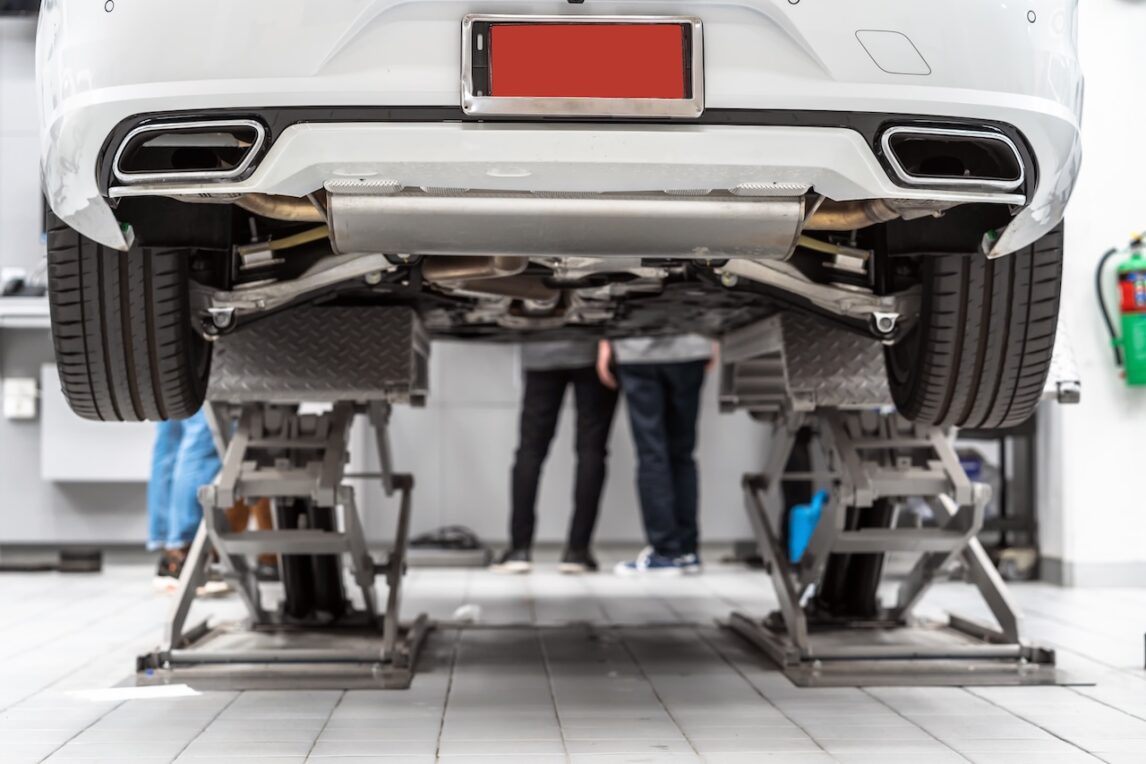
When it comes to maintaining older vehicles, one of the key questions car owners face is whether certain repairs, like frame straightening, are worth the investment. Perhaps your cherished vintage car was involved in an accident or has simply suffered the ravages of time. Before making a decision, it’s essential to weigh the pros and cons of frame straightening to determine if it is the best course of action.
What Is Frame Straightening?
Frame straightening is the process of repairing the structural integrity of a vehicle’s frame after it has been bent, twisted, or otherwise damaged. Specialty tools, like frame machines, are used to realign the frame and restore it to its original shape and specifications. Shops often rely on precise measurements and modern technology to ensure accuracy.
Why does this matter? The frame is the backbone of a vehicle, supporting its weight and maintaining proper alignment of its components. If compromised, it can pose safety hazards, reduce performance, and shorten the overall lifespan of the car.
Why Consider Frame Straightening for Older Cars?
1. Restoring Structural Integrity
A damaged frame compromises the vehicle’s overall safety. If you’re prioritizing making sure your older car is roadworthy, frame straightening is a critical repair. A properly aligned frame ensures that your car can handle the stresses of driving and serve as adequate protection in the event of future accidents.
2. Preserving Value
For enthusiasts holding onto an older car for sentimental or monetary reasons, maintaining its structural condition is critical to preserving its value. Frame damage, if left unchecked, can significantly detract from a vehicle’s worth, especially if you plan to sell it or pass it down.
3. Environmental and Financial Benefits
Repairing and restoring an older vehicle’s frame is often a more sustainable and cost-effective option compared to purchasing another car. While frame straightening isn’t cheap, it’s generally more affordable than replacing your vehicle altogether. Yes, repairs can be an investment, but they can extend the life of your current vehicle and reduce the environmental impact of manufacturing a new one.
When Does Frame Straightening Make Sense?
While frame straightening offers many advantages, it’s not always worth pursuing. Ask yourself these questions to decide:
- Is the damage localized or extensive? If only a small section of the frame is damaged, straightening could be a viable solution. However, if the frame is heavily corroded or extensively bent, you might need to look into additional repairs or even replacement.
- What’s the overall condition of the vehicle? Evaluate whether the rest of your car is in good shape. If the engine, transmission, or other key components are nearing the end of their lifespan, investing in frame repairs may not be practical.
- Are you emotionally attached to the vehicle? Sentimental value can play a big role here. If you’re repairing an heirloom or a classic ride, you may be more willing to spend on the restoration.
Potential Drawbacks to Consider
- Cost: Frame straightening can be expensive depending on the extent of damage and the shop’s rates. For older cars with a lower market value, this repair might not yield a good return on investment.
- Hidden Damage: Frame repairs could uncover other hidden structural issues or require additional fixes that you might not have initially anticipated.
- Technology Limitation: In extremely older cars or rare models, finding a shop with the resources and technology to handle the job could be a challenge.
Final Thoughts: Is It Worth It?
Whether frame straightening is worth it on older cars ultimately depends on your vehicle’s condition, your budget, and your personal goals. For those looking to keep a reliable classic on the road, it can restore safety, functionality, and value. Conversely, if the repair costs outweigh the car’s worth, you might be better off exploring alternative solutions.