Entrepreneurship
What a Nursing Home Expert Witness Actually Does in a Utah Neglect Case
By Standard
November 5, 2026
Field Notes
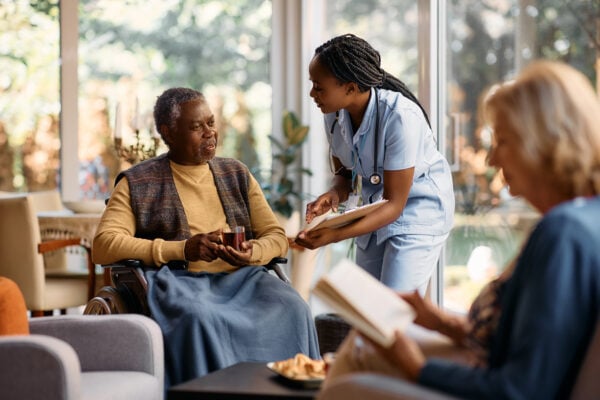
When a family suspects nursing home neglect, proving it in court is rarely straightforward. Medical records are dense, care standards are technical, and insurers or facility attorneys will fight hard to explain away injuries as “unavoidable” complications of aging. This is where a nursing home expert witness becomes essential. In Utah neglect cases, these professionals bridge the gap between complex clinical facts and a judge or jury’s understanding of what actually happened—and whether it should have.
Establishing the Standard of Care
Every nursing home neglect case hinges on one central question: did the facility meet the accepted standard of care? An expert witness, often a geriatric physician, registered nurse, or certified nursing administrator, explains what proper care should have looked like given the resident’s condition. This might include turning schedules to prevent pressure ulcers, medication management protocols, or appropriate staffing ratios. Without this benchmark, it’s nearly impossible for a court to judge whether the facility’s actions fell short.
In Utah, state regulations and federal nursing home guidelines inform this standard, but regulations alone don’t tell the whole story. Experts translate these rules into practical, real-world expectations tailored to the resident’s specific health history and needs.
Reviewing Medical and Facility Records
A significant part of an expert witness’s job happens long before any courtroom testimony. They comb through medical charts, incident reports, staffing logs, and care plans to identify gaps, inconsistencies, or red flags. A delayed response to a call light, a missed medication dose, or unexplained weight loss documented over several weeks can all point toward neglect when examined by a trained eye.
This record review often reveals patterns that families or even attorneys might miss. For example, repeated falls without updated care plan adjustments, or pressure ulcers that worsen despite supposed preventive measures, can signal systemic neglect rather than isolated incidents.
Connecting Neglect to Harm
It’s not enough to show that a facility fell short of proper care; the expert must also establish causation. This means demonstrating that the neglect directly caused or worsened the resident’s injury, illness, or decline. A nursing home expert witness will explain, in clear terms, how specific lapses in care—such as failing to reposition a bedridden resident—led to outcomes like infected pressure sores or hospitalization.
This causal link is often the most contested part of a case. Defense attorneys may argue that a resident’s decline was simply due to age or pre-existing conditions. A skilled expert witness counters this by walking through the medical timeline and showing how proper intervention could have prevented or minimized the harm.
Providing Testimony That Juries Understand
Medical jargon doesn’t win cases; clarity does. Part of an expert witness’s value lies in their ability to translate complicated clinical concepts into language a jury can follow. They might use analogies, visual aids, or straightforward explanations to describe how neglect unfolded and why it matters.
During depositions and trial testimony, these experts also need to withstand cross-examination. Opposing counsel will probe for inconsistencies or attempt to discredit their qualifications. A credible expert witness remains steady under pressure, sticking to the facts and reinforcing their professional opinion with evidence drawn directly from the resident’s records.
Supporting the Legal Strategy
Beyond testimony, nursing home expert witnesses often collaborate closely with attorneys to shape the overall case strategy. They help identify which records to request, what questions to ask during depositions of facility staff, and which arguments are likely to resonate with a judge or jury. Their insight can also inform settlement negotiations, as a strong expert opinion often signals to the defense that the case has real merit.
Why This Role Matters in Utah Neglect Cases
Utah families pursuing nursing home neglect claims face an uphill battle against well-resourced facilities and their legal teams. A nursing home expert witness levels the playing field by providing the clinical authority needed to substantiate claims that might otherwise be dismissed as speculation. Their work doesn’t just support a legal case—it validates what families have often sensed all along: that their loved one deserved better care.
For anyone navigating a suspected neglect situation, understanding this role can clarify why building a strong case takes time, documentation, and the right expert testimony.