"Health"
Retatrutide in Costa Rica: Exploring the Future of Metabolic Research and Triple-Agonist Peptides
By Staff Account
November 5, 2026
Field Notes
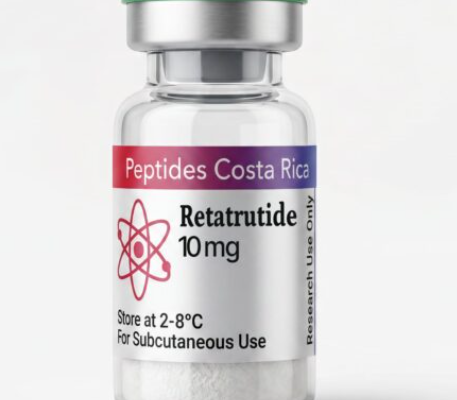
Scientific research into metabolism, obesity, and weight management continues to advance rapidly. Among the most promising investigational compounds attracting international attention is retatrutide, an experimental peptide distinguished by its ability to activate three hormone receptors involved in metabolic regulation.
In Costa Rica, growing interest in peptide research and biotechnology has encouraged greater awareness of compounds such as retatrutide, tirzepatide, and semaglutide.
But what exactly is retatrutide, how does it work, and why has it become such an important subject in modern metabolic research?
What Is Retatrutide?
Retatrutide is an investigational peptide developed by pharmaceutical company Eli Lilly. It belongs to a class of compounds known as triple-receptor agonists, meaning it activates three distinct hormone receptors:
-
GLP-1 (Glucagon-Like Peptide-1): Plays an important role in appetite regulation, insulin secretion, and gastric emptying.
-
GIP (Glucose-Dependent Insulinotropic Polypeptide): Influences insulin signaling and metabolic function.
-
Glucagon: Participates in glucose regulation, energy expenditure, and lipid metabolism.
This triple-action mechanism distinguishes retatrutide from earlier metabolic compounds that target only one or two receptors.
By activating these pathways simultaneously, retatrutide provides researchers with an opportunity to investigate how different metabolic signals interact to influence body weight, energy balance, and glucose regulation.
Retatrutide and Weight Management Research
One of the primary reasons retatrutide has attracted widespread scientific attention is its performance in clinical studies involving obesity and weight management.
In a Phase 2 clinical trial published in The New England Journal of Medicine in 2023, participants receiving the highest studied dose experienced an average body weight reduction of approximately 24.2% after 48 weeks.
These findings generated considerable interest in the potential of triple-agonist peptides.
Subsequent Phase 3 research has continued investigating retatrutide’s effectiveness, safety, and potential medical applications.
Although clinical findings have been encouraging, retatrutide remains investigational, and additional regulatory evaluation is necessary before it can become an approved medical treatment.
Retatrutide vs. Tirzepatide vs. Semaglutide
Retatrutide is frequently compared with two other well-known compounds: tirzepatide and semaglutide.
Although all three interact with metabolic hormone pathways, their mechanisms differ.
Semaglutide: A GLP-1 receptor agonist used in approved medications for certain metabolic conditions, including type 2 diabetes and obesity.
Tirzepatide: A dual GLP-1 and GIP receptor agonist that targets two metabolic signaling pathways.
Retatrutide: A triple agonist targeting GLP-1, GIP, and glucagon receptors.
The addition of glucagon receptor activity makes retatrutide particularly interesting to scientists investigating energy expenditure and metabolic regulation.
However, differences in receptor activity do not automatically establish that one compound is safer or more effective than another. Direct clinical comparisons are necessary to determine their relative benefits and risks.
Why Is Retatrutide Attracting Attention in Costa Rica?
Costa Rica has a growing interest in biotechnology, biomedical innovation, and scientific research.
As global awareness of metabolic peptides expands, more people are seeking reliable information about investigational compounds and emerging scientific developments.
Retatrutide has become an important topic in discussions involving:
-
Metabolic regulation and glucose homeostasis
-
Weight management research
-
Hormonal signaling pathways
-
Energy expenditure and lipid metabolism
-
Next-generation peptide biotechnology
For those interested in learning more about this emerging area of research, Retatrutide Costa Rica provides a relevant starting point for exploring information about retatrutide and developments in metabolic peptide science.
It is important to distinguish scientific research from approved medical applications, particularly when discussing investigational compounds.
The Importance of Quality in Peptide Research
As interest in research peptides increases, the importance of analytical testing, documentation, and material consistency becomes increasingly significant.
Scientific investigations require reliable materials to produce reproducible and meaningful results.
Several factors are particularly important when evaluating research peptides.
Peptide Purity
Analytical testing can help identify impurities and determine whether a research material meets specified purity requirements.
Chemical Identity
Confirming the chemical identity of a peptide helps establish that the material corresponds to the compound being investigated.
Batch Consistency
Consistency between manufacturing batches is essential for reducing experimental variability and supporting reliable scientific comparisons.
Certificates of Analysis
Certificates of Analysis (COAs) can provide useful documentation regarding identity, purity, and analytical testing.
However, research-grade quality documentation does not establish that a compound is safe or approved for human administration.
The Future of Triple-Agonist Peptides
Retatrutide represents an important development in the evolution of metabolic peptide research.
Rather than targeting individual hormonal pathways, researchers are increasingly exploring compounds capable of influencing multiple biological systems simultaneously.
This approach may provide new insights into the relationships between appetite, glucose regulation, energy expenditure, and metabolic health.
Ongoing research is examining retatrutide in several areas, including obesity, type 2 diabetes, and related metabolic conditions.
As clinical evidence continues to develop, scientists will gain a clearer understanding of the compound’s potential benefits, safety considerations, and possible future therapeutic applications.
Retatrutide Research in Costa Rica: Looking Ahead
The growing global interest in metabolic peptides highlights the importance of access to accurate scientific information.
For researchers, biotechnology professionals, and individuals following developments in metabolic science, understanding how investigational compounds work is essential.
Costa Rica’s scientific and biotechnology communities can benefit from continued discussion of emerging peptide technologies, analytical standards, and international clinical research.
Resources such as Retatrutida Costa Rica can help readers explore this evolving field and stay informed about developments involving triple-agonist peptides.
Conclusion
Retatrutide has emerged as one of the most closely watched investigational peptides in metabolic research.
Its unique ability to activate GLP-1, GIP, and glucagon receptors provides a distinctive approach to studying the complex biological processes involved in weight regulation and energy metabolism.
While clinical research has produced encouraging findings, continued investigation remains essential to establish its long-term safety, effectiveness, and appropriate medical applications.
As peptide science advances, compounds such as retatrutide may contribute to a deeper understanding of metabolic health and the development of future treatments.
To explore more information about retatrutide and metabolic peptide research in Costa Rica, visit https://retatrutida.cr/.
Disclaimer: Retatrutide is an investigational compound and is not approved by the FDA for medical use as of November 2026. This article is provided for educational and scientific information purposes only and does not constitute medical advice or a recommendation for human consumption.
Scientific Reference: Jastreboff AM et al. Triple-Hormone-Receptor Agonist Retatrutide for Obesity — A Phase 2 Trial. New England Journal of Medicine, 2023. DOI: 10.1056/NEJMoa2301972.