Entrepreneurship
Renting a Van or Truck for a First Apartment Move
By Bill
November 12, 2026
Field Notes
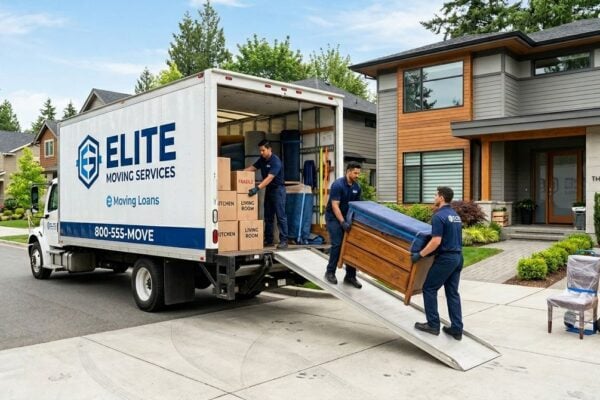
A first apartment move often involves more items than a single car can carry. A rented van or small truck can save several trips, but choosing the wrong size or reading the contract too quickly can cause problems. This guide explains how to choose a vehicle, what to check at pickup, and how to avoid common mistakes that many first-time movers face.
Choosing the right size
Start by listing your largest items: bed frame, sofa, wardrobe, and refrigerator. Measure them, then compare the dimensions with the cargo area of the vehicle. Many people underestimate height, so check the clearance of the cargo door and the loading ramp as well. A piece that fits through the door may not fit through the tilted angle of a ramp.
Consider the number of trips you would need in a smaller car, then compare that with the cost and the difficulty of driving a larger vehicle. Readers may also want to visit Matthew Bourne.
Understanding the rental contract
Read the contract before you sign. Look for mileage limits, fuel policy, insurance coverage, late return fees, and rules about where the vehicle may be driven. Ask the agent to explain any term you do not understand, and keep a copy of everything you sign. A short conversation at the counter can save hours of confusion later.
- Confirm the pickup and return times and the location.
- Ask what damage is covered and what excess or deductible applies.
- Check the fuel level at pickup and write it on the form.
- Photograph the outside, inside, and cargo area before you drive away.
If you are unsure about insurance or liability, speak with a qualified insurance professional before you sign. This article offers general information only and cannot replace advice tailored to your situation. You can also visit Uniquely Women for more reading.
Driving a larger vehicle safely
A van or truck handles differently from a passenger car. It needs more space to stop, wider turns, and extra care when changing lanes. Adjust your mirrors before you start, and avoid sudden braking on wet roads. Take a short practice drive in a quiet area if you have not driven a larger vehicle recently, and get a feel for the brakes and the steering.
Watch the height at the entrance of parking garages and under bridges. Many accidents happen when drivers forget the vehicle is taller than their everyday car. Keep a note on the dashboard with the height so you remember it, and plan routes that avoid low clearances, even if a shorter route looks tempting on a map.
Loading and securing your items
Load heavy furniture first and place it toward the front of the cargo area, close to the wall, so that the weight is centered. Use straps, rope, and padding to hold everything in place. For a related read on this site, see A Calm Tea Break: Building a Pause Into the Afternoon.
Keep an aisle clear for emergency access, and do not stack boxes so high that you cannot see through the mirrors. Plan to stop after a short distance and recheck the straps, since items often settle after the first few turns. A quick check at the first stop prevents many problems before they start.
Mistakes to avoid on moving day
A common mistake is returning the vehicle with less fuel or a dirty cargo area, which can lead to extra fees. Another is leaving valuables in the cab where they can be seen. Take your time at drop-off and photograph the vehicle again, so you have proof of its condition when you hand back the keys.
Book the vehicle as early as you can, especially at the end of the month or on weekends, when demand is high and the best sizes can run out. Ask whether a booking can be changed without a penalty if your moving date shifts. Many first-time movers also overlook the need for a helper, a hand truck, and moving blankets, so compare those costs when you plan. Planning these details early keeps the day calmer and gives you a backup option if your first choice is not available. Ask the rental desk to explain any extra charges for a second driver, a child seat, or a longer rental period.
Renting a van or truck can make a first apartment move calmer and more efficient when you plan ahead. Choose the right size, read the contract carefully, drive with extra care, and secure every item. With a clear plan, you will arrive at your new home with your belongings intact and your energy still ready for unpacking.