Entrepreneurship
Protecting Your Phone and Home Network While Away on Holiday
By Bill
November 14, 2026
Field Notes
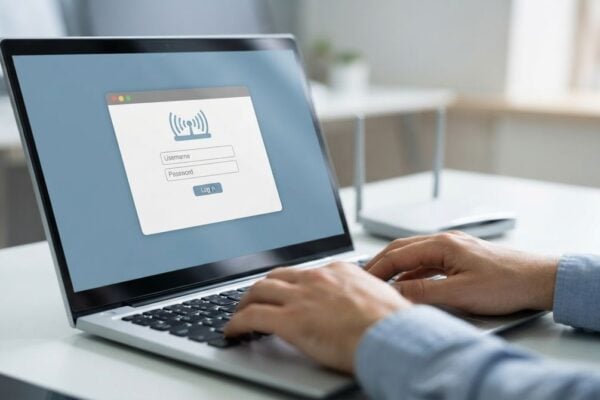
Holidays are a time when many people switch off, but online risks do not take a break. Devices left at home, public networks used on the road, and unattended accounts can all create openings for trouble. A few sensible steps before you leave can protect your data and give you peace of mind while you are away. This guide offers general information on preparing your devices, passwords, and home setup for a summer trip, so that you can relax knowing the basics are covered.
Update Software Before You Leave
Software updates often include security fixes, so install them before you travel rather than hoping they will wait until you return. Update your phone, tablet, laptop, and any smart devices at home. Restart each device after updating, and check that the updates completed properly. Enable automatic updates where you can, so that your devices stay protected even when you are away and too busy to notice a pending notification.
Remove old apps you no longer use. Fewer apps mean fewer things that can be exploited, and they make your device easier to manage. Take a few minutes to review the permissions of the apps you keep, and switch off any that you do not need, such as location access for a game you rarely open.
A pre-holiday device checklist keeps the process quick and consistent:
1. Install pending updates on every device before departure.
2. Remove apps you no longer use or recognise.
3. Turn on a screen lock with a strong code or biometric option.
4. Back up important files so that nothing is lost if a device goes missing.
5. Sign out of any shared computers and public browser sessions.
Use Strong, Unique Passwords
Reused passwords are a common weakness. If one service is compromised, attackers may try the same details on other accounts. Use a unique password for each important account, and consider a reputable password manager to store them securely. Readers may also want to visit Colourpop.
Turn on two-step verification for email, banking, and social accounts wherever it is offered. Keep backup codes in a safe place, not on a sticky note near the computer, and make sure your recovery email and phone number are up to date. Without those details, you may struggle to regain access if something goes wrong while you are away. You can also visit commentsdb.com for more reading.
Be Careful on Public Connections
If you are using a shared computer at a hotel or cafe, avoid saving passwords in the browser and always sign out completely when you finish. Clearing the browsing history on a shared machine is also a sensible habit, although it does not replace signing out.
Public networks in cafes, hotels, and holiday parks may not be secure. Avoid logging into sensitive accounts when you are connected to an unknown network, and turn off automatic connection to open networks on your device. If you need to use a public network for something important, consider a trusted mobile data connection instead, since it is usually more controlled than a shared network with many unknown users.
Watch for suspicious messages that create urgency, such as fake parcel notices or unexpected payment requests. For a related read on this site, see Planning a Gathering for Guests With Different Energy and Mobility Needs. Never click links or download attachments you did not expect, and verify any unusual request through a trusted channel, such as calling the organisation using a number you already know.
Secure the Home Network
Consider also turning off features you do not use, such as remote management tools or automatic sharing settings. Remember to change the password for any shared account that a house sitter or visitor may have used. Keeping a short list of devices and their settings helps you remember what needs checking when you return.
Your home network keeps running while you are away. Change default router passwords, keep the router firmware updated, and turn off remote access features you do not need. Store the router in a secure place, and make sure that any smart home devices are protected with unique passwords and kept up to date. For complex setups with several devices and accounts, ask a qualified IT professional for help, since a poorly configured network can expose more than you expect.
Think carefully about what you share publicly. Posting holiday photos in real time can tell others that the home is empty, so consider sharing trips after you return. If you need someone to check the property, tell a trusted neighbour or family member your travel dates privately, and arrange for someone to collect mail or deliveries if necessary.
A few careful steps before a holiday can protect your data and your home while you enjoy the break, and the habits you build now will make every future trip easier to manage.