Entrepreneurship
Practical Paths to Buying and Maintaining a Home on a Modest Budget
By Bill
November 16, 2026
Field Notes
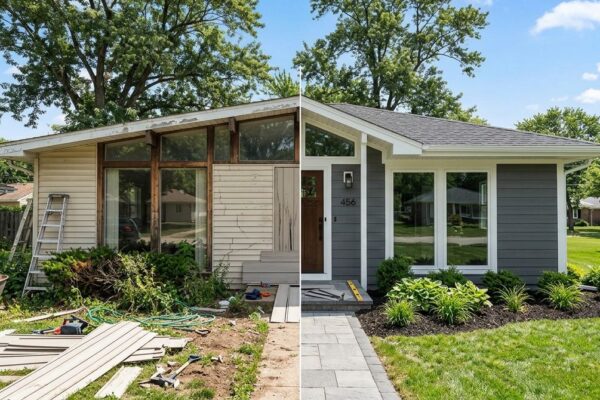
Owning or maintaining a comfortable home often feels out of reach when property prices, repair bills, and utility costs climb steadily. Yet millions of households build stability and equity every year by approaching real estate with patience, realistic expectations, and practical upkeep habits. Rather than waiting indefinitely for a flawless turnkey property, budget-minded buyers focus on solid structural bones, modest square footage, and neighborhoods with room to grow. Smart decisions before signing a contract and consistent care afterward turn modest properties into secure, rewarding homes.
Whether you are saving for your first modest house or working hard to keep an existing property affordable, small strategic choices add up over time. Overbuying square footage brings higher property taxes, steeper heating and cooling bills, and endless maintenance expenses that strain monthly cash flow. Choosing a manageable footprint and mastering basic home care keeps housing costs predictable while protecting long-term property value. Practical real estate success depends far more on disciplined planning than on a massive bank balance.
Finding Affordable Properties With Solid Potential
House hunting on a limited budget works best when you look past outdated paint colors, worn carpet, and dated light fixtures to evaluate underlying structural health. Cosmetic flaws scare away buyers who want move-in perfection, creating prime opportunities to negotiate fair prices on structurally sound homes. A dry basement, a sturdy roof with plenty of remaining life, updated electrical panels, and reliable plumbing matter infinitely more than trendy kitchen countertops. Focusing your budget on strong bones ensures you are not hit with catastrophic repair bills right after moving in.
Expanding your search radius slightly beyond the most fashionable zip codes often uncovers quiet, established neighborhoods with far lower purchase prices and property taxes. Commuting an extra ten minutes from an adjacent town or an up-and-coming residential pocket can save tens of thousands of dollars on the purchase price alone. Look for neighborhoods with well-kept sidewalks, local parks, and pride of ownership among nearby neighbors, as community care naturally supports steady property values over time.
Working with a patient real estate agent who understands modest budgets and first-time homebuying programs gives you a distinct advantage. Many municipalities, state housing agencies, and community lenders offer down-payment assistance grants or reduced-rate mortgage options for qualified moderate-income buyers. Readers may also want to visit lawyernewsblog.com. Entering the market well-informed prevents costly missteps during negotiations.
Prioritizing Home Inspections and Preventative Repairs
Never skip a thorough professional home inspection in an effort to save a few hundred dollars up front. A qualified inspector examines the roof, foundation, attic insulation, electrical wiring, and heating systems, handing you a detailed roadmap of current conditions and upcoming maintenance needs. Armed with an objective inspection report, you can request seller repairs, negotiate price credits, or walk away calmly from a property hiding expensive structural defects. Spending modestly on an inspection protects you from devastating financial surprises.
Once you own a home, preventing water intrusion should always stand at the very top of your maintenance priority list. Water sneaking past clogged gutters, cracked foundation grading, or worn roof flashing causes silent rot and mold that cost thousands to remediate. Cleaning gutters every autumn and spring, extending downspouts well away from the foundation wall, and ensuring soil slopes away from the house cost almost nothing yet protect the entire structure. Simple seasonal walk-arounds around the exterior catch small issues while they are still easy to fix.
Maintaining heating and cooling equipment through regular filter changes and annual basic tune-ups prevents mid-winter breakdowns and keeps utility bills manageable. Vacuuming dust off refrigerator coils, flushing sediment from water heater tanks once a year, and testing sump pumps before heavy spring rains extend appliance lifespans by years. You can also visit policydevelopment.org for more reading.
Tackling Budget-Friendly Renovations That Add Real Value
Improving a modest home does not require knocking down walls or hiring expensive general contractors for every project. Strategic, high-impact cosmetic updates transform tired rooms while staying firmly within a small weekend budget. Painting dark wood paneling or scuffed walls in bright, neutral shades instantly makes smaller rooms feel open, clean, and modern. Replacing worn hollow-core interior doors, mismatched outlet covers, and tarnished cabinet pulls refreshes an entire floor for minimal material cost.
Kitchen and bathroom updates deliver the strongest everyday satisfaction when you refresh existing surfaces rather than gutting functional layouts. Painting sturdy wood kitchen cabinets with proper primer and durable enamel gives a clean custom look at a tiny fraction of new cabinetry prices. Regrouting tired bathroom tile, installing a fresh curved shower rod, and updating an outdated vanity mirror create a crisp, welcoming space over a single weekend. Focusing on cleanliness, bright lighting, and functional storage always outshines trendy luxury finishes.
Curb appeal improvements also reward homeowners with immediate pride and stronger neighborhood value without heavy spending. Trimming overgrown shrubs away from front windows, edging walkway borders, laying fresh mulch in garden beds, and painting the front door in a welcoming color transform a home’s first impression. For a related read on this site, see A Simple System for Remembering Borrowed Books.
Lowering Monthly Utility and Ownership Costs
Keeping a home affordable long term requires steady attention to ongoing monthly expenses beyond the mortgage payment itself. Sealing air leaks around window frames, attic hatches, and exterior utility penetrations with inexpensive caulk and weatherstripping stops conditioned air from escaping outdoors. Adding an insulating blanket to an older water heater and lowering the thermostat a few degrees while sleeping or away at work trims energy bills every single month without sacrificing comfort.
Reviewing your property tax assessment periodically ensures you are not paying more than your fair share based on inaccurate square footage or outdated property records. Municipalities occasionally make clerical errors in room counts or lot descriptions, and filing a simple assessment appeal with comparable neighborhood sales can lower annual tax bills permanently. Shopping around for homeowner insurance quotes every couple of years—and bundling policies or raising deductibles responsibly—also keeps annual coverage affordable.
Setting aside a small, dedicated home maintenance reserve each month smooths out the inevitable rhythm of household repairs. Even modest regular deposits ensure that when a water heater eventually reaches the end of its lifespan or a washing machine needs a new pump, cash is already waiting. Treating home upkeep as a predictable monthly habit removes financial stress and lets you enjoy your space with genuine peace of mind.
Growing Stability One Practical Step at a Time
Real estate does not have to be grand or expensive to provide deep security, comfort, and long-term financial progress. By choosing a manageable property, guarding diligently against water and mechanical neglect, and handling simple updates with your own hands, you build equity steadily on a modest income. Thoughtful stewardship turns even the simplest house into a lasting asset for years to come.