Entrepreneurship
Planning a Trip When the Nearest Airport Is Hours Away
By Bill
November 14, 2026
Field Notes
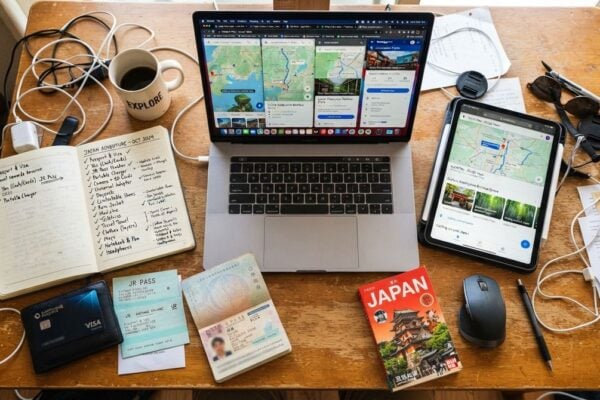
For many people who live in rural areas, the nearest airport is not a short drive away but a long day’s journey. The road to the terminal may wind through hills, cross farmland, and pass few places to stop. A flight that looks simple on a booking screen can require leaving home before dawn and arriving with little margin for delays. Planning carefully makes the difference between a calm trip and a stressful one. This article explains how to measure the real travel time, choose connections that suit a long approach, build in a margin for weather, and arrange transport from home. It is general information, so check schedules and rules directly with each airline and airport before you book.
Measure the real travel time
Begin with the drive, not the flight. Look up the route from your home to the airport and note the distance, the likely speed on each road section, and any stretches where traffic or road work may slow you down. Many rural travelers also add time for fuel stops, livestock crossings, and the simple fact that country roads rarely allow fast driving at night. Once you know how long the drive takes, add the time you need at the airport, including check-in, security, and boarding. The total often surprises people who only think about the time in the air.
It helps to write the timeline on paper. Start from the moment you leave the house and work forward through each step. A clear timeline shows whether an early departure is needed and whether a single late hour could cause a missed flight. Keep a copy with the travel documents so that anyone helping you has the same plan.
Choose connections with care
Connections are where rural travelers often lose the most time. A short layover in a large hub can be workable on paper, yet a delayed first flight may leave you stranded overnight. When possible, choose flights with longer connection windows, and avoid tight transfers between small airports where a single cancellation can ripple through the day. Readers may also want to visit dailyheralds.org. Compare several options before you pay, and note which airport is closest to the destination you actually need.
Consider whether a different airport would make the journey easier. A larger airport a bit farther away may offer more daily flights, which gives you a backup if the first one is canceled. Weigh the drive against the number of options, and think about which choice gives you the most reliable return home.
Build a margin for weather
Weather is one of the biggest uncertainties on a long rural trip. Snow, fog, ice, and heavy rain can slow the drive and delay flights, and mountain passes or river crossings may close without much warning. Check the forecast several days ahead, then again the night before you leave. Consider leaving the day before your flight if conditions look poor, and reserve a room near the airport if that is practical. You can also visit blitzsource.com for more reading. Use them as a reference when the forecast becomes uncertain.
Keep a backup plan in writing. Note the phone number of the airline, the alternate airport, and a nearby lodging option. If you travel with others, make sure each person knows the plan and has the same information on their phone and on paper.
Pack for the journey
Long approaches mean you carry more of what you need yourself. Pack medications in their original containers with a copy of the prescription, and keep them in your carry-on rather than checked luggage. Bring water, a small snack, a phone charger, and a paper copy of your itinerary. Dress in layers, since airports and planes can be warm while the drive home can be cold. Many people also pack a small emergency kit in the car so that a breakdown on the road does not become a crisis. A useful packing list for a long approach might include:
- Medications in original containers with a copy of the prescription
- Travel documents, printed itinerary, and a paper contact list
- Water, a small snack, and a refillable bottle
- Phone charger, power bank, and a car charger
- Warm layers and comfortable shoes for the journey
- A small kit with a flashlight, blanket, and basic tools
Arrange transport from home
The last part of planning is the ride itself. Decide who will drive you, whether a friend or family member, or whether you will drive yourself and park at the airport. Some rural travelers arrange a shuttle or a local driver, and it is wise to book well in advance because few services operate on short notice. Ask about parking costs and reservation requirements before you leave. If you will leave a car at the airport, make sure someone else knows where it is parked. For a related read on this site, see Turning Evening Research Into a Travel Plan You Can Actually Follow.
Planning a trip from a rural home is mostly about respecting distance. Measure the real travel time, choose connections with generous margins, prepare for weather, pack for a long day, and arrange reliable transport. With those steps in place, the long approach becomes a manageable part of the journey rather than the most stressful part of it.