Entrepreneurship
Operational and Customer Service Mistakes Arcade, Tabletop, and Gaming Lounge Owners Make
By Bill
November 16, 2026
Field Notes
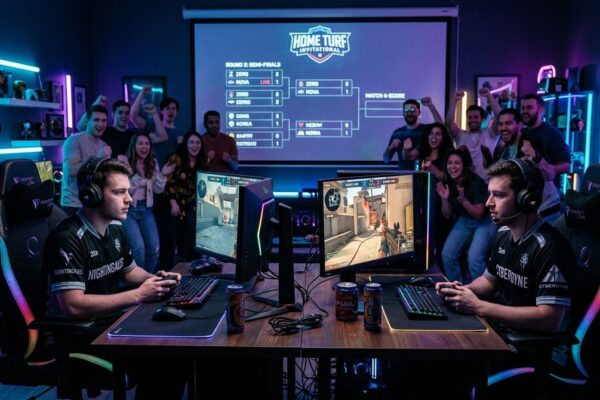
Opening a brick-and-mortar arcade, tabletop board game cafe, console lounge, or esports arena turns a lifelong passion for gaming into a vibrant neighborhood gathering hub. Yet many enthusiastic founders discover quickly that running a successful gaming venue requires far more than stocking popular consoles, rare pinball machines, or towering shelves of board games. When equipment breaks down during busy Friday nights, table turnover stalls without clear pricing rules, or tournament schedules run hours behind, enthusiastic players turn into frustrated customers who rarely return. Mastering behind-the-scenes hospitality and maintenance discipline keeps gaming venues thriving, profitable, and welcoming.
Great gaming venues balance playful atmosphere with crisp operational systems, spotless hardware, and attentive staff who make newcomers feel comfortable right at the door. Looking closely at common operational blind spots helps venue owners build beloved community spaces that generate steady repeat visits.
Letting Broken Controllers, Sticky Buttons, and Outdated Patches Pile Up
Nothing ruins a paid gaming session faster than sitting down at a station only to discover a drifting analog stick, dead wireless headset battery, jammed arcade coin mechanism, or a ninety-minute software update blocking game launch. In high-traffic lounges, controllers and tabletop components take heavy daily wear, making casual once-a-month checks completely inadequate. Implementing a structured daily opening and closing hardware inspection—testing buttons, wiping screens and tabletops, charging spare battery packs, and running overnight console updates—keeps every station ready for immediate play.
Keeping a stocked repair drawer with replacement thumbsticks, spare cables, extra dice, card sleeves, and basic cleaning supplies allows staff to swap faulty gear in thirty seconds without disrupting customer sessions. Readers may also want to visit Internet Chicks Worth. Players eagerly return to venues known for crisp, responsive, spotless equipment.
Operating Without Clear Table Turnover, Time Limits, or Fair Pricing Models
Allowing small groups to occupy prime weekend tables for five hours while sharing a single soda and playing free library games quietly destroys venue revenue during peak Friday and Saturday rushes. Without transparent cover charges, hourly station rates, or minimum refreshment policies posted clearly at the entrance, staff face awkward confrontations when asking lingering guests to wrap up for waiting reservations. Setting simple, fair time-pass pricing—paired with friendly fifteen-minute wrap-up reminders—keeps table flow predictable while rewarding regulars with affordable weekday membership tiers.
Overcomplicating point-of-sale menus with dozens of confusing hourly bundles, token tiers, and tournament add-ons also slows down front-desk check-in lines when groups arrive together. You can also visit itvnews24.com for more reading. Clear, welcoming signage removes ambiguity for first-time visitors immediately.
Neglecting Beginner-Friendly Onboarding and Inclusive Venue Atmosphere
Assuming every visitor already knows complex tabletop rules, fighting-game frame data, or tournament registration brackets intimidates casual families and newcomers who want to try gaming out with friends. Training staff to recommend accessible ten-minute starter games, explain basic controls warmly, and keep aisles bright, clean, and odor-free transforms niche clubhouses into welcoming community destinations.
Poor acoustic control and cramped seating layouts create another subtle barrier to repeat visits in active gaming lounges. For a related read on this site, see A Simple Home Routine for Caring for Indoor Plants Together. Comfortable seating and balanced sound levels encourage guests to stay longer and order extra snacks and drinks.
Running Tournaments Without Strict Bracket Timers or Setup Buffers
Hosting local esports or card tournaments without clear check-in cutoffs, match time limits, and dedicated warm-up stations routinely pushes finals past midnight and exhausts both players and staff. Enforcing published bracket schedules and assigning one dedicated tournament referee keeps competitive events crisp, fair, and exciting for spectators.
Ignoring Food and Beverage Margins Alongside Game Operations
Treating snacks and drinks as minor afterthoughts rather than core high-margin revenue misses the easiest financial stabilizer in gaming hospitality. Offering clean, easy-to-eat finger foods, specialty non-alcoholic drinks, and fast table service boosts per-guest spending dramatically while keeping controllers grease-free.
Building a Gaming Venue Players Call Their Second Home
Sustaining a profitable gaming lounge or arcade relies on spotless hardware maintenance, transparent pricing, warm hospitality for beginners, and disciplined event pacing. By testing equipment daily, managing table flow fairly, creating comfortable acoustics, and pairing great games with easy refreshments, owners turn casual visitors into loyal community regulars. Thoughtful operations keep the energy high every night of the week.