Entrepreneurship
How to Practice Mindful Movement to Counter Daily Strain
By Bill
November 6, 2026
Field Notes
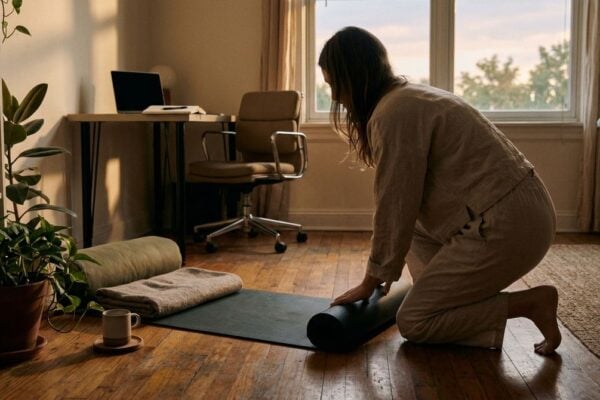
Modern daily life often demands that our bodies remain in stationary postures for hours. Whether commuting in the morning or seated at a desk in the afternoon, prolonged stillness slowly takes a toll on physical comfort. Subtle tension accumulates in the neck, back, and hips, leaving many people feeling drained before their day ends.
Mindful movement offers a practical solution that requires no dramatic schedule shifts or grueling workouts. Instead of viewing exercise solely as an intense gym session, this gentle approach treats movement as an ongoing check-in with your body. By noticing your posture, breathing with awareness, and taking brief physical pauses, you can restore physical ease and sustain natural energy.
Recognizing the Subtle Signs of Everyday Tension
Physical strain rarely appears all at once. Usually, it begins as a slight tightening in the neck, mild wrist stiffness, or an unconscious hunching of the shoulders during deep concentration. Because these changes develop gradually, they are easy to overlook until they interfere with relaxation or sleep. Noticing these quiet cues early allows you to intervene before stiffness becomes a stubborn habit.
One major contributor to fatigue is static loading, which happens when muscles stay contracted in an unchanging position. When joints remain still, circulation slows and connective tissues stiffen. Learning to notice when your body feels restricted is the first step toward lasting ease. If you already practice How to Build a Sustainable Home Fitness and Wellness Routine, pairing regular exercise with daily mobility provides a welcome counterweight to long stretches of sitting.
Integrating Practical Micro-Breaks into Your Schedule
You do not need a full hour to undo the stagnation caused by sitting. Brief adjustments repeated throughout the day often provide greater comfort than an isolated workout. Taking a few moments between tasks to step away from your desk, adjust your gaze, and mobilize major joints relieves physical pressure and refreshes your mental clarity.
These short movement breaks should feel natural, effortless, and accessible in any room. The goal is never to exhaust your muscles, but to guide your joints through their comfortable range of motion. A simple mid-day reset can include a few practical actions:
- Gentle chin retractions and shoulder rolls to ease upper back stiffness
- Standing hip flexor stretches to open the hips after long sitting
- Seated spinal twists coordinated with slow, steady breaths
- Ankle circles and calf raises to encourage lower body circulation
Performing these actions with patience transforms them into meaningful mental pauses. Inhaling deeply while opening the chest or rotating the torso encourages your nervous system to downshift, helping you return to your responsibilities with calmer focus and renewed physical ease.
Cultivating Alignment and Focus Through Structured Sessions
While brief breaks address immediate stiffness, setting aside dedicated time for structured movement deepens physical awareness. Practices that emphasize deliberate pacing, postural alignment, and controlled effort teach you how different muscle groups interact, helping you maintain balanced posture naturally throughout ordinary daily tasks.
Dedicated movement disciplines, whether practiced in a local studio or on a living room rug, offer a reliable framework for building physical balance. The helpful articles at bikramyogales.com highlight how structured sequences, intentional breathing, and warm environments work together to untangle deep muscular tension. Practicing deliberate postures without clenching your jaw or shoulders trains your nervous system to stay relaxed even when physical effort is required.
During these focused practices, breath acts as your primary guide. When breathing becomes hurried, it usually indicates that your body is pushing past its comfortable edge. Slowing down and matching each posture with smooth inhalations teaches you to move with grace rather than force, building resilience that endures throughout the day.
Broadening Your Approach to Daily Vitality and Joy
Physical mobility functions best when supported by a broad approach to personal health. The choices you make around hydration, screen downtime, restorative sleep, and wholesome nutrition all shape how your muscles feel and how much vitality you experience. When wellness feels like an inviting exploration rather than a rigid chore, staying active becomes genuinely enjoyable.
Nourishing your daily routine also involves discovering fresh, practical insights that inspire you to care for yourself well. Reading lifestyle resources such as wnyhealthshow.com offers accessible ideas for staying active, supporting your well-being, and cultivating personal happiness. Exploring varied perspectives on health reminds you that sustainable living comes from small, positive choices repeated with kindness toward yourself.
When you feel mentally energized by supportive ideas, making time for personal well-being feels natural. You begin to step outside for fresh air, drink water throughout the morning, and pause when your shoulders feel tense. Physical comfort is sustained by an inquisitive mindset that treats daily balance as an essential personal value.
Unwinding with a Restorative Evening Floor Routine
The way you conclude your evening determines how effectively your body recovers before morning arrives. After hours spent handling mental pressures, gravity, and digital stimulation, your muscles need an unmistakable cue that the active day is done. An unhurried evening mobility sequence invites your body to soften and let go of accumulated tension.
A restorative evening routine requires very little effort or space. Resting quietly on a rug with your legs up against a wall helps relieve gravitational pooling in the feet and decompresses the lower spine. Gentle child poses, supported folds, or slow reclining twists allow tight hips and shoulders to release without elevating your heart rate.
Combine this physical unwinding with dimmed lighting and a quiet environment. Taking slow, deep breaths while letting your weight sink into the floor signals to your mind that active tasks can wait until tomorrow. This peaceful transition prepares you for deep, uninterrupted sleep and helps you wake up feeling replenished.
Building a Consistent Habit That Lasts Across Seasons
The long-term value of mindful movement comes from gentle repetition rather than dramatic effort. Taking a few brief moments for mindful stretching every day creates far more lasting comfort than an exhaustive, irregular session once in a while. When small movements blend seamlessly into your ordinary habits, staying limber no longer feels like a burden on your calendar.
Listen to your body with patience and honest curiosity. Some mornings your joints will feel mobile and free, while on other days fatigue may leave your muscles feeling tight and slow. Respecting these daily variations ensures that your movement practice remains a source of renewal that adapts to your changing needs.
Treating movement as a daily act of restoration provides a steady shield against the physical stresses of modern routines. Brief daytime breaks, intentional breathing, and calming evening releases work together to keep your body supple and your mind grounded. Embracing this attentive way of moving allows you to navigate every day with greater comfort, poise, and genuine ease.