Entrepreneurship
How to Balance Rideshares, Transit, and Personal Car Use
By Bill
November 12, 2026
Field Notes
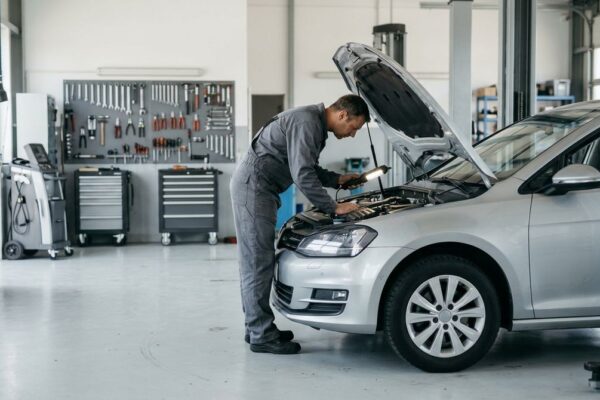
Many households reach a point where keeping multiple vehicles feels more burdensome than helpful. Between parking constraints, regular maintenance appointments, and seasonal care, vehicle ownership often demands considerable mental energy. At the same time, giving up personal transportation entirely can feel impractical for families who balance work commutes, school drop-offs, and weekend errands.
Finding a middle ground does not require strict rules or drastic lifestyle changes. Instead, combining private car use with occasional rides, taxi services, and public transit can create a smooth, stress-free routine. When you balance these options thoughtfully, you gain flexibility while reducing the time spent managing mechanical upkeep and daily logistics.
Mapping Your Regular Travel Habits and Routine Gaps
The first step in balancing your transportation is looking closely at how you actually travel during a typical month. Daily routines often fall into predictable patterns, such as morning school runs, midday grocery pickups, or evening social outings. However, occasional trips, such as airport runs, late-night dinners, or cross-town medical appointments, often create the most friction when relying solely on one method.
Take a notebook or a simple digital notepad and jot down your recurring destinations alongside the transport method you instinctively choose. Notice where delays, parking frustrations, or scheduling conflicts arise most frequently between family members. Identifying these specific friction points allows you to choose alternatives deliberately rather than scrambling for a solution at the last minute.
When you know which trips cause unnecessary strain, you can assign them to specialized travel solutions. For instance, an early morning trip to a regional transit hub or an airport may be far easier to handle through an on-demand driver than by paying for long-term parking or rearranging everyone’s morning schedule.
Deciding When Professional Ride Services Make Sense
Hiring a driver or scheduling a taxi is often viewed purely as an emergency backup or a luxury, but using these services strategically can simplify a busy week. In dense urban areas or busy downtown entertainment districts, circling blocks for parking or navigating tight parking garages often consumes more time than the event itself. Opting for a professional ride eliminates the search for parking and allows passengers to arrive relaxed.
Professional transport options can also bridge the gap when one family car is temporarily unavailable or when household members need to travel in opposite directions at the same hour. Exploring dedicated reviews on modern vehicle fleets, dispatch reliability, and premium cab options through Taxi-bmw.com can help you understand which ride services best match your comfort expectations and travel schedule. Knowing your regional options beforehand makes it easy to schedule dependable rides for important events or late arrivals.
Relying on scheduled rides for specific occasions also protects your primary vehicle from unnecessary wear. High-congestion city driving and frequent short stops put heavy stress on brakes and engines. Delegating those specific trips to experienced transit providers preserves your own vehicle for the open highway and daily suburban errands where personal cars excel.
Evaluating Vehicle Reliability and Maintenance Options
If you decide to maintain one dependable vehicle while supplementing other trips with external transit, keeping that primary car in prime condition becomes essential. An aging car that breaks down unexpectedly disrupts the entire household schedule, especially when alternative transport must be organized on short notice. Regularly monitoring fluid levels, tire tread depth, and battery health ensures that your core vehicle remains dependable when you need it most.
When shopping for a reliable replacement or researching trusted automotive maintenance resources, staying informed about industry standards and service providers is essential. Browsing comprehensive listings and automotive service directories on motogprem.com provides valuable insight into emerging vehicle models, available service networks, and practical ownership support. Having reliable automotive resources at hand simplifies the process of finding qualified technicians and understanding modern vehicle capabilities.
For drivers considering pre-owned vehicles to fit a simpler household transport model, careful inspection is key to avoiding hidden maintenance headaches. Exterior hardware, cargo racks, and mounting systems often reveal how previous owners handled and stored the vehicle. Our detailed walkthrough on How to Inspect a Used Car’s Roof Rails Without Climbing offers practical tips for assessing mounting condition from ground level before making any purchasing commitment. Ensuring every component is sound gives you confidence that your vehicle can carry cargo, sports gear, and daily necessities without unexpected repairs.
Creating a Practical Weekly Transit Routine
A blended transportation lifestyle works best when every household member understands the basic weekly workflow. Rather than making spontaneous choices every morning, planning your transit choices a few days in advance eliminates decision fatigue. Quiet weekend mornings or calm evenings provide an ideal moment to look over upcoming appointments and allocate vehicles, transit passes, or rideshare apps accordingly.
To keep your transport strategy organized and easy to execute, consider establishing a set of basic household guidelines:
- Assign the primary personal vehicle to trips requiring multi-stop errands, heavy grocery hauling, or destinations far from public transit routes.
- Reserve regional train, subway, or bus routes for predictable daily commutes where parking fees and rush-hour bottlenecks are common.
- Schedule professional ride services or taxis for late-night social gatherings, medical visits, or early departures to travel terminals.
- Keep an emergency transit kit in your daily bag, including a charged power bank, a reloadable transit card, and active ride app accounts.
Having clear ground rules ensures that no single household member feels stranded or inconvenienced. It also encourages everyone to view public transit and professional drivers as normal, convenient tools rather than last-resort alternatives.
Adapting Your Travel Plan for Weather and Seasonal Shifts
No transportation plan remains static throughout the entire year. Weather patterns, holiday schedules, and seasonal activities all influence which transit modes feel comfortable and sensible. Walking to a bus stop or train station might be refreshing during mild autumn afternoons, but heavy rain or winter slush can quickly turn a short walk into a frustrating ordeal.
During colder or wetter months, shifting more trips to your personal vehicle or scheduling door-to-door rides keeps daily travel comfortable. Conversely, warm weather often opens opportunities to leave the car parked, take advantage of walkable neighborhood amenities, and avoid summer traffic snarls. Staying mindful of upcoming seasonal weather shifts allows you to adjust your transit habits before disruptions occur.
Seasonal changes also bring shifting maintenance demands for your vehicle. Checking windshield wipers, wiper fluid freeze ratings, and tire inflation levels ahead of changing seasons ensures your car is always ready when public transit or rideshare options experience seasonal delays. Maintaining flexibility across all available travel modes ensures that you remain mobile and calm regardless of what the forecast brings.
Bringing Balance to Your Everyday Travel
Designing a balanced transportation plan is not about giving up personal freedom or committing rigidly to a single method. By pairing a well-maintained primary vehicle with reliable public transit and professional ride services, you create an adaptable lifestyle that accommodates work, family, and leisure with ease. Taking small, deliberate steps to evaluate your travel habits today helps you build a dependable travel routine that serves you smoothly for seasons to come.