Entrepreneurship
How to Balance Motorcycle and Car Travel for Daily Life
By Bill
November 11, 2026
Field Notes
Many households discover that relying entirely on a single vehicle does not always fit the rhythm of a busy week. Commutes can be crowded, quick errands require nimble travel, and weekend grocery runs demand trunk capacity that two wheels simply cannot provide. Learning to alternate between a motorcycle and an everyday automobile creates a practical balance that honors both convenience and utility.
When you divide your transportation duties intentionally, each vehicle serves the role it handles best. Riding offers an engaging commute and easy maneuverability during dense traffic hours, while driving provides comfortable shelter during severe storms and effortless cargo carrying. Building a steady routine around both options keeps your daily travel calm and organized.
Assessing Your Routine and Cargo Demands
The first step in managing a two-vehicle household is recognizing which trips genuinely benefit from two wheels and which require four. Daily travel usually falls into clear categories based on distance, cargo size, and passenger needs. A morning commute with only a laptop sleeve is an ideal candidate for riding, whereas carrying bulky project supplies or picking up family members calls for the car.
When exploring two-wheel options that fit your daily commute, taking the time to consult motorcycle resources like martin-bike.com can help you evaluate what style of bike aligns best with your riding posture and personal comfort. Choosing the right frame and seating position ensures you arrive at your destination refreshed rather than stiff from an aggressive stance.
Cargo management requires honest planning before you walk out the front door. Saddlebags, a secure tail pack, or a well-fitted commuter backpack can easily accommodate a lunch container, an extra layer of clothing, and small personal essentials. If an errand list expands to include fragile goods or oversized parcels, swapping your keys for the car prevents awkward loading that could compromise your balance on the road.
Creating an Organized Garage and Gear Area
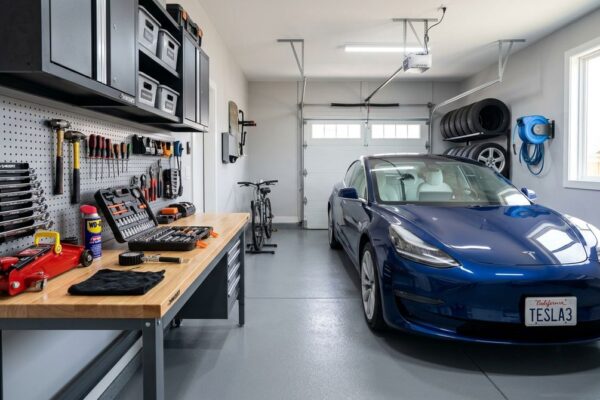
A smooth transition between riding and driving starts in your garage or parking area. If your motorcycle is buried behind storage bins or parked so tightly against the car that moving either vehicle requires a multi-step shuffle, you will naturally default to whichever is easiest to reach. Arrange your parking layout so that both vehicles have an unobstructed exit path.
Riding demands specialized protective apparel, and searching for mismatched items quickly adds unnecessary friction to your morning departure. Establishing a dedicated gear staging zone near your entry door keeps everything ready for immediate use. When your gear has a permanent home, gearing up feels like a brief, calming ritual rather than a frantic hunt for misplaced gloves.
Setting up this staging zone does not require elaborate cabinetry or expensive hardware. A few simple organizing habits will keep your equipment clean, aired out, and ready for your next commute:
- Hang riding jackets on broad, heavy hangers to maintain the shape of shoulder and elbow pads.
- Place helmets on an open, level shelf away from foot traffic and direct heating vents.
- Keep gloves, neck gaiters, and ear protection together in a breathable wire basket.
- Position boots on a ventilated floor mat to allow soles and linings to dry thoroughly.
Having your gear arranged this cleanly saves precious minutes every morning. It also ensures that you never feel tempted to leave essential safety layers behind simply because you were running behind schedule.
Establishing Regular Vehicle Maintenance Habits
Maintaining two distinct machines requires a proactive mindset, as motorcycles and passenger cars place different demands on their components. Motorcycles have exposed drivetrains that need frequent observation, chain lubrication, and close monitoring of tire wear. Cars, by comparison, protect their vital parts within enclosed engine bays and operate under longer intervals between basic checks.
For four-wheel vehicles, regular inspections of fluid levels, battery health, and tire pressure will keep sudden surprises away from your morning commute. If you want a structured checklist for that routine, reviewing our previous advice on How to Keep an Everyday Commuter Car Running Dependably provides practical steps to avoid preventable mechanical headaches.
Keeping your automobile in top condition requires staying current on parts, routine diagnostics, and ownership tips. Reading guides on automotive portals such as antechauto.com gives you a clearer view of vehicle upkeep, repair decisions, and practical steps for managing automobile costs.
For your motorcycle, developing a rapid pre-ride check becomes second nature after a short period of practice. Taking a quick walk around the bike to verify tire pressure, check brake lever resistance, and inspect the chain slack takes only a couple of minutes. Catching a low tire or a loose mirror in your driveway is far simpler than dealing with an issue on a busy roadway.
Navigating Weather Shifts and Route Conditions
Weather plays the decisive role when deciding between two wheels and four. While dedicated riders often invest in waterproof textiles and heated grips, pushing through extreme rain, icy patches, or relentless heat can drain your focus and energy. Having a dependable car waiting in the driveway allows you to choose safety and comfort without hesitation.
Checking local forecasts the evening before your commute lets you make your vehicle decision early. If thunderstorms or gusty winds are predicted during your return commute, designating that day as a car day eliminates stress before you even go to sleep. Morning decisions made in a hurry often lead to poor gear choices or rushed departures.
Route selection should also shift depending on what you are operating. A motorcycle excels on flowing parkways and scenic bypasses where consistent movement keeps engine temperatures moderate and the ride enjoyable. Cars, on the other hand, provide an insulated environment that handles gridlock, highway lane closures, and sudden detour delays with far less physical fatigue.
Balancing Ownership and Operating Routines
Balancing two vehicles also involves keeping administrative and operational routines organized. Both machines need current registration, active insurance policies, and scheduled battery care. When a motorcycle sits unused during prolonged stretches of wet weather, connecting a small battery tender keeps the electrical system fully charged and prevents sluggish morning cranks.
Fuel management can easily catch drivers off guard when juggling two fuel tanks. Because motorcycle tanks hold modest fuel volumes, getting into the habit of topping off when the gauge drops near half prevents unexpected detours when you are on a tight timeline. Similarly, keeping your car tank adequately filled ensures it is always prepared as an immediate backup if morning rain derails your riding plans.
Integrating both a motorcycle and an automobile into your weekly routine provides the flexibility to match your ride to the day ahead. By paying attention to maintenance, organizing your storage space, and making sensible weather choices, you can enjoy the distinctive pleasures of riding while preserving the practical comfort of your everyday car.